Hong Kong commercial landlords may bet on investment to curb tenant loss from AI: analysts
Older Hong Kong offices may lose tenants as AI adoption pushes firms toward newer buildings. Analysts say landlords may need to refurbish or convert assets to stay competitive.
Intelligence analysis by GPT-5.4 Mini
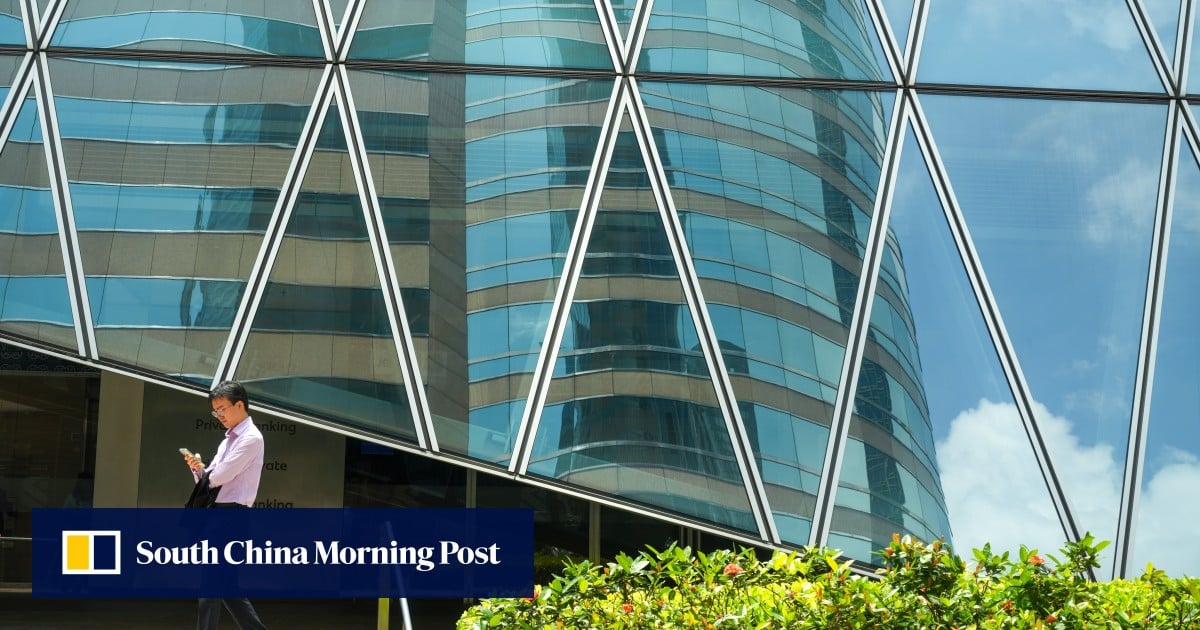
Knight Frank says wider AI use could accelerate a split in Hong Kong's office market, with older buildings at risk of losing tenants to newer, better-equipped spaces. The fix may require landlords to spend on upgrades or repurpose properties for other uses.
AI is making companies want offices that work better, like a house needing stronger wiring for more appliances. In Hong Kong, older office buildings may need repairs or new uses, or tenants may leave for newer places.
Analysis
Pressure on older offices
Hong Kong’s commercial landlords may need to invest more heavily in their buildings as firms adopt AI and look for offices that can better support new technology needs, according to Knight Frank. Lee Elliott, the consultancy’s global head of occupier research, said buildings will need stronger energy resilience, reliable energy supply, better connectivity, and more technological infrastructure to meet the standard expected in an AI-driven workplace.
The article says this shift could make life harder for owners of older office stock. As companies move toward newer buildings that better fit their requirements, landlords with ageing assets may face tenant losses unless they refurbish or convert properties for new uses.
The scale of the challenge appears significant. Knight Frank cites official data showing that nearly two-thirds of private offices in Hong Kong will be more than 30 years old by 2030. The piece also points to a separate estimate from JLL last year, which said about a fifth of Hong Kong’s ageing buildings could face obsolescence because of falling value and efficiency.
Taken together, the story frames AI as a force that is changing workplace expectations in Hong Kong’s property market. The article does not say landlords are already making those changes widely, but it suggests that adaptation may become necessary if they want to keep buildings competitive.
Key points
- AI adoption may push Hong Kong firms toward newer offices with better technical infrastructure.
- Knight Frank says landlords may need to refurbish or convert older commercial buildings.
- Lee Elliott said buildings will need energy resilience, energy supply, connectivity, and technological infrastructure.
- Nearly two-thirds of private offices in Hong Kong are expected to be over 30 years old by 2030.
- JLL estimated about a fifth of Hong Kong's ageing buildings could face obsolescence.
If landlords invest early, older buildings could become more attractive to firms that want stronger power, better internet, and modern systems for AI-heavy work. Refurbishment or conversion could also help reduce vacancy and give ageing properties a longer useful life.
If landlords do not upgrade, older offices may keep losing tenants to newer buildings that better fit company needs. Some properties could also drift toward obsolescence, with lower value and weaker efficiency making them harder to rent or sell.