Hong Kong eyes licensing for livestock in New Territories amid urban push
Hong Kong's Agriculture, Fisheries and Conservation Department proposes extending livestock licensing to the New Territories to address nuisance and hygiene issues. This move is driven by increasing urbanization and major development projects like the Northern Metropolis.
Intelligence analysis by Gemini 2.5 Flash
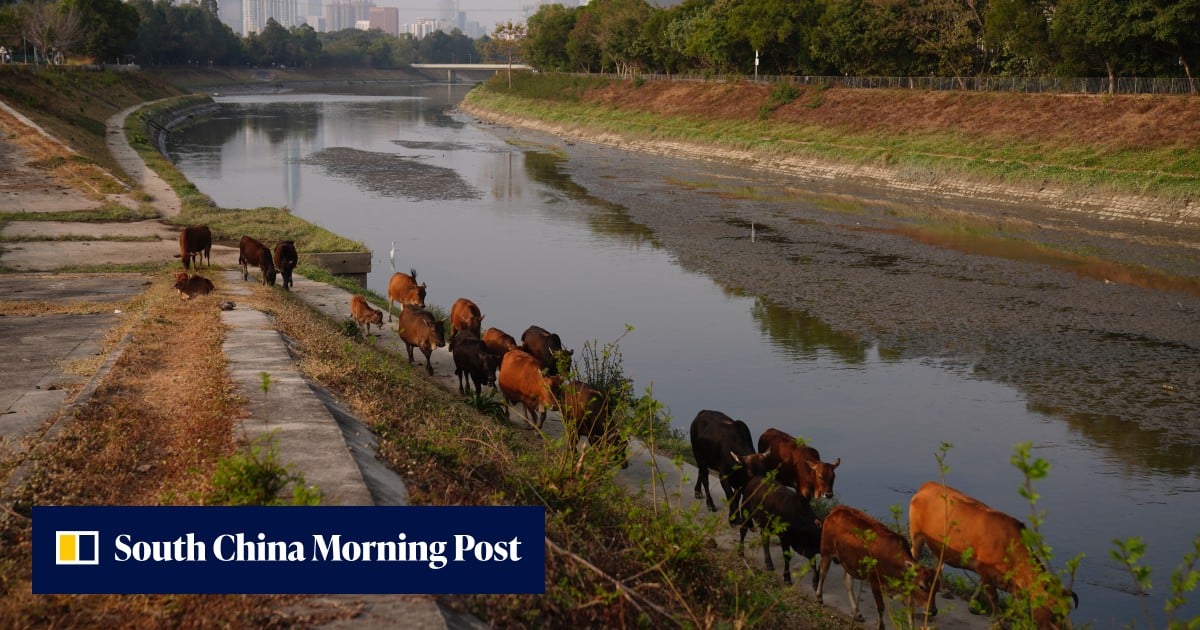
The AFCD aims to regulate the keeping of goats, sheep, and cattle across the entire city, including the New Territories, where current licensing requirements do not apply. This change is deemed necessary due to a surge in public complaints regarding environmental hygiene, nuisance, and food safety risks, exacerbated by the rapid urban expansion into traditionally rural areas.
Imagine Hong Kong is like a big city that's growing super fast, building new houses and neighborhoods even in places that used to be quiet countryside. Some people in these areas keep farm animals like goats or cows. But as more people move in, these animals can sometimes cause problems for neighbors, like making noise or leaving a mess. So, the government wants everyone who keeps these animals to get a special permission slip, just like how you need permission to have a pet in some apartments. This helps keep everyone happy and healthy as the city grows.
Analysis
The proposed extension of livestock licensing in Hong Kong marks a significant policy adjustment reflecting the city's evolving demographic and spatial landscape. Historically, the New Territories operated under different regulations compared to Kowloon and Hong Kong Island, particularly concerning animal husbandry. This distinction is increasingly untenable as urban sprawl blurs the lines between city and countryside, necessitating a unified regulatory approach to ensure public health and mitigate environmental nuisances.
New Territories
Currently, residents in the New Territories are exempt from the licensing requirements that apply to keeping goats, sheep, and cattle in other parts of Hong Kong. This historical exemption is now being challenged by the rapid urbanization of the region, which now accounts for over half of Hong Kong's total population. The Agriculture, Fisheries and Conservation Department (AFCD) argues that treating the New Territories purely as a rural area is no longer appropriate given its highly urbanized pockets and diminishing boundaries with traditional urban zones.
The department frequently receives complaints from the public regarding animal-keeping activities in the New Territories. These complaints range from general nuisance caused by grazing animals to more serious environmental hygiene issues stemming from animal waste. Furthermore, concerns about suspected illegal slaughtering and sale of goat meat have raised food safety risks, prompting the need for tighter controls to protect both public health and the environment.
Northern Metropolis
A key driver behind the proposed regulatory changes is the government's ambitious Northern Metropolis megaproject. This initiative aims to transform 30,000 hectares of land bordering mainland China into a major technology and housing hub, significantly increasing population density and urban-rural interaction in the New Territories. The scale of this development underscores the urgency for comprehensive regulations that can manage the coexistence of traditional practices and modern urban living.
The Northern Metropolis project is set to bring a substantial influx of residents and infrastructure, making the current lack of livestock regulation unsustainable. The government anticipates that without proper licensing and oversight, the existing problems of nuisance and hygiene will only intensify, potentially hindering the successful integration of new communities. The proposed licensing system is therefore a proactive measure to ensure that the rapid development proceeds without compromising public welfare.
Agriculture, Fisheries and Conservation Department
The Agriculture, Fisheries and Conservation Department (AFCD) is spearheading this regulatory reform, citing a clear need for consistency and improved public safety. The department's document, slated for discussion at the Yuen Long District Council, outlines its rationale for extending the licensing requirement citywide. This move is presented as a necessary step to modernize Hong Kong's animal management policies in line with its urban development trajectory.
The AFCD emphasizes that tighter regulation is crucial not only for addressing immediate complaints but also for preventing future issues arising from increased rural-urban interaction. By requiring licenses, the department aims to gain better oversight of livestock keeping, enforce hygiene standards, and curb illegal activities that pose risks to food safety and environmental quality. This proactive stance reflects a broader governmental effort to adapt existing frameworks to Hong Kong's evolving urban landscape.
Key points
- Hong Kong proposes extending livestock licensing to the New Territories for goats, sheep, and cattle.
- Current regulations require licenses only in Kowloon and Hong Kong Island, not the New Territories.
- The move is driven by increasing urbanization, public complaints about nuisance and hygiene, and food safety concerns.
- The government's Northern Metropolis megaproject is accelerating the need for tighter regulation.
- The Agriculture, Fisheries and Conservation Department (AFCD) is leading the initiative to unify animal-keeping rules across the city.
If successfully implemented, the new licensing system could lead to improved public hygiene and reduced nuisance complaints in the New Territories, fostering better coexistence between urban and rural communities. It could also enhance food safety by curbing illegal slaughtering, contributing to a healthier environment for all residents.
The proposed regulations might face resistance from traditional animal keepers in the New Territories, potentially leading to enforcement challenges or unintended impacts on their livelihoods. There's also a risk that the new rules could be difficult to monitor effectively across a rapidly developing and diverse region.