Hong Kong halves environmental impact review times with AI in efficiency drive
Hong Kong authorities have significantly reduced the time for environmental impact assessments (EIAs) by up to half through the adoption of artificial intelligence (AI). This is part of a broader government initiative to enhance efficiency across various public services.
Intelligence analysis by Gemini 2.5 Flash
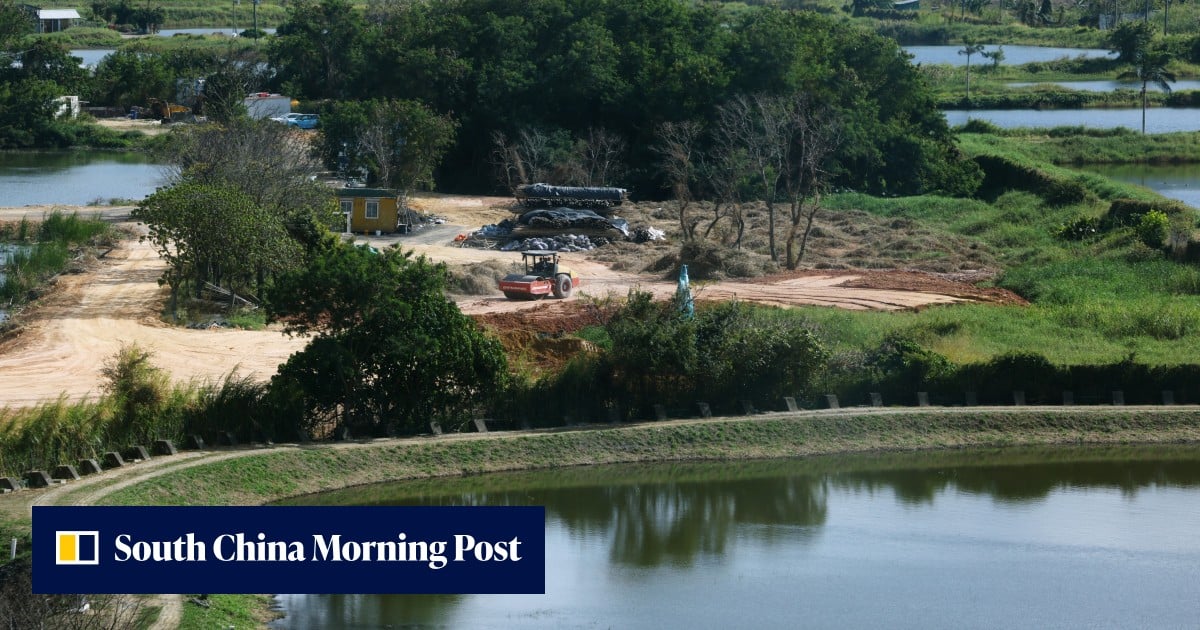
Hong Kong's government is rolling out 30 projects across 13 departments, leveraging AI and other technologies to streamline public services. A key flagship initiative involves the Environmental Protection Department using AI to cut environmental impact assessment times from up to 48 months down to 15-24 months, demonstrating a significant push for digital transformation in governance.
Imagine you want to build a big new park, but first, grown-ups need to check if it will hurt the animals or trees. This check used to take a super long time, like four years! But now, Hong Kong is using smart computer brains, called AI, to help. It's like giving the grown-ups a super-fast helper that can look at all the information much quicker. So, instead of waiting four years, they can now finish the check in about two years, making it faster to build cool new things without harming nature.
Analysis
Hong Kong's recent announcement to halve environmental impact review times using artificial intelligence marks a significant step in its digital transformation journey, particularly within public services. This initiative is part of a larger government-wide efficiency drive, demonstrating a strategic embrace of technology to streamline bureaucratic processes and improve service delivery for its citizens and businesses. The focus on environmental impact assessments (EIAs) is particularly noteworthy, given their critical role in balancing development with ecological preservation.
Environmental Impact Assessment Ordinance
The Environmental Impact Assessment Ordinance mandates a statutory procedure for evaluating and mitigating the environmental impacts of major development projects before they can proceed. This legal framework is crucial for Hong Kong's sustainable development, ensuring that large-scale infrastructure and urban planning projects consider their ecological footprint. The traditional process, often lengthy and resource-intensive, involved extensive data collection and analysis, typically spanning 36 to 48 months.
By integrating AI with technologies such as LiDAR, the Internet of Things (IoT), and advanced data analytics, the Environmental Protection Department has managed to drastically shorten this timeframe to 15 to 24 months. This acceleration not only benefits developers by reducing project lead times but also enhances the government's capacity to review more projects efficiently, potentially speeding up critical infrastructure development while maintaining environmental safeguards. The application of AI in this context represents a sophisticated approach to regulatory compliance, moving beyond manual processes to data-driven automation.
Warner Cheuk Wing-hing
Deputy Chief Secretary Warner Cheuk Wing-hing plays a pivotal role in spearheading this efficiency drive, chairing the government’s AI Efficacy Enhancement Team established in last year’s policy address. His leadership underscores the high-level commitment within the Hong Kong administration to leverage AI for public good. Cheuk's statements highlight the broader impact of AI adoption, noting reductions in processing and waiting times for some public services by up to 90 per cent, indicating a wide-ranging positive effect beyond just environmental assessments.
His team's mandate extends to identifying and implementing high-impact flagship initiatives, with the EIA streamlining being a prime example. This strategic oversight ensures that AI integration is not ad-hoc but part of a coordinated, top-down effort to modernize government operations. The emphasis on measurable outcomes, such as reduced processing times, reflects a results-oriented approach to technological adoption, aiming for tangible improvements in public service delivery and operational efficiency.
30 projects
The environmental impact assessment initiative is one of the first batch of 30 projects being rolled out across 13 government departments this year and next. This comprehensive approach signifies a broad commitment to digital transformation across various sectors of public administration. Beyond environmental protection, these projects cover diverse areas such as transport and food business licensing, leisure and sports facilities, environmental hygiene, and complaint handling.
This wide scope indicates a holistic strategy to enhance government services, addressing common pain points for both citizens and businesses. By applying AI and related technologies to a multitude of administrative tasks, Hong Kong aims to create a more responsive, efficient, and user-friendly public sector. The success of these initial projects could pave the way for even broader AI integration, positioning Hong Kong as a leader in smart governance within the region.
Key points
- Hong Kong has halved environmental impact assessment (EIA) times using AI, reducing the process from 36-48 months to 15-24 months.
- This is part of a broader government initiative involving 30 projects across 13 departments to enhance public service efficiency.
- Deputy Chief Secretary Warner Cheuk Wing-hing chairs the AI Efficacy Enhancement Team, overseeing the adoption of AI and other technologies like LiDAR and IoT.
- The projects aim to reduce processing and waiting times for services such as food licensing, leisure facility bookings, and complaint handling by up to 90%.
- The Environmental Protection Department's AI integration for EIAs is one of 10 high-impact flagship initiatives being rolled out this year and next.
The adoption of AI in environmental impact assessments promises faster project approvals, potentially stimulating economic development while maintaining robust environmental protection standards. This efficiency drive could lead to improved public services across various sectors, enhancing citizen satisfaction and positioning Hong Kong as a leader in smart governance.