Hong Kong IVF clinic worker lied to cover up embryo specimen mix-up, flees city
A Hong Kong fertility clinic employee is suspected of lying to conceal an embryo specimen mix-up, subsequently fleeing the city for Malaysia and resigning from her job.
Intelligence analysis by Gemini 2.5 Flash
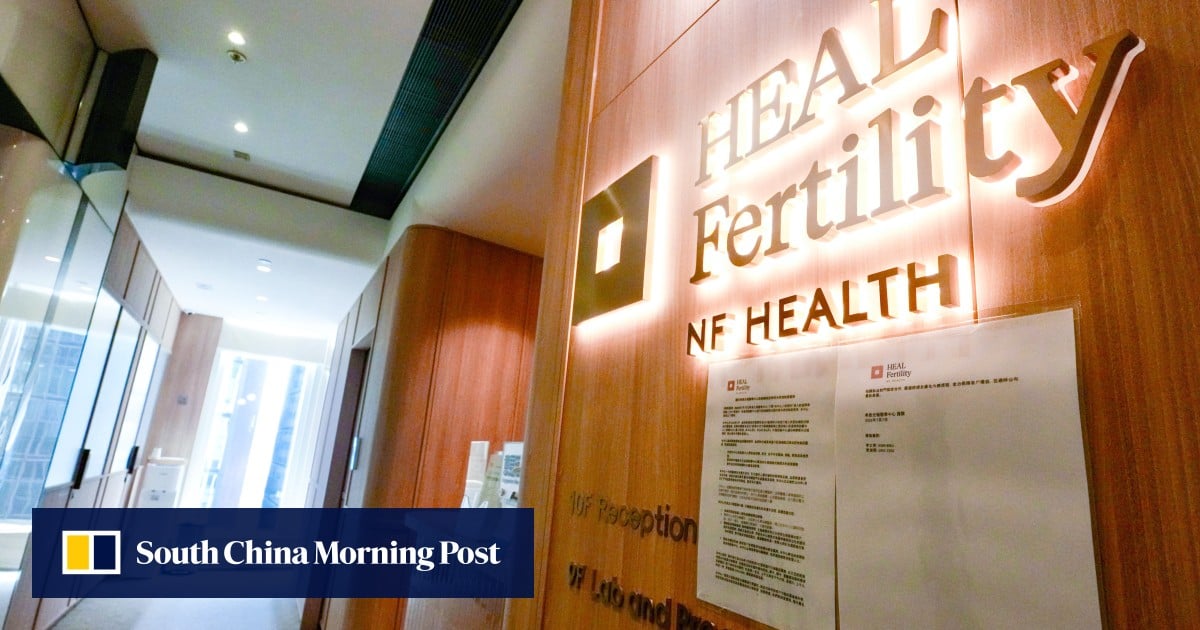
Police in Hong Kong are treating a case involving a Heal Fertility clinic worker as fraud after she allegedly made an error during embryo specimen extraction, attempted to cover it up with false statements, and then left the city. The Malaysian national is now on a wanted list, with the Organised Crime and Triad Bureau investigating the incident.
Imagine you're baking cookies, and someone accidentally swaps the sugar and salt in your recipe, then tries to hide it! That's kind of what happened at a special clinic in Hong Kong. A worker who was supposed to carefully take tiny samples from future babies (called embryos) for testing might have mixed them up. Instead of telling the truth, she supposedly lied to cover her mistake, then quickly left the city. Now, the police are looking for her because lying about such an important job is a serious problem.
Analysis
A Breach of Trust in Fertility Care
This incident at Heal Fertility in Central represents a profound breach of trust within the highly sensitive field of in-vitro fertilisation (IVF). The employee, responsible for extracting biopsy specimens from embryos for genetic testing, allegedly made a critical error, leading to a mix-up of these vital samples. For couples undergoing IVF, embryos represent their hopes for a family, involving significant emotional, physical, and financial investment. Any error, especially one involving specimen integrity, can have devastating consequences, potentially leading to incorrect diagnoses, miscarriages, or even the implantation of an incorrect embryo, though the article does not specify the exact impact of this particular mix-up. The alleged attempt to cover up the mistake with false statements further compounds the ethical and professional failings.
The Investigation and Flight
The police investigation quickly escalated, with the case being classified as fraud and referred to the Organised Crime and Triad Bureau, indicating the serious nature with which authorities view the deception. The Malaysian worker was interviewed under caution in late July, but swiftly departed Hong Kong the following day, subsequently resigning from her position. Her flight to Malaysia and subsequent placement on a wanted list by Hong Kong police underscore the gravity of the allegations and the legal repercussions she now faces. This rapid sequence of events suggests a deliberate attempt to evade accountability, further damaging the reputation of the individual and potentially the clinic involved.
Implications for Healthcare Oversight
The incident raises significant questions about internal protocols, quality control, and staff supervision within private fertility clinics in Hong Kong. The sensitivity of IVF procedures demands the highest standards of accuracy and integrity, and a single error, particularly one involving a cover-up, can severely erode public confidence. This case may prompt increased scrutiny from regulatory bodies on how such clinics manage critical processes, handle errors, and ensure the ethical conduct of their staff. It serves as a stark reminder of the vulnerability of patients in complex medical procedures and the imperative for robust oversight to safeguard their interests and maintain the credibility of the healthcare system.
Key points
- A Hong Kong fertility clinic worker is suspected of lying to cover up an embryo specimen mix-up.
- The employee worked at Heal Fertility in Central and was responsible for extracting specimens for genetic testing.
- After being interviewed by police, the Malaysian worker fled Hong Kong to Malaysia and resigned.
- Police are treating the incident as a fraud case and have placed the worker on a wanted list.
- The Organised Crime and Triad Bureau is investigating the matter, which is believed to be unrelated to embryo trafficking.
The incident could severely damage public trust in Hong Kong's private fertility clinics, leading to increased anxiety for prospective parents and potentially deterring individuals from seeking necessary treatments. The clinic involved may face significant reputational harm and legal challenges, while the broader healthcare sector could face calls for more stringent regulations and oversight to prevent similar occurrences.