Hong Kong policy address to continue push helping local media go global
Hong Kong's Chief Executive John Lee will continue supporting local media outlets to expand globally, particularly within Belt and Road Initiative countries, as part of his upcoming policy address.
Intelligence analysis by Gemini 2.5 Flash
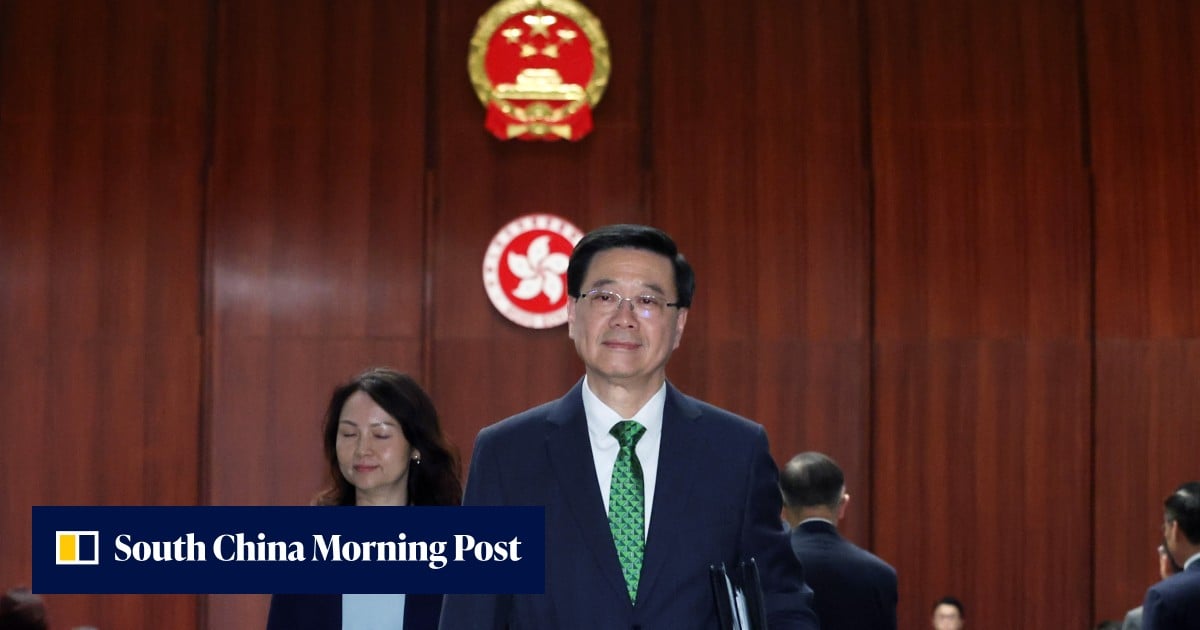
The Hong Kong government is reiterating its commitment to help local Chinese and English news organizations build international networks, aiming to share "good Hong Kong stories" and extend their reach, especially to nations involved in the Belt and Road Initiative, without interfering with their operations.
The Hong Kong government wants to help its news channels share stories with people all over the world, especially in countries that are part of a big building project called the "Belt and Road." It's like helping local TV stations become global channels so more people can hear about Hong Kong.
Analysis
The Hong Kong government's renewed commitment to assisting local media in expanding their global reach, as revealed ahead of Chief Executive John Lee Ka-chiu's upcoming policy address, underscores a strategic effort to shape international perceptions and strengthen cultural ties. This initiative, now in its second consecutive year, aims to empower both Chinese and English language news outlets to disseminate "good Hong Kong stories" to a broader audience, particularly within the vast network of countries participating in China's Belt and Road Initiative. The emphasis on global expansion suggests a proactive approach to public diplomacy, seeking to counter potentially negative narratives and present a unified vision of Hong Kong's role and development on the world stage. This move aligns with broader Chinese efforts to enhance its soft power and influence through media channels.
Chief Executive John Lee
Chief Executive John Lee Ka-chiu is continuing a key initiative from his previous policy address, focusing on the internationalization of Hong Kong's media landscape. This sustained push highlights the administration's view of media as a crucial tool for external communication and relationship building. By supporting local news companies, Lee's government aims to leverage their reporting capabilities to project Hong Kong's narrative globally.
The initiative is designed to help these outlets build robust international networks, enabling them to reach readers far beyond the city's borders. This strategic direction reflects a desire to ensure that Hong Kong's perspective is heard directly in various international forums and communities. The government's role is framed as facilitative, providing the necessary support for media organizations to overcome barriers to global expansion.
Belt and Road Initiative
A significant aspect of this "go global" strategy is its explicit connection to the Belt and Road Initiative (BRI). The article notes that the industry could offer media services particularly in countries under the BRI umbrella, indicating a targeted approach to engagement. This linkage suggests that the media expansion is not merely about general international outreach but is strategically aligned with China's overarching geopolitical and economic framework.
By focusing on BRI nations, Hong Kong aims to foster closer cultural and informational exchanges with these key partners. This could involve reporting on collaborative projects, economic opportunities, and cultural ties, thereby reinforcing the narrative of mutual benefit and cooperation central to the BRI. The initiative positions Hong Kong media as a conduit for information flow within this extensive global network.
Non-Interference Pledge
Crucially, the Chief Executive's initiative includes a pledge that it will not involve any interference with media operations. This assurance, reiterated from last year's policy address, seeks to address potential concerns about government influence over editorial content. In a city where media freedom has been a sensitive topic, this commitment is vital for maintaining the credibility and independence of the news outlets involved.
The government's stated intention is to assist, not control, the media's expansion efforts. This distinction is important for both local and international audiences, as it aims to present the initiative as a supportive measure rather than a directive. The success of the "go global" push will likely depend on how effectively this non-interference pledge is perceived and upheld in practice, ensuring that the "good Hong Kong stories" are seen as authentically reported.
Key points
- Hong Kong's Chief Executive John Lee will continue supporting local media's global expansion.
- The initiative aims to help Chinese and English news outlets reach international audiences.
- Focus will be on countries under the Belt and Road Initiative.
- This marks the second consecutive year for such support in the policy address.
- The government pledges no interference with media operations.
The initiative could significantly boost the international presence and influence of Hong Kong media, fostering greater understanding of the city's unique position and narratives globally, especially in emerging markets. This could lead to enhanced cultural and economic ties with Belt and Road countries.
Concerns about potential government influence, despite pledges of non-interference, could undermine the credibility of Hong Kong media abroad, leading to skepticism about the "good Hong Kong stories" being promoted. This might hinder rather than help the goal of building trust and positive international perceptions.