Hong Kong’s Chinese medicine hospital to launch stroke, back pain programmes next week
Hong Kong's Chinese Medicine Hospital is set to launch new treatment programs for stroke and lower back pain next week, part of a broader five-year plan to integrate traditional Chinese medicine (TCM) into the city's healthcare system.
Intelligence analysis by Gemini 2.5 Flash
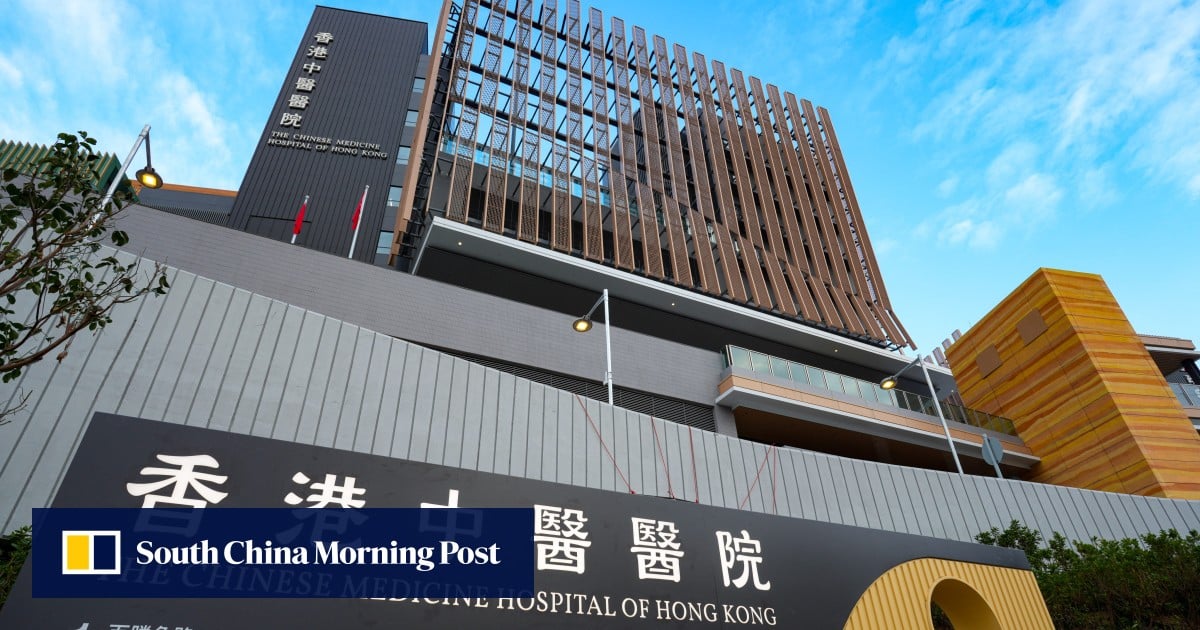
The Chinese Medicine Hospital of Hong Kong will introduce specialized programs for stroke and lower back pain, leveraging the perceived advantages of traditional Chinese medicine. These are the first of 23 disease-specific programs planned over five years, aiming to meet patient demand and promote a multidisciplinary approach combining Chinese and Western medical practices.
Imagine your body is like a complicated machine, and sometimes parts of it, like your back or your brain after a bump, need fixing. Hong Kong is opening special programs at a hospital that uses old Chinese ways of healing, like special herbs and massages, to help people with these problems. They're even mixing these old ways with modern doctor treatments, like having two different kinds of mechanics work on the same machine, to make sure you get the best fix possible. They're starting with two big problems, but plan to help with many more over the next few years!
Analysis
Expanding TCM's Clinical Reach
The Chinese Medicine Hospital of Hong Kong is embarking on a significant expansion of its services, beginning with specialized programs for stroke and lower back pain. These initial offerings, set to launch next week, are foundational to a larger strategic plan that will see 23 disease-specific programs rolled out over the next five years. The hospital's chief executive, Bian Zhaoxiang, highlighted the strong demand for these treatments and the perceived clinical advantages of traditional Chinese medicine (TCM) in these areas. This move is not merely about offering new services but about strategically positioning TCM as a viable and effective component of modern healthcare in Hong Kong.
A Strategic Blend of East and West
A core tenet of this initiative is the adoption of a multidisciplinary approach, integrating both Chinese and Western medicine. Bian Zhaoxiang emphasized that this combined methodology has shown promise in achieving better treatment outcomes for patients. This integration reflects a broader trend in healthcare, particularly in regions with rich traditions of indigenous medicine, to harness the strengths of different medical philosophies. For Hong Kong, it represents an effort to bridge the gap between conventional Western medical practices and the long-standing traditions of TCM, aiming to provide a more holistic and potentially more effective care model for its population. The hospital's capacity is reportedly sufficient to meet initial demand, with flexibility for adjustments.
Future Trajectory for Hong Kong's Healthcare
Beyond stroke and back pain, the hospital plans to introduce ten more programs this year, covering diverse areas such as fertility treatment and developmental delays, with the remaining programs to follow over the subsequent four years. This phased rollout underscores a methodical approach to integrating TCM into the broader healthcare landscape. The success of these programs could significantly influence public perception and policy regarding TCM, potentially leading to greater acceptance and funding. It also positions Hong Kong as a leader in exploring and implementing integrated medical solutions, offering valuable insights for other regions considering similar healthcare reforms and the strategic promotion of traditional medical practices.
Key points
- Hong Kong’s Chinese Medicine Hospital will launch stroke and lower back pain treatment programs next week.
- These are the first two of 23 specialized disease programs planned for rollout over the next five years.
- The initiative aims to meet patient demand and promote the competitive advantages of traditional Chinese medicine (TCM).
- A multidisciplinary approach integrating Chinese and Western medicine is central to these programs for better outcomes.
- Ten additional programs, including fertility and developmental delay treatments, are slated for launch this year.
The launch of these programs could significantly improve patient outcomes for stroke and back pain by offering integrated treatment options that combine the strengths of both Chinese and Western medicine. This strategic expansion also has the potential to elevate the status and accessibility of traditional Chinese medicine within Hong Kong's healthcare system, meeting a strong patient demand.
While the hospital states it has sufficient capacity, the successful integration of two distinct medical philosophies on a large scale presents inherent challenges in terms of standardization, training, and proving consistent efficacy across diverse patient populations. Sustained patient uptake and resource allocation will be critical for the long-term success and expansion of these ambitious programs.