Hong Kong’s Legco sets off for Beijing on week-long national affairs study trip
Hong Kong’s lawmakers have embarked on a week-long study visit to Beijing, with the Legislative Council’s president saying the trip would help their work of ensuring the city better aligns with national development.
Intelligence analysis by Llama
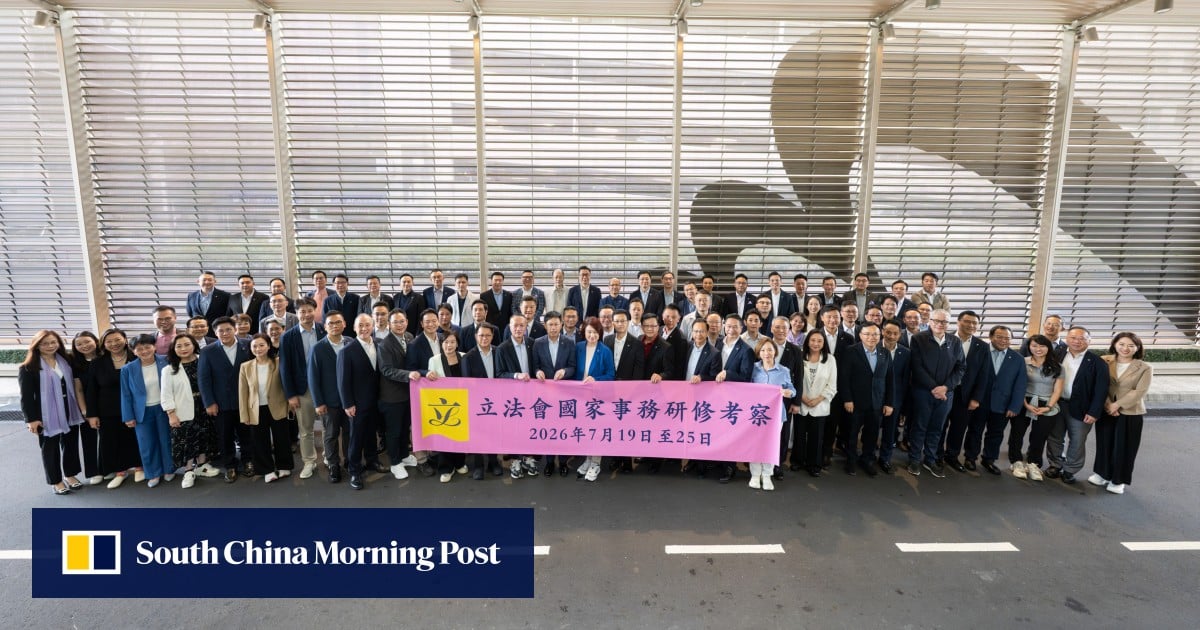
Hong Kong’s lawmakers have embarked on a week-long study visit to Beijing, with the Legislative Council’s president saying the trip would help their work of ensuring the city better aligns with national development. The trip marks the first time the entire legislature has travelled to the capital for such a “national affairs study visit”.
Hong Kong’s lawmakers are going on a trip to Beijing to learn more about the country’s latest conditions and policies. They will visit different authorities and organisations, and conduct field research to understand how Hong Kong can better align with national development.
Analysis
A Week-Long Study Trip to Beijing: What Does it Mean for Hong Kong’s Lawmakers?
Hong Kong’s lawmakers have embarked on a week-long study visit to Beijing, marking the first time the entire legislature has travelled to the capital for such a “national affairs study visit”. The trip is significant because it highlights the importance of Hong Kong aligning with national development, and the role of the Legislative Council in ensuring this alignment.
According to Starry Lee Wai-king, the Legislative Council’s president, the trip is an opportunity for lawmakers to gain a first-hand understanding of the country’s latest conditions and policies, visit different authorities and organisations, and conduct field research. The itinerary includes visits to the central government’s Hong Kong and Macau Affairs Office, seminars on national security, international relations, the formulation of five-year plans, and the country’s legal system.
The trip also includes visits to industries considered to be “new quality productive forces” as part of a growth model championed by Beijing that emphasises technological breakthroughs and industrial upgrades. Such technologies include those related to artificial intelligence, aerospace, and information technology applications.
The significance of this trip cannot be overstated. It marks a new era of cooperation between Hong Kong and the mainland, and highlights the importance of the Legislative Council in ensuring that Hong Kong aligns with national development.
What Does this Mean for Hong Kong’s Future?
The implications of this trip are far-reaching. It highlights the importance of Hong Kong aligning with national development, and the role of the Legislative Council in ensuring this alignment. It also highlights the importance of technological breakthroughs and industrial upgrades in driving economic growth.
The trip is a significant step forward in the relationship between Hong Kong and the mainland, and highlights the importance of cooperation and collaboration in driving economic growth.
The Road Ahead
The road ahead is uncertain, but one thing is clear: Hong Kong’s lawmakers will return from this trip with a newfound understanding of the country’s latest conditions and policies. They will be equipped with the knowledge and expertise needed to ensure that Hong Kong aligns with national development, and to drive economic growth through technological breakthroughs and industrial upgrades.
Key points
- Hong Kong’s lawmakers have embarked on a week-long study visit to Beijing.
- The trip marks the first time the entire legislature has travelled to the capital for such a “national affairs study visit”.
- The itinerary includes visits to the central government’s Hong Kong and Macau Affairs Office, seminars on national security, international relations, the formulation of five-year plans, and the country’s legal system.
- The trip also includes visits to industries considered to be “new quality productive forces” as part of a growth model championed by Beijing that emphasises technological breakthroughs and industrial upgrades.
If this development plays out positively, it could lead to increased cooperation and collaboration between Hong Kong and the mainland, driving economic growth and technological breakthroughs.
However, there are also risks associated with this trip, including the potential for increased scrutiny and oversight from the mainland, which could lead to a loss of autonomy for Hong Kong.