Hong Kong's Tiananmen activists guilty in national security trial
Two Hong Kong activists, Lee Cheuk-yan and Chow Hang-tung, have been found guilty of inciting others to subvert state power under the city's national security law. They face a maximum penalty of 10 years in jail.
Intelligence analysis by Llama
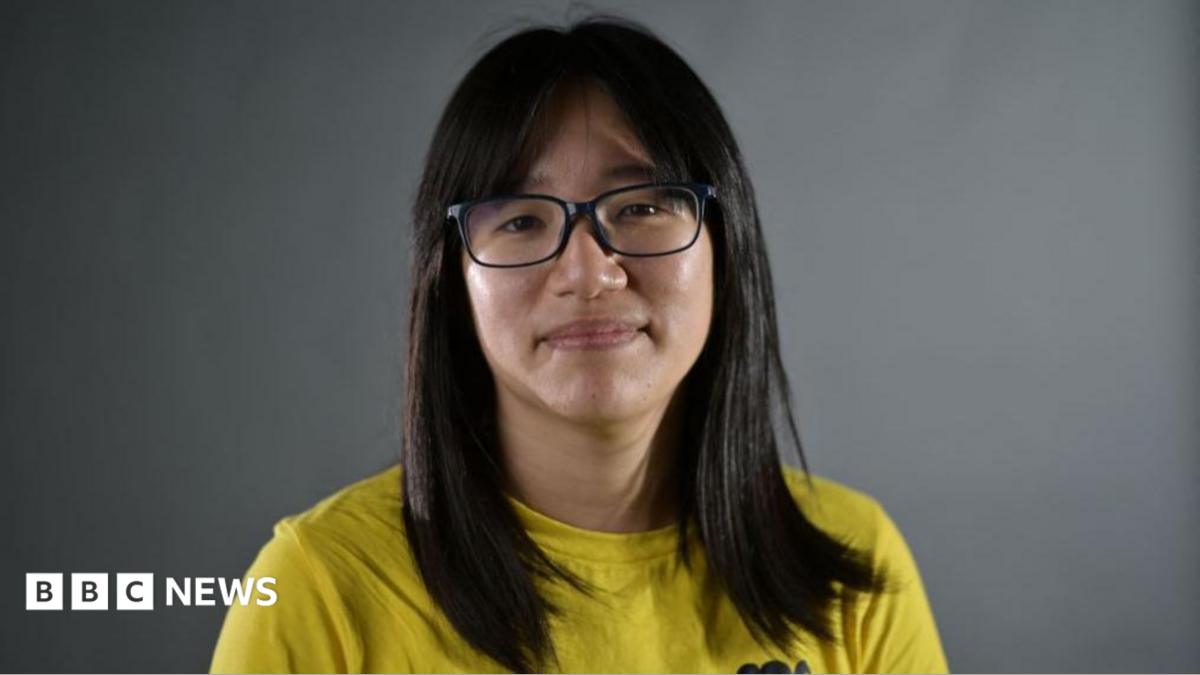
Hong Kong activists Lee Cheuk-yan and Chow Hang-tung have been convicted of inciting others to subvert state power under the city's national security law. They face a maximum penalty of 10 years in jail.
Imagine you're living in a city where you can't express your opinions or gather with friends to talk about important issues. That's what's happening in Hong Kong, where the government has introduced a law that makes it illegal to do things that might be seen as a threat to their power. Two activists, Lee Cheuk-yan and Chow Hang-tung, have been found guilty of breaking this law and could face up to 10 years in jail.
Analysis
Tiananmen Square Crackdown: A Brief History
The Tiananmen Square crackdown in 1989 was a pivotal moment in modern Chinese history. Pro-democracy protesters took to the streets in Beijing, calling for greater freedoms and an end to communist rule. However, the protests were brutally suppressed by the Chinese military, resulting in the deaths of hundreds, if not thousands, of people. The exact number of deaths remains a topic of debate, with estimates ranging from a few hundred to many thousands.
The National Security Law: A Tool for Suppression
In 2020, the Chinese government introduced the national security law in Hong Kong, which makes it illegal to engage in acts that are deemed to be subversive or secessionist. The law has been widely criticized for its broad and vague definitions, which have been used to silence dissenting voices in Hong Kong. The conviction of Lee Cheuk-yan and Chow Hang-tung under this law is a stark reminder of the erosion of Hong Kong's autonomy and the creation of a climate of fear.
The Impact on Hong Kong's Democracy
The national security law has had a chilling effect on Hong Kong's democracy. The law has been used to silence dissenting voices, arrest activists, and suppress free speech. The conviction of Lee Cheuk-yan and Chow Hang-tung is a blow to the city's democratic movement, which has been fighting for greater freedoms and an end to communist rule. The future of Hong Kong's democracy remains uncertain, but one thing is clear: the national security law has created a climate of fear that is suffocating the city's ability to express itself.
Key points
- Two Hong Kong activists, Lee Cheuk-yan and Chow Hang-tung, have been found guilty of inciting others to subvert state power under the city's national security law.
- They face a maximum penalty of 10 years in jail.
- The conviction raises concerns about the erosion of Hong Kong's autonomy and the creation of a climate of fear.
- The national security law has been widely criticized for its broad and vague definitions, which have been used to silence dissenting voices in Hong Kong.
- The conviction of Lee Cheuk-yan and Chow Hang-tung is a blow to the city's democratic movement, which has been fighting for greater freedoms and an end to communist rule.
If the court's decision is overturned on appeal, it could be a significant victory for Hong Kong's democracy movement and a blow to the government's efforts to suppress dissent.
The conviction of Lee Cheuk-yan and Chow Hang-tung could set a worrying precedent for the suppression of dissent in Hong Kong, making it even more difficult for activists to express themselves and fight for their rights.