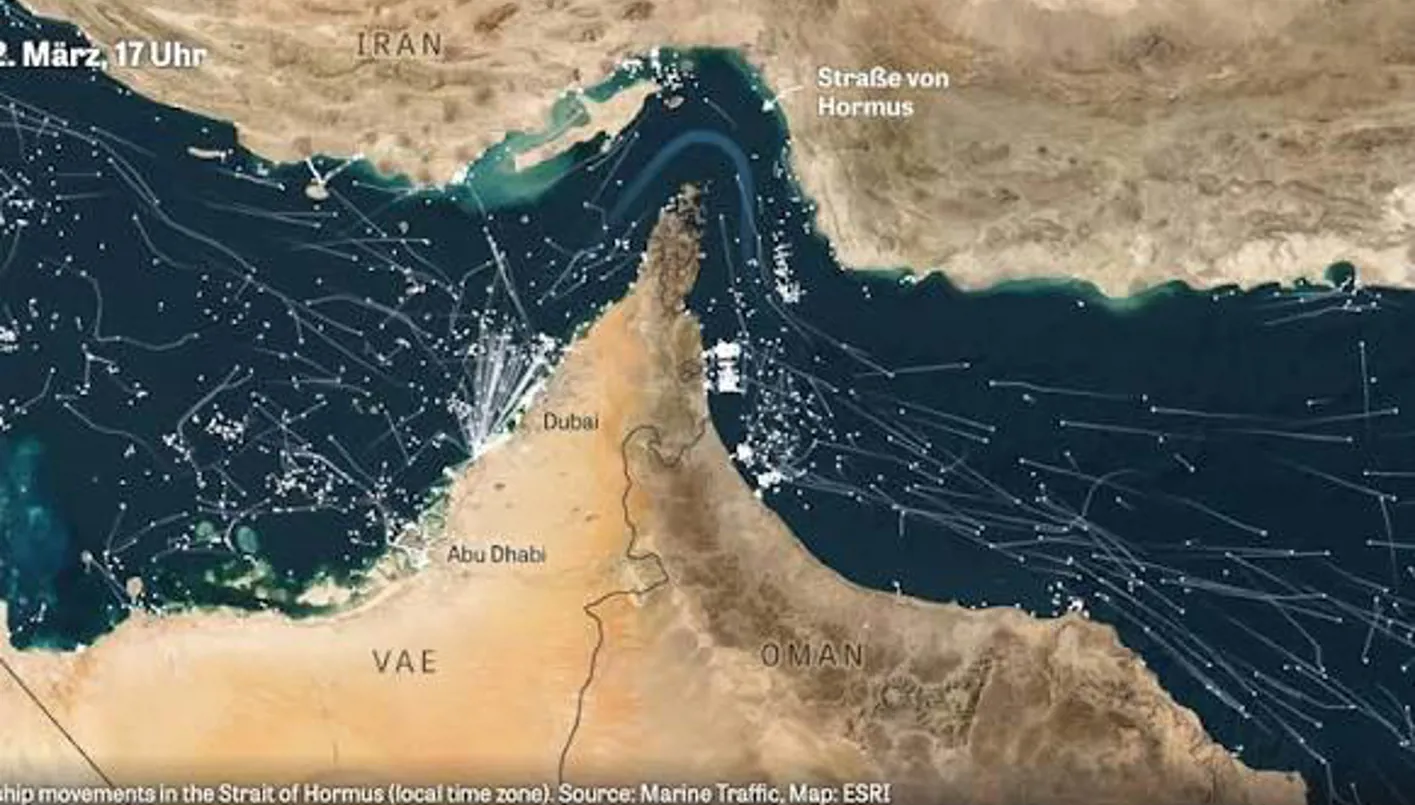
Hormuz, Malacca and other key straits spawn tensions throughout history
Hormuz and a handful of maritime straits around the world have served as the linchpin of global trade since the 16th century and have fuelled geopolitical rivalries throughout history.
Intelligence analysis by Llama

The Strait of Hormuz, a key shipping passage, has been a source of tension between Iran and other countries. The principle of free navigation, established by the Montego Bay Convention, guarantees freedom of passage through straits, but some countries, like Turkey, have exceptions.
Imagine you're on a big ship traveling from one country to another. You need to pass through a narrow waterway called a strait. The Strait of Hormuz is one of these important waterways. But some countries, like Iran, want to control who can pass through it, which can cause problems for other countries and their trade.
Analysis
A History of Tensions
Hormuz and a handful of maritime straits around the world have served as the linchpin of global trade since the 16th century and have fuelled geopolitical rivalries throughout history. The principle of free navigation, established by the Montego Bay Convention, guarantees freedom of passage through straits, but some countries, like Turkey, have exceptions.
The Montego Bay Convention
The United Nations Convention on the Law of the Sea signed in Montego Bay on December 10, 1982, formalises the fact that a strait is a natural feature that must not be subject to tolls and where the principle of free navigation is guaranteed. However, some countries, like Iran, have not ratified the convention, and others, like Turkey, have exceptions.
The Importance of Free Navigation
The principle of free navigation is essential for global trade, as it guarantees freedom of passage through key shipping passages. However, the tensions in the Strait of Hormuz highlight the challenges of maintaining free navigation in the face of geopolitical rivalries and competing interests.
Key points
- The Strait of Hormuz is a key shipping passage that has been a source of tension between Iran and other countries.
- The principle of free navigation, established by the Montego Bay Convention, guarantees freedom of passage through straits.
- Some countries, like Turkey, have exceptions to the principle of free navigation.
- The tensions in the Strait of Hormuz have significant implications for global trade and security.
- The importance of free navigation is essential for global trade.
If the tensions in the Strait of Hormuz can be resolved through diplomacy, it could lead to increased trade and economic cooperation between countries in the region.
If the tensions in the Strait of Hormuz escalate into conflict, it could lead to a significant disruption of global trade and have far-reaching consequences for the economy and security of countries in the region.