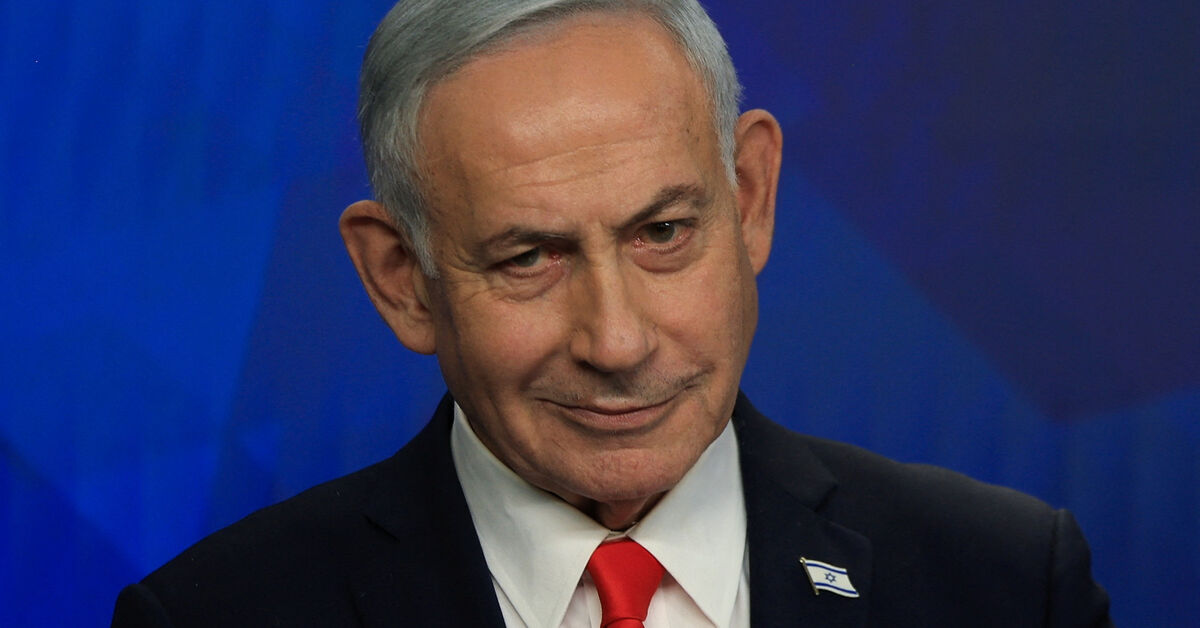
Hormuz strait will be open but with transit fees, Iran envoy to Moscow quoted
Iran's envoy to Moscow said the Strait of Hormuz would stay open, but with new conditions and possible transit fees set by Iran and Oman.
Intelligence analysis by GPT-5.4 Mini
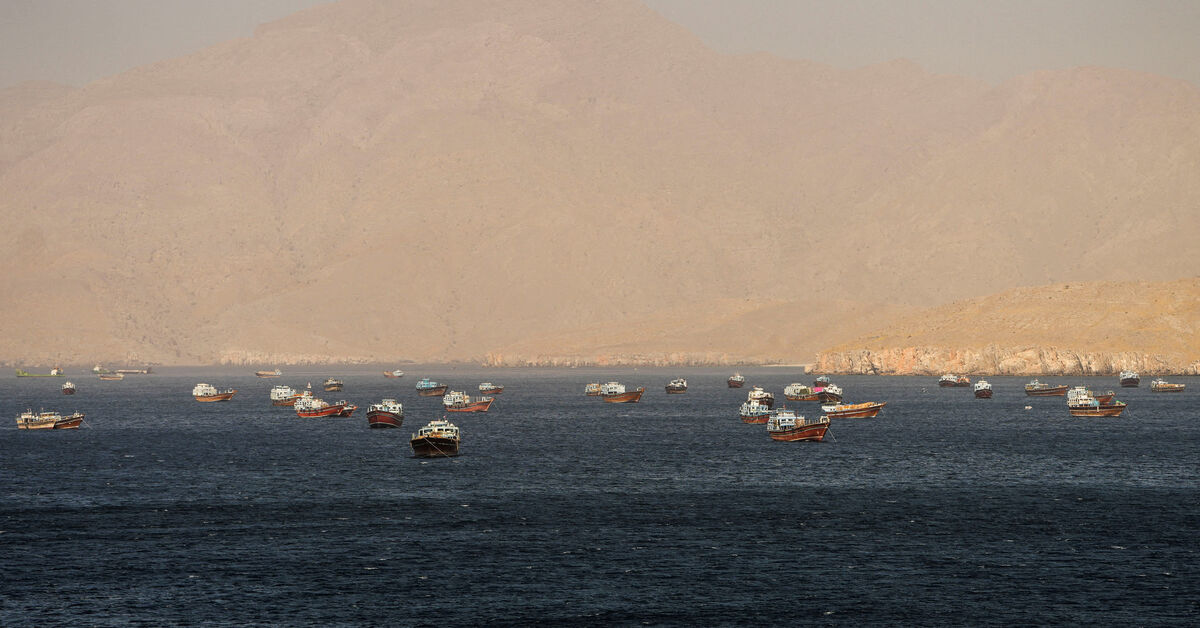
The report says Iran is signaling that shipping through the Strait of Hormuz could continue, but only under rules that may include fees. That would be a major shift for a waterway that carries a large share of global oil and gas traffic.
The Strait of Hormuz is like a tiny doorway for giant oil ships. Iran says the doorway can stay open, but ships may have to pay a toll to pass through it, which could make fuel and shipping more expensive.
Analysis
What Iran is saying
Iran's ambassador to Moscow, Kazem Jalali, said the Strait of Hormuz will remain open, but under new terms to be decided by Iranian and Omani authorities. He said fees would be charged for services related to the waterway, though he did not spell out how those charges would work.
Why the strait matters
Before the war, about one-fifth of the world’s oil passed through Hormuz. The article says the U.S.-Israeli war on Iran has sharply reduced oil flows, and that oil and liquefied natural gas shipments are still heavily constrained even though some tankers have recently managed to leave the Gulf.
Dispute over fees
Iran has argued that a lasting peace deal should let it collect fees from ships transiting the strait, with charges varying by vessel type, cargo and conditions. That position is described as strongly opposed by U.S. President Donald Trump. The U.S. warned Oman in late May not to get involved in any fee plan, and Treasury Secretary Scott Bessent said Oman’s ambassador told him there were no such plans.
Regional backdrop
The report also notes that Israel said it struck military targets in western and central Iran on Monday, even after Trump reportedly urged Israeli Prime Minister Benjamin Netanyahu to stop further attacks. Separately, Japan said it did not pay a fee after a Japan-linked crude tanker passed through the strait in May. The piece suggests the basic question is no longer whether Hormuz stays open, but who controls access and at what cost.
Key points
- Iran's envoy to Moscow said the Strait of Hormuz will remain open, but under new conditions.
- Those conditions could include transit fees set by Iranian and Omani authorities.
- The article says the war with Israel has already cut oil flows through the strait.
- The U.S. opposes any toll plan and warned Oman not to get involved.
- Japan said it did not pay a fee after one of its linked tankers passed through in May.
If Iran and Oman settle on clear rules, shipping could continue through Hormuz instead of being fully shut. A defined system might reduce confusion for tankers and keep some oil and gas moving despite the conflict.
If the fee plan becomes a new flashpoint, it could deepen friction with the United States and other countries that rely on the strait. The added uncertainty could also keep oil and LNG flows constrained and raise costs for shippers.