Hostilities flare again in Iran war, talks at a stalemate
Missile and drone attacks rattled the Gulf as Iran-U.S. talks stayed stuck, with no signed deal yet. The conflict has left the Strait of Hormuz largely closed and kept regional tensions high.
Intelligence analysis by GPT-5.4 Mini
The article describes a war that has not been resolved despite claims of a tentative ceasefire framework. Fighting and retaliatory strikes are still spreading across the Gulf and Lebanon while Washington and Tehran remain at odds over Iran's nuclear program and sanctions relief.
This is like two neighbors arguing so loudly that the whole street gets shaken up. The fight is blocking a busy sea road, sending prices up, and even making aid deliveries harder, while the adults trying to stop it still have not signed a real peace deal.
Analysis
Stalemate in the Gulf
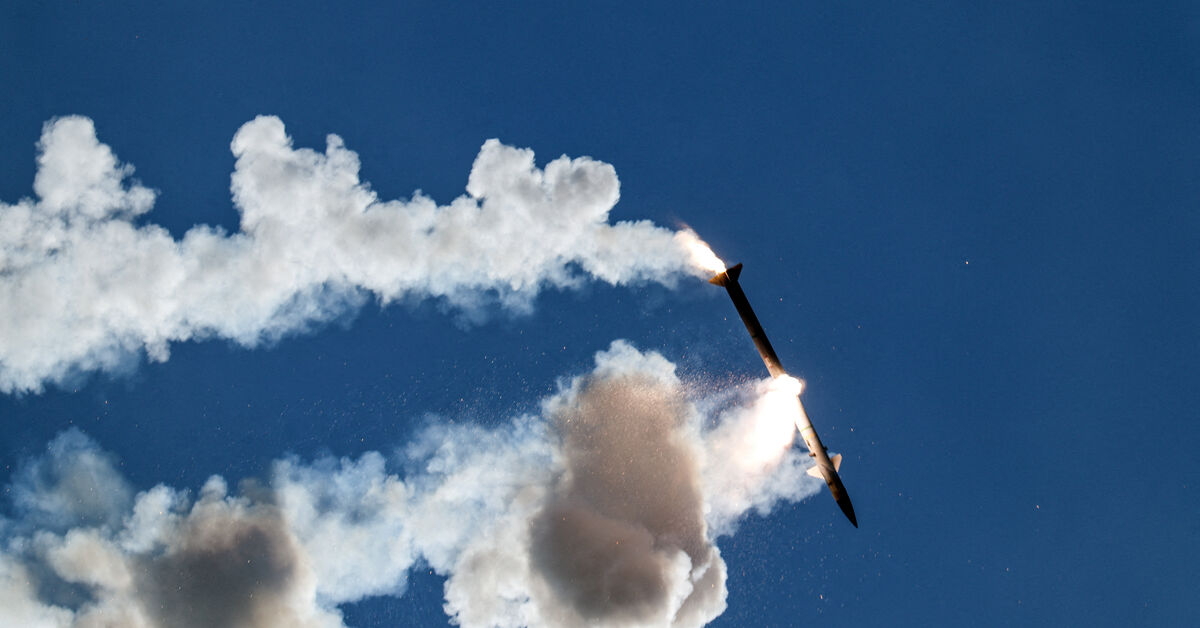
The article says hostilities erupted again with reports of missile and drone attacks on Kuwait, sirens in Bahrain, and U.S. action against a tanker headed toward Iran. Iranian media also reported explosions near Qeshm Island, close to the Strait of Hormuz, underscoring how unstable the conflict remains.
Talks without a deal
Reuters reports that Iran and the United States said last week they had reached a tentative initial agreement to halt the war, but the deal has not been signed. Iranian media said Tehran had not spoken with Washington for several days, while President Donald Trump insisted the conversations were still continuing. The core dispute remains Iran's nuclear program, with Trump saying preventing a nuclear weapon is his top priority and Iran denying it is seeking one.
Regional fallout
The article says the war began on February 28 and has killed thousands, mainly in Iran and Lebanon. It has also pushed up energy prices by disrupting traffic through the Strait of Hormuz, which the story says previously carried about a fifth of global oil and liquefied natural gas supplies. Israel is still striking targets in southern Lebanon despite a U.S.-mediated partial ceasefire, adding to fear among displaced Lebanese residents.
Wider impact
The conflict is now affecting shipping and aid flows beyond the immediate battlefield. The MSC vessel hit in Iraq's Umm Qasr port and UNICEF's warning about transport costs and supply-chain disruption show how the crisis is spreading into trade and humanitarian operations.
Key points
- Missile and drone incidents were reported in Kuwait, Bahrain, and near Iran's Qeshm Island.
- Iran and the United States have discussed a tentative war-stopping deal, but it has not been signed.
- The main dispute remains Iran's nuclear program and the scope of U.S. sanctions relief.
- The conflict has kept the Strait of Hormuz largely shut and pushed up energy prices.
- Israel continues strikes in Lebanon, and the wider crisis is disrupting shipping and aid flows.
If the tentative agreement is signed, the article suggests fighting could stop and diplomats could move on to Iran's nuclear issue. A real deal could also reopen safer shipping routes and reduce the pressure on energy prices and aid deliveries.
If the sides keep stalling, the ceasefire could remain shaky and more attacks could spread across the Gulf and Lebanon. Continued closure of the Strait of Hormuz would keep energy markets under strain and deepen the humanitarian and trade disruptions described in the article.