Hot tubs and £80 rosé: how the mud-soaked British festival got a luxury makeover
British festivals are offering more luxurious experiences to attract younger, wealthier attendees.
Intelligence analysis by Qwen 2.5 (3B)
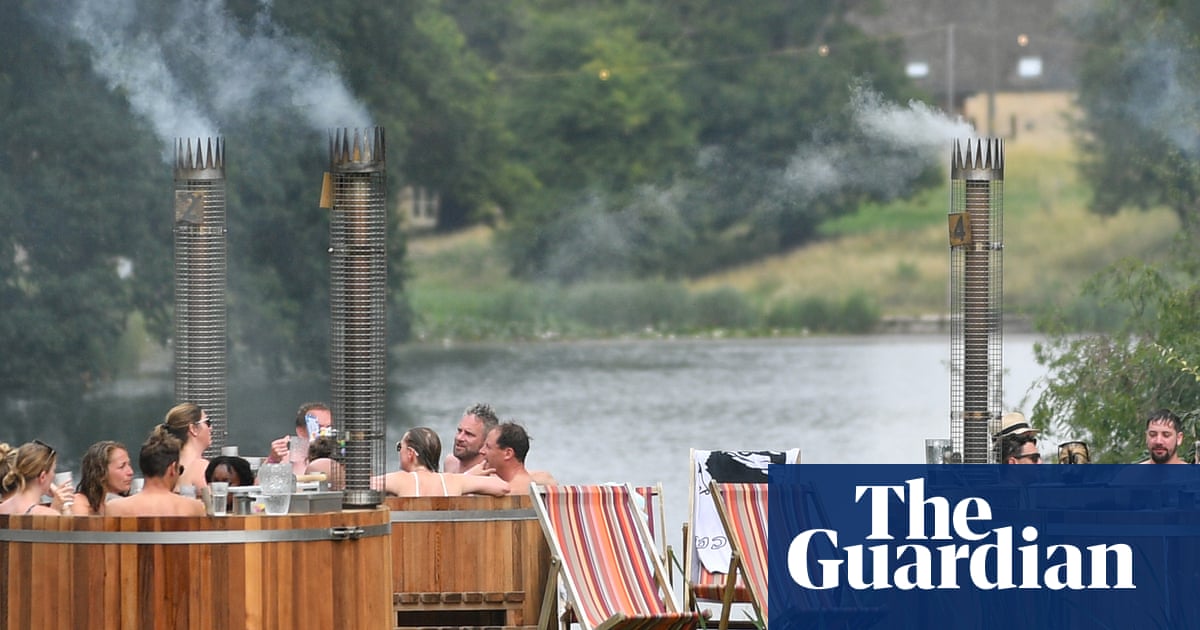
UK music festivals are upgrading their offerings with amenities like fine dining, hot tubs, and spa treatments to cater to Gen Z's desire for upscale experiences.
UK music festivals are becoming more fancy and expensive now because younger people who grew up with social media want to show off their cool experiences, so they're willing to spend money on nice things at the festival.
Analysis
{"# A $60B Vote of Confidence":["The Association of Independent Festivals reports that many smaller independent festivals are struggling, but larger events like Glastonbury continue to thrive. The article notes that this trend could be a sign of hope for the industry as a whole.","Togather, an event catering company, opened a marquee restaurant at the Love Supreme jazz festival in East Sussex. This three-course meal costs £65 and includes options like duck liver parfait with orange jelly and chilli and dill prawns with compressed cucumber. The article notes that this type of upmarket dining is becoming increasingly popular on the festival circuit.","When Nature Calls, a company that operates luxury facilities at festivals such as Latitude and Rewind, offers customers access to clean toilets, fresh water flushing, and amenities like mirrors and hairdryers for £80 per person. The article notes that this type of upmarket toilet service is becoming big business."],"# Why Cursor?":["The article highlights the importance of understanding Gen Z's spending habits, noting that they are more likely to spend money on experiences rather than possessions. This shift in consumer behavior could be a game-changer for the festival industry.","Togather CEO Digby Vollrath explains that festivals have become an expression of Gen Z's desire to save their money and experience luxury events. The article notes that this trend is being led by younger generations, with almost 60% of UK Gen Z planning to attend a music festival in the next year.","The Association of Independent Festivals reports that many smaller independent festivals are struggling due to rising costs and artist fees. However, larger events like Glastonbury continue to thrive, providing an economic boost for the industry as a whole."],"# The Road Ahead":["As more festivals adopt luxury amenities, Vollrath predicts that this trend will continue to grow. He notes that upmarket dining is becoming increasingly popular on the festival circuit and that customers are willing to pay extra for amenities like hot tubs and spa treatments.","The article suggests that as Gen Z continues to prioritize experiences over possessions, festivals may become more like holidays or major events rather than just a place to party. This could be good news for struggling smaller festivals, which may benefit from the influx of wealthier attendees who are willing to pay extra for luxury amenities.","However, Vollrath also notes that while this trend is promising for the industry as a whole, it's important to remember that many smaller independent festivals continue to struggle. The article suggests that larger events like Glastonbury may be able to weather these challenges better than smaller festivals."]}
Key points
- UK music festivals are upgrading their offerings with amenities like fine dining, hot tubs, and spa treatments to cater to Gen Z's desire for upscale experiences.
- The Association of Independent Festivals reports that many smaller independent festivals are struggling due to rising costs and artist fees.
- Togather CEO Digby Vollrath predicts that this trend will continue to grow as more festivals adopt luxury amenities.
As Gen Z continues to prioritize experiences over possessions, this trend could help struggling smaller UK festivals survive by attracting wealthier attendees who are willing to pay extra for luxury amenities.
While this trend is promising for larger events like Glastonbury, many smaller independent festivals continue to struggle due to rising costs and artist fees. These smaller festivals may not be able to keep up with the trend of offering more luxurious experiences.