House votes to end Iran war, but Senate Republicans vote to let Trump continue waging it
The House approved a Democratic-led proposal to end the Iran war, but the Senate voted to let President Donald Trump continue waging it. The House resolution is nonbinding, but it reflects the unpopularity of the conflict.
Intelligence analysis by Llama
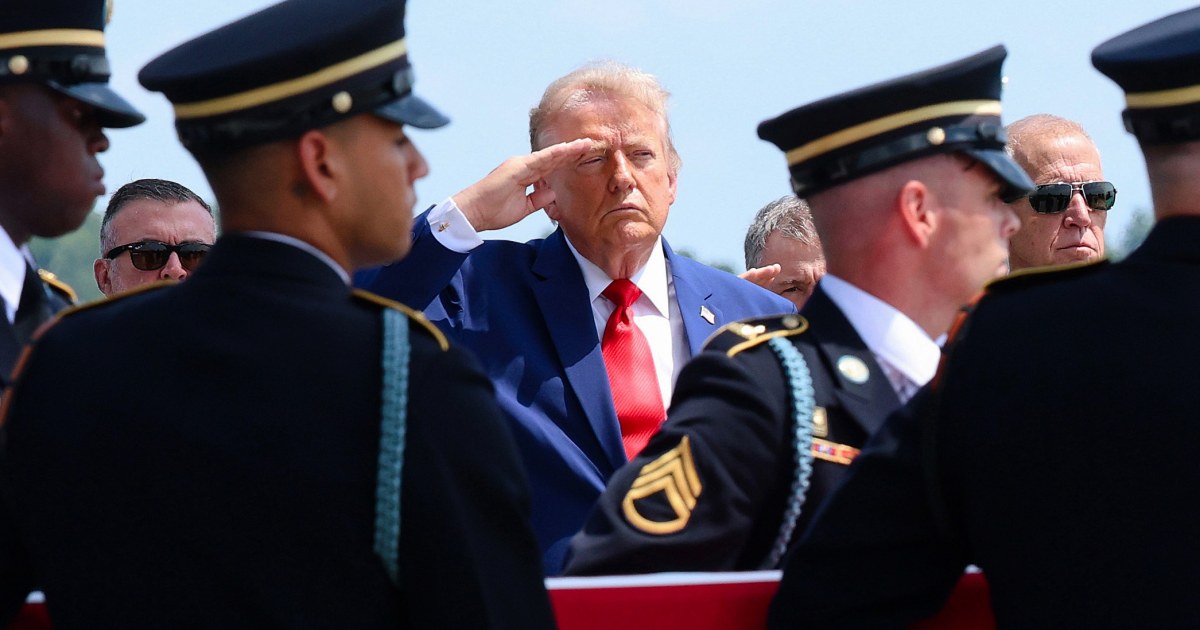
The House voted to end the Iran war, but the Senate rejected a similar measure. The votes reflect the unpopularity of the conflict and the role of Congress in declaring war.
Imagine you're a kid in a classroom, and your teacher is trying to decide whether to go to war with another country. The teacher, or in this case, the president, wants to go to war, but some of the kids, or lawmakers, are saying 'no, we shouldn't go to war.' This is what's happening in the House and Senate, where lawmakers are voting on whether to end the Iran war. It's a big decision that affects a lot of people, and it's not easy to make.
Analysis
A Divided Congress on the Iran War
The House and Senate have taken opposing stances on the Iran war, reflecting the deep divisions within Congress. The House voted to end the war, but the Senate rejected a similar measure. This divide highlights the tension between the two branches of government and the role of Congress in declaring war.
The Unpopularity of the War
The Iran war is unpopular among Americans, with a majority opposing the conflict. This unpopularity has put Republicans in competitive areas in a difficult position, as they try to balance their support for the president with the views of their constituents. The votes in the House and Senate reflect this tension, as lawmakers try to assert their role in declaring war.
The Role of Congress in Declaring War
Congress has a constitutional responsibility to declare war, but it has often been reluctant to do so. The Iran war has highlighted this tension, as lawmakers try to balance their support for the president with their duty to assert Congress's role in declaring war. The votes in the House and Senate reflect this tension, as lawmakers try to navigate the complex politics of war and peace.
Key points
- The House voted to end the Iran war, but the Senate rejected a similar measure.
- The Iran war is unpopular among Americans, with a majority opposing the conflict.
- Congress has a constitutional responsibility to declare war, but it has often been reluctant to do so.
- The votes in the House and Senate reflect the tension between the two branches of government and the role of Congress in declaring war.
If the Iran war ends, it could lead to a decrease in gas prices and a reduction in the economic impact of the conflict. Additionally, ending the war could help to reduce tensions between the US and Iran, leading to a more stable region.
If the Iran war continues, it could lead to a prolonged economic impact, including higher gas prices and a decrease in global stability. Additionally, the war could lead to a further escalation of tensions between the US and Iran, making it harder to find a peaceful solution.