How a 60-Day Hunger Strike Became a Political Tool in India
In India, a 60-day hunger strike by a 59-year-old environmental activist has sparked a wave of protests and raised questions about the effectiveness of this form of protest. The activist, Sonam Wangchuk, has been on a hunger strike for 19 days, surviving on only salt wate…
Intelligence analysis by Llama
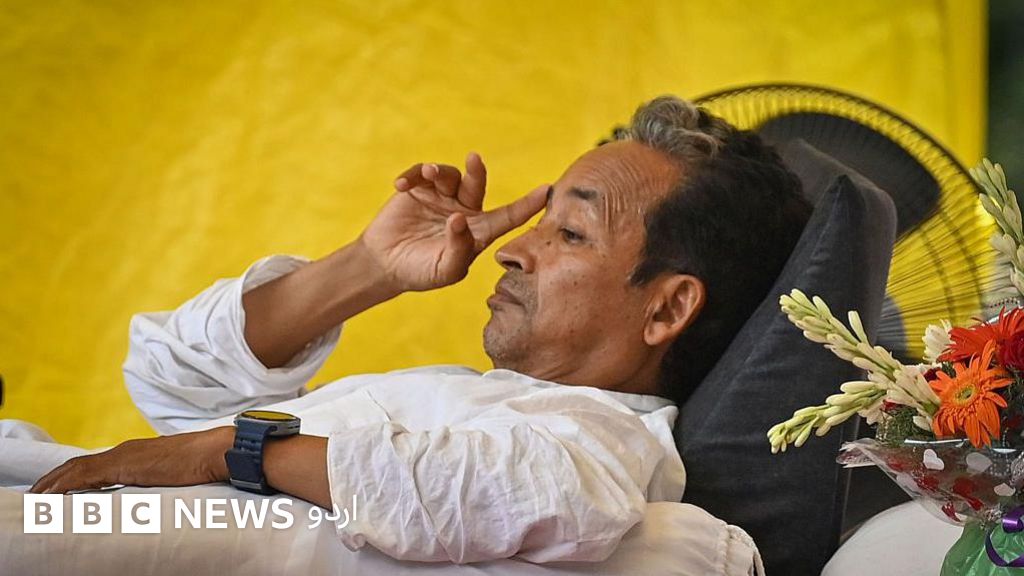
A 59-year-old environmental activist in India has been on a 19-day hunger strike, surviving on only salt water, and has lost over 11 kg in weight. His protest is part of a larger movement to demand educational reforms in India.
A 59-year-old environmental activist in India has been on a 19-day hunger strike, surviving on only salt water, and has lost over 11 kg in weight. His protest is part of a larger movement to demand educational reforms in India. A hunger strike is when someone stops eating food to protest against something. It's like a big protest, but instead of shouting and waving signs, the person is just not eating. It's a way to show how serious they are about their cause.
Analysis
A 60-Day Hunger Strike That Changed India's Politics
In India, a 60-day hunger strike by a 59-year-old environmental activist has sparked a wave of protests and raised questions about the effectiveness of this form of protest. The activist, Sonam Wangchuk, has been on a hunger strike for 19 days, surviving on only salt water, and has lost over 11 kg in weight. His protest is part of a larger movement to demand educational reforms in India.
The use of hunger strikes as a form of protest in India dates back to the country's struggle for independence. Mahatma Gandhi, the father of the Indian independence movement, used hunger strikes as a tool to pressure the British government to grant India independence. Gandhi's hunger strikes were not just a means of protest but also a way to bring attention to social and political issues.
In recent years, hunger strikes have been used in India to demand various rights, including the right to education, the right to food, and the right to healthcare. The hunger strike by Sonam Wangchuk is part of this tradition.
The impact of hunger strikes in India is significant. They have been used to bring attention to social and political issues, to pressure the government to take action, and to mobilize public opinion. Hunger strikes have also been used to challenge the government's policies and to demand changes in the law.
However, the effectiveness of hunger strikes in India is also a subject of debate. Some argue that hunger strikes are an effective way to bring attention to social and political issues, while others argue that they are not an effective way to bring about change.
In the case of Sonam Wangchuk's hunger strike, the impact has been significant. His protest has sparked a wave of protests across the country, and has raised questions about the effectiveness of this form of protest. The government has also been forced to take notice of his protest, and has been forced to respond to his demands.
The Road Ahead
The hunger strike by Sonam Wangchuk is part of a larger movement to demand educational reforms in India. The movement is led by a group of activists who are demanding changes in the education system, including the introduction of a new curriculum and the increase in funding for education.
The movement has been gaining momentum in recent weeks, with protests and demonstrations taking place across the country. The government has also been forced to respond to the demands of the movement, and has been forced to take steps to address the issues raised by the activists.
The outcome of the movement is uncertain, but it is clear that the hunger strike by Sonam Wangchuk has sparked a wave of protests and has raised questions about the effectiveness of this form of protest. The movement is likely to continue, and it is likely to have a significant impact on the country's politics and social issues.
Key points
- A 59-year-old environmental activist in India has been on a 19-day hunger strike, surviving on only salt water, and has lost over 11 kg in weight.
- His protest is part of a larger movement to demand educational reforms in India.
- The use of hunger strikes as a form of protest in India dates back to the country's struggle for independence.
- Hunger strikes have been used in India to demand various rights, including the right to education, the right to food, and the right to healthcare.
- The impact of hunger strikes in India is significant, but their effectiveness is also a subject of debate.
The hunger strike by Sonam Wangchuk has sparked a wave of protests in India, and it is likely to continue to have a significant impact on the country's politics and social issues. The movement is gaining momentum, and it is likely to lead to changes in the education system and the introduction of a new curriculum.
The hunger strike by Sonam Wangchuk has also raised concerns about the health and well-being of the activist. The activist has lost over 11 kg in weight, and his health is deteriorating. If the protest continues, it is likely to have a negative impact on the activist's health, and it may even lead to his death.