How a decade-long bet on photonics handed this Chinese venture capital firm an AI windfall
CAS Star’s long push into photonics is paying off as AI data centers hit limits with copper cables and shift toward optical links.
Intelligence analysis by GPT-5.4 Mini
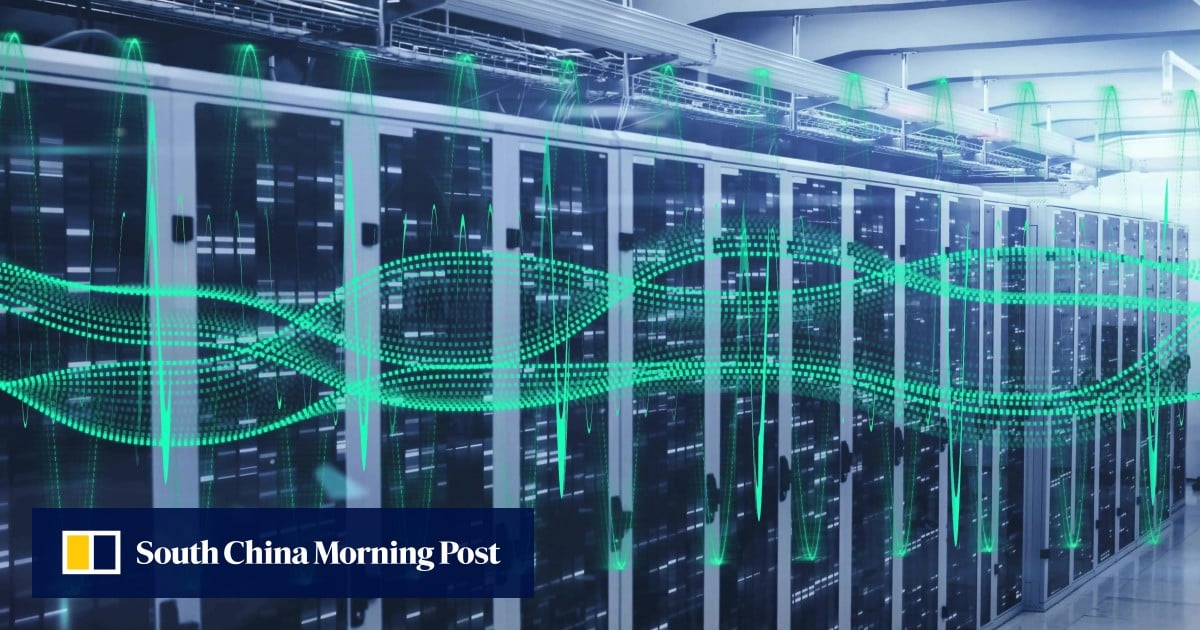
CAS Star founder Mi Lei says today’s photonics boom is a delayed validation of a decade-long investing thesis. As AI clusters strain copper interconnects, the firm’s long bets on optical technologies are finding new commercial momentum.
A long time ago, one investment firm bet that light-based tech would matter one day. It kept backing companies that work with photonics, which is the science of using light to send and handle information.
Now AI has made that bet look smart. Big computer centers are like giant teams of workers passing notes all day, and the old metal wires are getting too slow and hot. Light can move the notes faster and with less waste, like replacing a crowded road with a speed train.
Because of that, the firm’s old choices are suddenly worth much more. Companies it supported are getting attention, and one chip maker’s stock has jumped a lot.
Analysis
A long bet meets a new market
Mi Lei, founder of CAS Star, says the recent global fascination with photonics is not a surprise but a late confirmation of work the firm has supported for more than a decade. CAS Star was born out of the Chinese Academy of Sciences, and Mi said its role is to push scientific research toward commercialization.
Mi, who has a doctorate in optics, has been investing in photonics since the beginning. The firm says more than 200 of its roughly 600 portfolio companies are in the broader photonics sector, including sensing, communications, computing, storage and display.
Why AI changed the economics
The article says AI clusters now need tens of thousands of specialized chips to move data among themselves constantly. Traditional copper cables and wires are running into physical limits: they lose signal, create heat and drive up power use.
That makes optical links, which use light instead of electricity, increasingly important in modern data-center design. In other words, the bottleneck in AI is not just the chips themselves, but the plumbing that connects them.
Evidence of the shift
The article points to Yuanjie Technology, a Shaanxi-based laser-chip maker that CAS Star invested in around 2019. Its shares have risen more than elevenfold over the past year, driven by stronger revenue from data-center light-source products.
The piece frames this as a case where a long-term industrial thesis has suddenly become relevant to one of the hottest areas in tech. For CAS Star, photonics has moved from a niche bet to an AI infrastructure play.
Key points
- CAS Star says its decade-long focus on photonics is now being validated by AI infrastructure demand.
- AI training clusters need huge volumes of data moved between chips, exposing limits in copper interconnects.
- Optical links are gaining importance because they can reduce signal loss, heat and power consumption.
- The article cites Yuanjie Technology as an example, with shares rising more than elevenfold over the past year.
- Mi Lei frames the firm’s role as helping scientific research turn into commercial products.