How a shortage of gas, engine oil and spare parts is grinding Gaza to a halt
Shortages of fuel, oil and spare parts are crippling hospitals, rescue crews and transport across Gaza.
Intelligence analysis by GPT-5.4 Mini
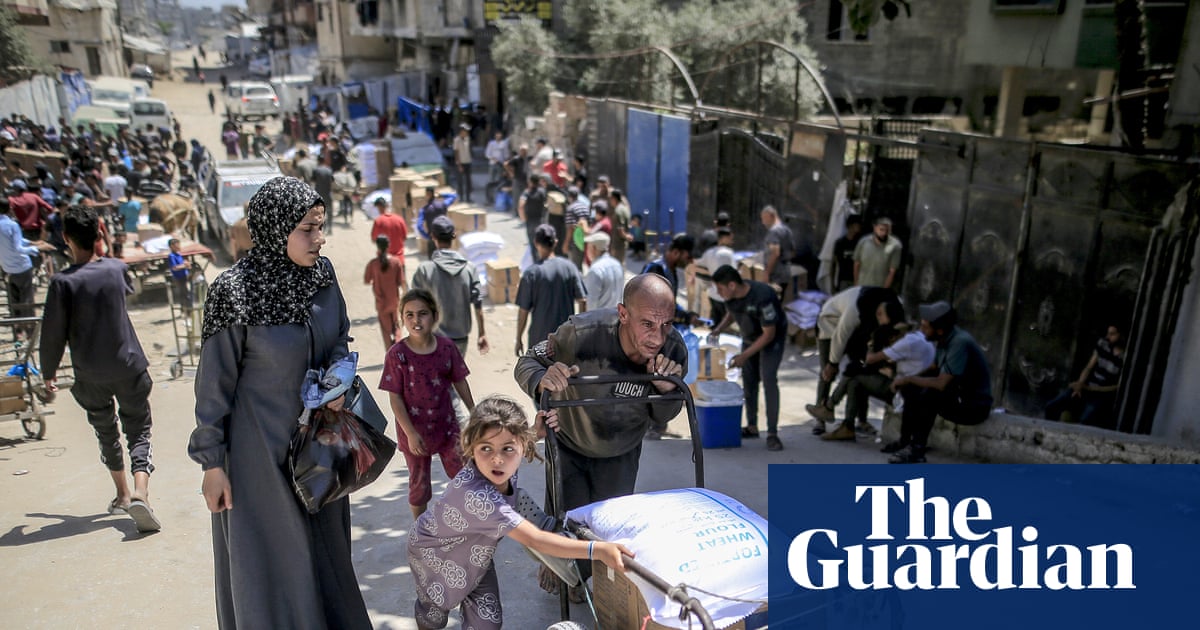
The Guardian reports that Gaza’s lack of engine oil, gas and spare parts is now worsening an already severe crisis. Hospitals, ambulances, fire crews and ordinary transport are all being pushed toward breakdown.
Gaza is like a town where the electricity, cars and repair shop parts are all running out at the same time. Without oil and spare parts, machines stop, ambulances break, and even simple trips to the hospital become very hard.
Analysis
Systems under strain
Gaza’s shortages have moved beyond food and medicine. The article says a lack of engine oil, spare parts and gas is disrupting bread production, water supplies and emergency services, creating one crisis after another.
At al-Aqsa Martyrs hospital in central Gaza, the director says generator failure forced the closure of surgical operating rooms. He describes the repairs as temporary “patchwork” because the materials needed for a full fix are not available, and says some old generators are being stripped for parts to keep others running.
Knock-on effects across daily life
The civil defence says firefighting and rescue work is close to a standstill and is already limited to the most critical emergencies. It has lost vehicles and ambulances to breakdowns and says fuel, engine oil and rescue equipment are restricted from entering.
The shortage also hits transport. The story says many cars are no longer running because oil is scarce or too expensive, while some owners have abandoned vehicles altogether. Mechanics are dismantling functional vehicles so their parts can be reused elsewhere. Prices have soared: one litre of engine oil reportedly costs about 2,200 shekels, up from roughly 25 before the war, and a gasket that once cost 120 shekels can now sell for about 2,000. The article links all of this to a wider humanitarian collapse in a territory where many people can no longer reach homes, goods or services reliably.
Key points
- Hospitals in central Gaza are struggling because generator repairs cannot be fully completed without spare parts.
- Civil defence teams say fire and rescue operations are close to stopping and have already lost vehicles and ambulances.
- Engine oil and vehicle parts have become scarce and extremely expensive, pushing many cars off the road.
- Mechanics are dismantling functional vehicles to keep others running, showing how stretched the system has become.
- The shortages are worsening access to hospitals and basic transport for displaced families.
If more fuel, oil and repair parts were allowed in, hospitals and rescue teams could keep more generators and vehicles working. That would ease pressure on surgery rooms, emergency response and transport for civilians.
If shortages continue, more generators, ambulances and fire trucks are likely to fail. That would deepen the breakdown in health care, rescue services and everyday movement across Gaza.