How a Starbucks marketing stunt spiralled into mass boycotts in South Korea
A Starbucks Korea tumbler promotion tied to an awkward date and slogan triggered boycotts, refunds, and a police probe. The company fired its CEO and issued apologies, but the backlash kept spreading.
Intelligence analysis by GPT-5.4 Mini
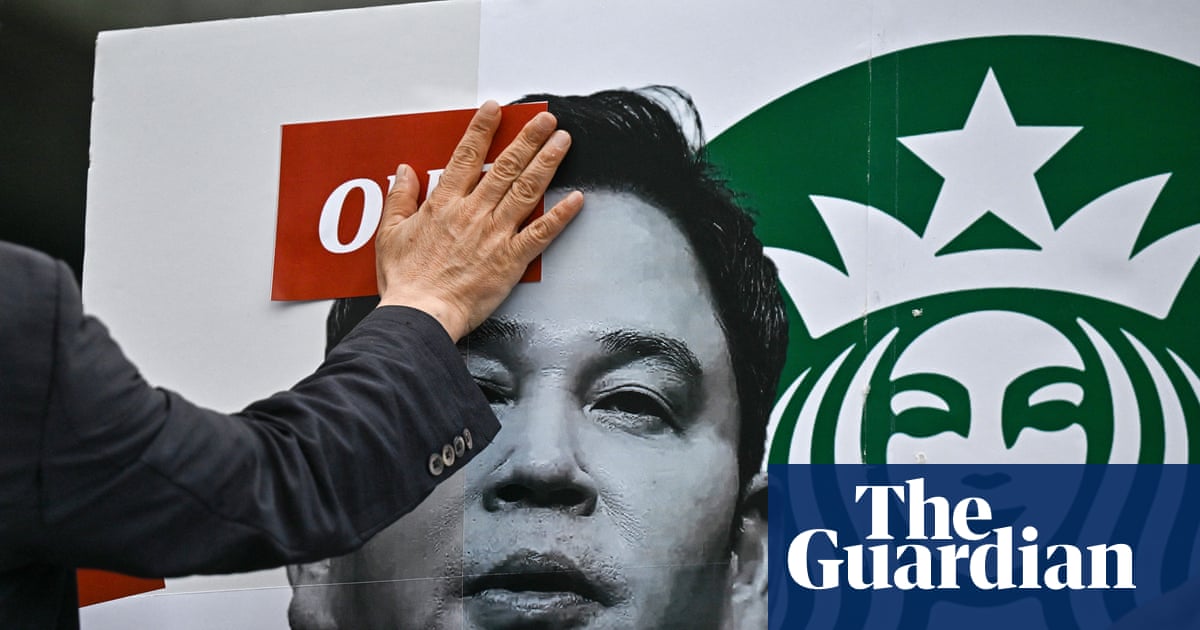
A marketing campaign for Starbucks Korea turned into a national controversy after it landed on the anniversary of the Gwangju massacre and used language seen as offensive. The fallout hit sales, sparked public protests, and pushed company and political leaders into damage control.
Starbucks in South Korea made a big mistake by launching a cup promotion on a day tied to a painful history. It was like throwing a party in a room where people were still upset about a fire, so many customers got angry and walked away.
Analysis
What happened
Starbucks Korea launched a promotion on 18 May for its new “Tank” tumbler range, using imagery and wording that many people in South Korea saw as deeply insensitive. The launch date совпided with the anniversary of the 1980 Gwangju massacre, a defining event in the country’s democratic history, and the slogan “thwack on the desk” echoed a notorious explanation once used in connection with the torture death of activist Park Jong-chul.
Why the reaction was so strong
The article says the campaign reopened painful memories linked to military rule, the Gwangju uprising, and dictatorship-era abuse. Critics saw the promotion not as a simple mistake, but as an act that commercialised and trivialised a national tragedy. That helped turn a marketing error into a wider cultural and political backlash.
Business fallout
Starbucks cancelled the campaign within hours and fired its CEO, Son Jeong-hyun, the same day. Even so, anger spread quickly through social media, stores saw protests, and people began smashing branded mugs and tumblers. The piece says card payment volumes at Starbucks stores fell 26% in a week, while May card payments were down 10% from the previous month. Customers also started asking for refunds from an estimated 400bn won held in prepaid cards.
Political and legal pressure
The company’s chairman, Chung Yong-jin of Shinsegae Group, issued repeated apologies, including a televised bowing press conference. Those apologies did not satisfy bereaved families and 5/18 groups. The article says police booked Chung and the former CEO as criminal suspects, and the controversy reached the president’s office. Government agencies stopped ordering Starbucks gift cards, and the defence ministry suspended a partnership with the chain.
The broader lesson
The article presents the episode as a reminder that brands operating in sensitive markets need stronger historical awareness and tighter review. In this case, the campaign appears to have been approved through a process that missed basic red flags, including managers who did not fully review the materials before sign-off.
Key points
- A Starbucks Korea tumbler promotion launched on 18 May, the anniversary of the 1980 Gwangju massacre, and sparked outrage.
- The slogan and imagery were seen as evoking painful historical events, including a dictatorship-era torture case.
- Starbucks cancelled the campaign, fired its CEO, and its chairman later issued public apologies.
- The backlash spread to protests, smashed cups, loyalty app deletions, refund demands, and a police investigation.
- Sales data in the article show a sharp drop in card payments at Starbucks stores after the controversy.
If Starbucks Korea follows through on its apology and historical-awareness training, it could slowly rebuild trust with customers. A tighter review process may also prevent another mistake that damages sales and public confidence.
If the anger does not fade, the company could keep losing sales, prepaid balance refunds may rise, and government partners may stay distant. The police investigation and public backlash could also deepen pressure on Shinsegae Group’s leadership.