How AI Helps Recyclers Turn Mixed Waste Into Reusable Material
AI and robotics are transforming the recycling industry by improving the sorting of mixed waste, diverting billions of tons of materials from landfills and promoting a more circular economy.
Intelligence analysis by Gemini 2.5 Flash
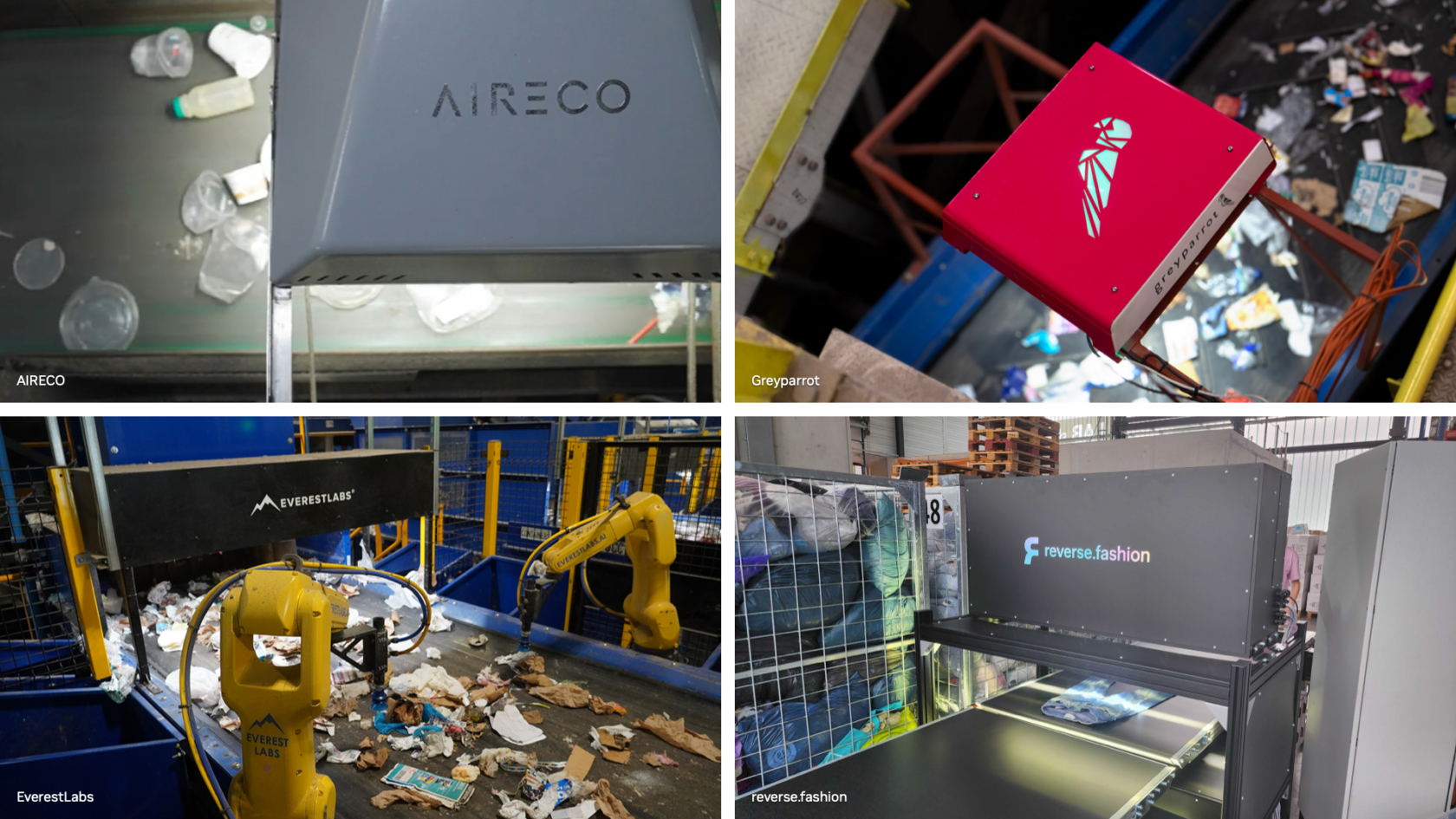
With global waste generation projected to nearly double by 2050, AI and advanced robotics are being deployed by startups to enhance the efficiency and accuracy of waste sorting. This technological intervention aims to recover valuable resources that would otherwise be lost, making recycled materials more commercially viable and reducing environmental impact.
Imagine you have a giant pile of all your toys mixed up – LEGOs, action figures, stuffed animals, and more. Instead of you having to sort them all by hand, which takes a long time and you might miss some, special smart robots with super-fast eyes (AI) can quickly look at each toy as it zooms by on a conveyor belt. They know exactly what each toy is and where it should go, helping to put them back into their right boxes so they can be played with again, instead of ending up in the trash.
Analysis
The global challenge of waste management, with over 2 billion tons of municipal solid waste generated annually, underscores the urgent need for innovative solutions. The current reliance on manual sorting and inconsistent material quality often leads to downcycling or landfill disposal, with less than 7% of materials globally originating from recycled sources. AI and robotics are emerging as pivotal technologies to revolutionize this landscape, offering precision and speed that human labor cannot match, thereby enhancing the economic viability and environmental impact of recycling.
AIRECO
Taiwan-based startup AIRECO exemplifies how vision AI can elevate plastic recycling. By employing NVIDIA Jetson Orin NX modules, the company achieves over 95% recognition accuracy on its pilot line, enabling finer sorting of plastics. This precision is crucial for closed-loop recycling, where materials like plastic bottles can be reprocessed into new bottles, maintaining their value and preventing downcycling into lower-grade products. AIRECO's ambitious plans to nearly triple annual waste processing capacity from 18,000 to 48,000 tons while cutting operating costs by 85% demonstrate the significant economic and environmental benefits of AI-driven sorting.
EverestLabs AI
EverestLabs AI, a U.S. startup, tackles the real-time demands of material recovery facilities with computer vision-guided robots. These robots, deployed in over 150 facilities across North America and Australia, operate at high speeds on conveyor belts, performing rapid analysis and sorting. The company leverages NVIDIA RTX GPUs for edge inference and NVIDIA data center GPUs for model training, optimized with NVIDIA CUDA. Their systems have identified approximately 40 billion objects, recycled about 25,000 tons of material, and prevented an estimated 30,000 metric tons of carbon dioxide emissions, showcasing the tangible impact of AI in large-scale recycling operations. Furthermore, EverestLabs is developing agentic AI tools to provide actionable data to facility staff, extending AI's utility beyond just sorting to operational intelligence.
Greyparrot
UK startup Greyparrot addresses the data gap in recycling plants, where operators traditionally rely on manual sampling of less than 1% of waste to assess composition. Their Analyzer platform, mounted above conveyor belts, uses computer vision and NVIDIA GPUs to identify every passing object by material and brand, even in challenging conditions like dust or poor lighting, and at speeds up to 4 meters per second. With over 300 Analyzer systems in more than 20 countries, Greyparrot has made over a trillion bounding box detections, drastically reducing the time needed to check waste and improving efficiency by 10% to 30%. This real-time data empowers facilities to optimize sorting processes and helps brands like Coca-Cola and Amcor understand how their packaging is recycled, fostering greater accountability and innovation in sustainable packaging.
Key points
- AI and robotics are crucial for improving waste sorting efficiency and accuracy, diverting materials from landfills.
- Startups like AIRECO, EverestLabs AI, and Greyparrot are using NVIDIA technology to develop advanced sorting solutions.
- AIRECO focuses on fine plastic sorting for closed-loop recycling, aiming to triple capacity and cut costs.
- EverestLabs AI deploys computer vision-guided robots in material recovery facilities, identifying billions of objects and reducing carbon emissions.
- Greyparrot's Analyzer platform provides real-time waste stream data, improving operational efficiency and helping brands track packaging recycling.
The widespread adoption of AI and robotics in recycling facilities could dramatically increase the efficiency and quality of material recovery, leading to significantly higher recycling rates globally. This technological shift promises to reduce landfill waste, lower operating costs for recyclers, and make recycled materials more competitive with virgin resources, fostering a truly circular economy.
Despite the advancements, challenges such as the inherent inconsistency of waste streams and the initial investment required for AI-powered systems could hinder broader adoption. If these technologies fail to scale effectively or if the cost of implementation remains prohibitive for smaller facilities, a substantial portion of waste may continue to be mismanaged.


