How Brexit has made Britain poorer – in charts
A Guardian charts piece says Brexit left the UK poorer, with weaker growth, trade, investment and wages despite no immediate recession.
Intelligence analysis by GPT-5.4 Mini
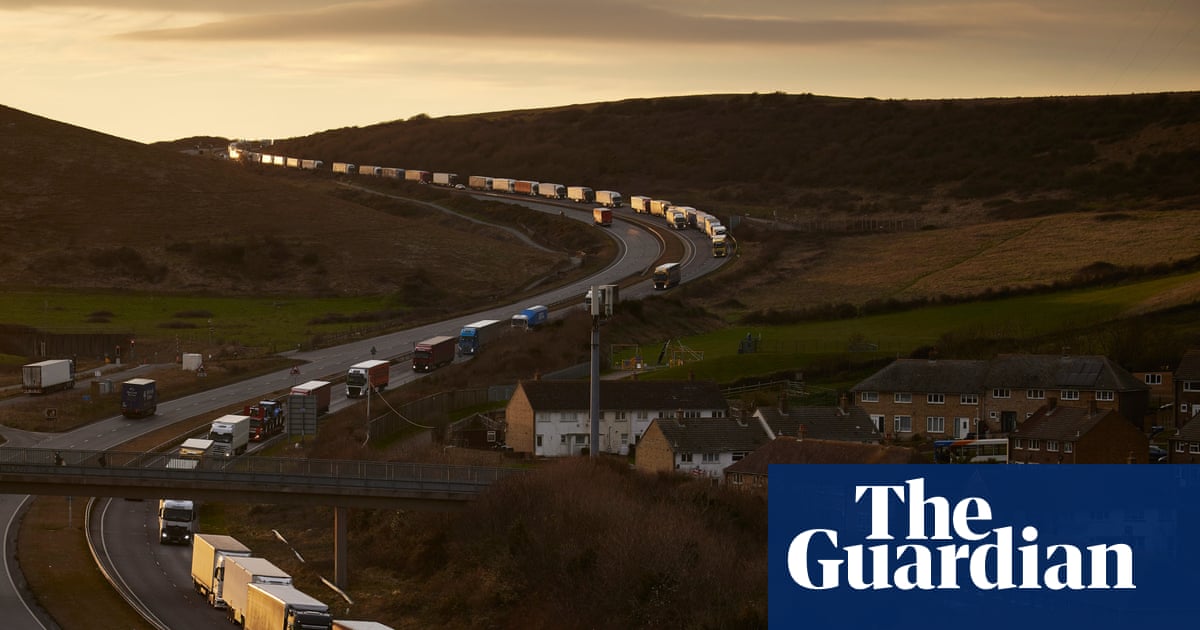
On Brexit's 10th anniversary, the Guardian argues the long-run warning was right: the pound fell, trade became harder, firms delayed investment, and the economy is smaller than it would have been inside the EU.
The article says Brexit was like taking a bike ride and then realizing the road got bumpier, narrower and slower. Britain did not crash right away, but over time trade, spending and growth all lost speed.
Analysis
What the charts show
The piece says the feared immediate recession did not arrive, partly because the Treasury’s warning assumed a sudden no-deal break rather than the slower path the UK actually took. But the article argues that the bigger economic losses showed up over time.
The pound dropped sharply after the referendum and, according to the story, has never returned above its pre-Brexit level. That weaker currency helped push up import costs and triggered inflation pressure that fed through to households and the public finances.
Slower growth, weaker trade
The article cites work from the Office for Budget Responsibility and economist Nick Bloom, saying the UK is on track for about a 4% hit to national income over 15 years, while GDP per head may be 6% to 8% lower than it otherwise would have been. It also says UK goods-export growth has lagged since the transition period ended, with more border friction and paperwork making trade harder.
Investment and jobs
A major theme is uncertainty. Businesses held back investment while the post-referendum settlement remained unclear, and the piece says investment may be roughly 18% lower than under remain, with productivity up to 4% lower. Employment did not collapse, but that hid weaker wage growth, lower participation and rising economic inactivity. The article says young people have been especially affected, with more 16- to 24-year-olds neither in work nor education.
The wider picture
The story also notes that public support for Brexit has faded and that net migration rose far above leave-era promises before falling again under tighter rules. Overall, the article presents Brexit less as a dramatic crash than as a long slowdown: a steady loss of momentum that left Britain poorer than it might have been.
Key points
- The article says Brexit did not trigger the immediate recession once predicted, but it did leave lasting economic damage.
- It argues the pound remains below its pre-referendum level, raising import costs and adding to inflation pressure.
- Cited analysis suggests UK GDP per head is 6% to 8% lower than it would have been without Brexit.
- Trade in goods has slowed because Brexit added border friction and red tape.
- Businesses delayed investment, which the article links to weaker productivity and slower long-term growth.
The article notes that certainty about the trading relationship eventually helped investment start rising again. It also says service exports have held up better than goods, which suggests parts of the economy can still adapt.
The biggest risk is that the lower-growth pattern continues, leaving the UK permanently smaller than it would have been otherwise. The article also points to lasting costs from weaker trade, lower investment and slower productivity growth that could keep weighing on wages and living standards.