How campaigners beat industrial farming in Denmark’s ‘pig election’
Campaigners turned Denmark’s pig industry into a top election issue and won promises of reform from Mette Frederiksen’s new government.
Intelligence analysis by GPT-5.4 Mini
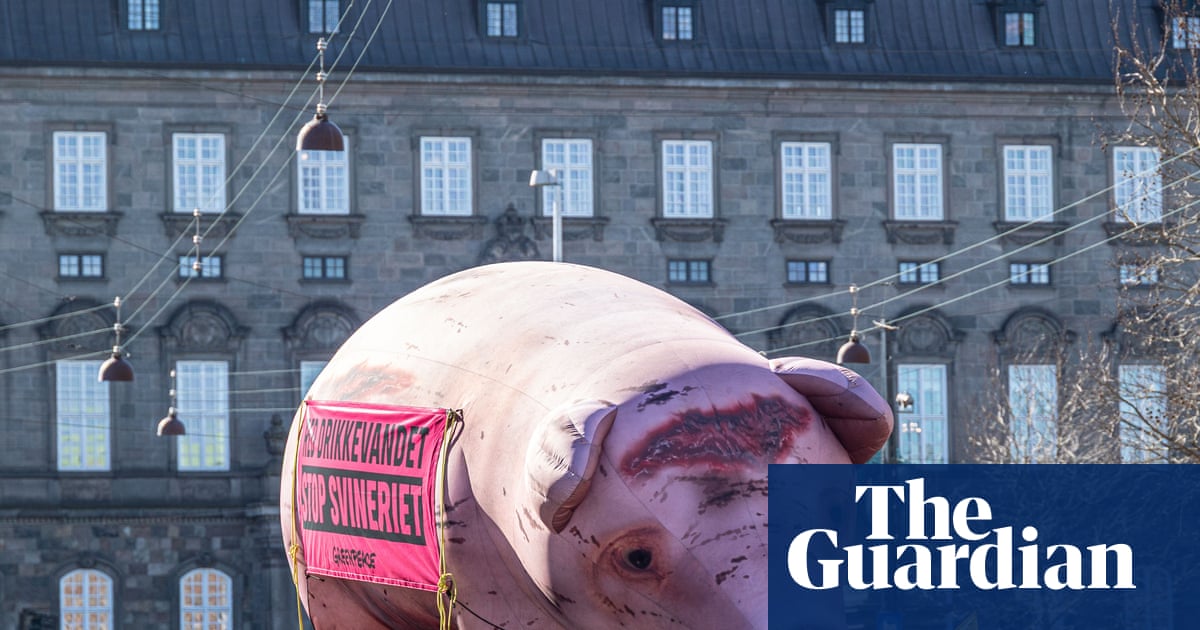
What began as an animal welfare push became a wider political fight over industry power, polluted water and rural life. By election time, pig farming had become central enough to force Denmark’s next government to promise change for both people and animals.
A big group of people complained that Denmark’s giant pig farms were hurting animals and dirtying water, like a messy factory leaking into a neighborhood. They kept speaking up until the government had to listen and promise changes.
Analysis
A campaign that changed the agenda
In Denmark, campaigners spent two years pushing pig farming from a niche concern into a national political issue. By the March election, the topic had become so prominent that it was nicknamed the country’s “pig election,” and activists said they had won a broad victory.
The article says the pressure came from animal welfare groups, environmental organisations and local residents. They focused on the scale of Denmark’s industrial pig sector: about 30 million piglets a year in a country with roughly 60,000 human births, plus breeding practices that push sows beyond what their bodies can naturally support. Campaigners linked that system to high piglet deaths, routine tail docking and confinement in farrowing crates.
The cost beyond the farm
The story is not only about animals. The article argues that pig production also affects land use and water quality. Nearly a quarter of Denmark’s land is used to grow feed for pigs, and an Aarhus University study found toxic pesticide residues in more than half of drinking-water catchment points. Manure from large farms also leaks nitrates into groundwater.
Aalborg, in the country’s north, has become a symbol of the problem. The municipality sued the Danish state after nitrate levels in surface and groundwater stayed above legal limits for decades, forcing plans for a drinking-water treatment plant that would cost DKr1.1bn over 30 years.
Political pressure finally lands
The campaign’s leverage came from media exposure, including newspaper coverage, TV documentaries and an undercover book, plus a citizens’ initiative that quickly reached the 50,000 signatures needed to trigger a parliamentary debate. Polling later showed 53% of Danes saying animal welfare would definitely affect their vote. That helped set the stage for Frederiksen’s coalition to promise reforms that explicitly included “the animals,” signaling that industrial farming is no longer politically untouchable.
Key points
- Campaigners turned pig farming into a central election issue in Denmark.
- The new government promised reforms for both people and animals.
- The article links intensive pig production to animal welfare abuse and water pollution.
- Aalborg has sued the state over long-running nitrate contamination.
- Public pressure grew through documentaries, reporting and a citizens' initiative.
If the promised overhaul is carried out, Denmark could reduce animal suffering and ease pressure on drinking water and local communities. The article suggests the issue has already gained enough public support to keep political pressure on the government.
The reforms could stall if industrial farming interests keep their influence and the government moves slowly. The article also shows that some harms, like nitrate pollution and water treatment costs, have been building for years and may be hard to undo quickly.