How Compact Nuclear Microreactors Could Reshape Energy Infrastructure
Utah partnered with Deployable Energy Limited to explore deploying compact nuclear microreactors across the state. The Office of Energy Development signed a memorandum of understanding examining how 1 megawatt Unity Nuclear Batteries might integrate into Utah’s broader en…
Intelligence analysis by Llama
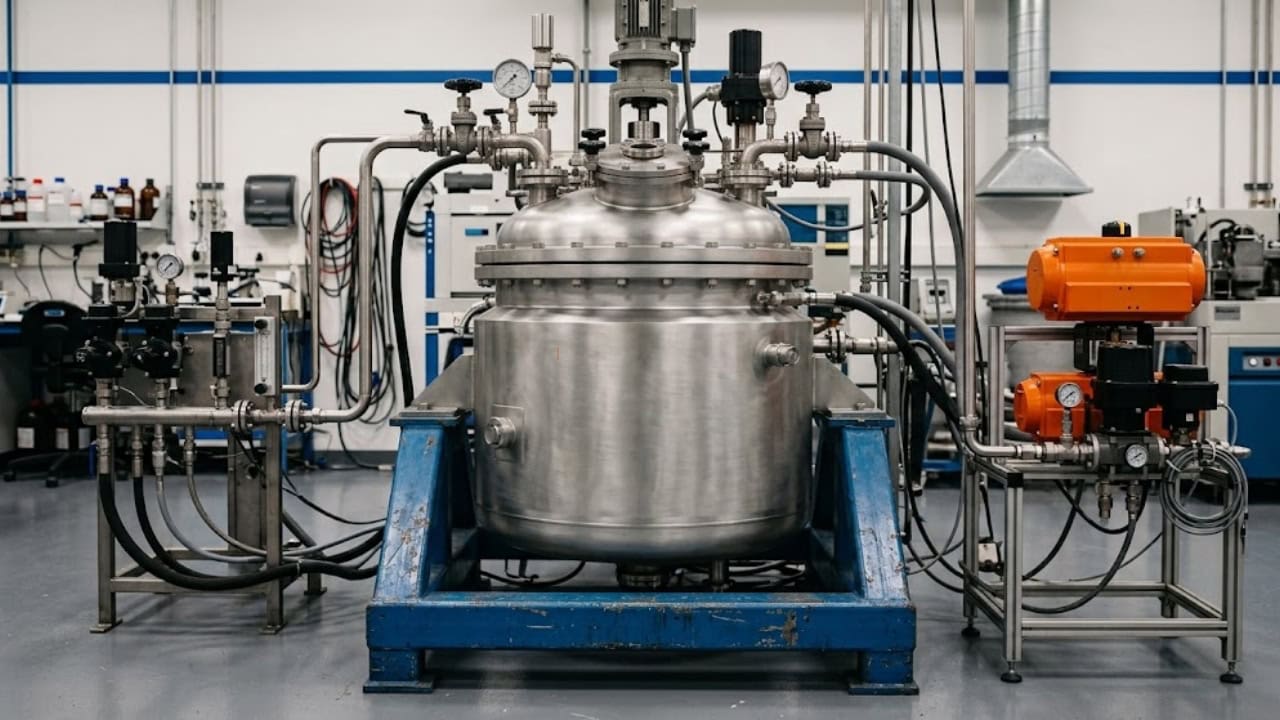
Utah is exploring the deployment of compact nuclear microreactors, specifically the Unity Nuclear Battery, which generates one megawatt electric power and fits inside a standard 20-foot shipping container. This technology has the potential to simplify transportation and deployment logistics, and could be used in remote areas, data centers, and industrial facilities.
Imagine a tiny nuclear power plant that fits inside a shipping container. It can generate enough electricity to power a small town and can be easily transported to where it's needed. This technology has the potential to provide reliable and efficient energy to remote areas and data centers.
Analysis
Unity Nuclear Battery: A Leap in Nuclear Miniaturization
The Unity Nuclear Battery represents a significant leap in nuclear miniaturization. Each reactor generates one megawatt electric power while fitting entirely inside a standard 20-foot shipping container, meaning transportation and deployment logistics become dramatically simpler than traditional nuclear installations.
Modular Design and Scalability
Deployable Energy targets six-month lead times beginning in 2030, which would mark a substantial improvement over conventional reactor construction timelines that typically stretch across years. The modular design allows combining individual reactors into larger arrays, power generation scenarios can scale from hundreds to thousands of units depending on regional energy demands.
Flexibility and Versatility
The reactor supports both liquid and air cooling depending on location requirements, giving operators flexibility across diverse geographic and climate conditions. Thermal output also provides process heat applications, meaning liquid cooling variants can supply heat for industrial processes while air cooling options suit locations where water access remains limited.
Key points
- Utah partnered with Deployable Energy Limited to explore deploying compact nuclear microreactors across the state.
- The Office of Energy Development signed a memorandum of understanding examining how 1 megawatt Unity Nuclear Batteries might integrate into Utah’s broader energy infrastructure.
- The Unity Nuclear Battery represents a significant leap in nuclear miniaturization and can generate one megawatt electric power while fitting inside a standard 20-foot shipping container.
- Deployable Energy targets six-month lead times beginning in 2030, which would mark a substantial improvement over conventional reactor construction timelines.
- The modular design allows combining individual reactors into larger arrays, power generation scenarios can scale from hundreds to thousands of units depending on regional energy demands.
If this technology is successfully deployed, it could provide a reliable and efficient source of energy for remote areas and data centers. It could also create new job opportunities in the energy sector and stimulate economic growth in Utah and beyond.
However, there are also potential risks associated with the deployment of compact nuclear microreactors. For example, there may be concerns about safety and security, particularly if the technology is not properly regulated. Additionally, the deployment of these reactors could also lead to increased costs for energy consumers and potentially disrupt the existing energy market.