How England’s largest forest went from commodity to conservation haven
Kielder has evolved from a timber plantation into a mixed-use forest that still produces wood while restoring peatland and wildlife.
Intelligence analysis by GPT-5.4 Mini
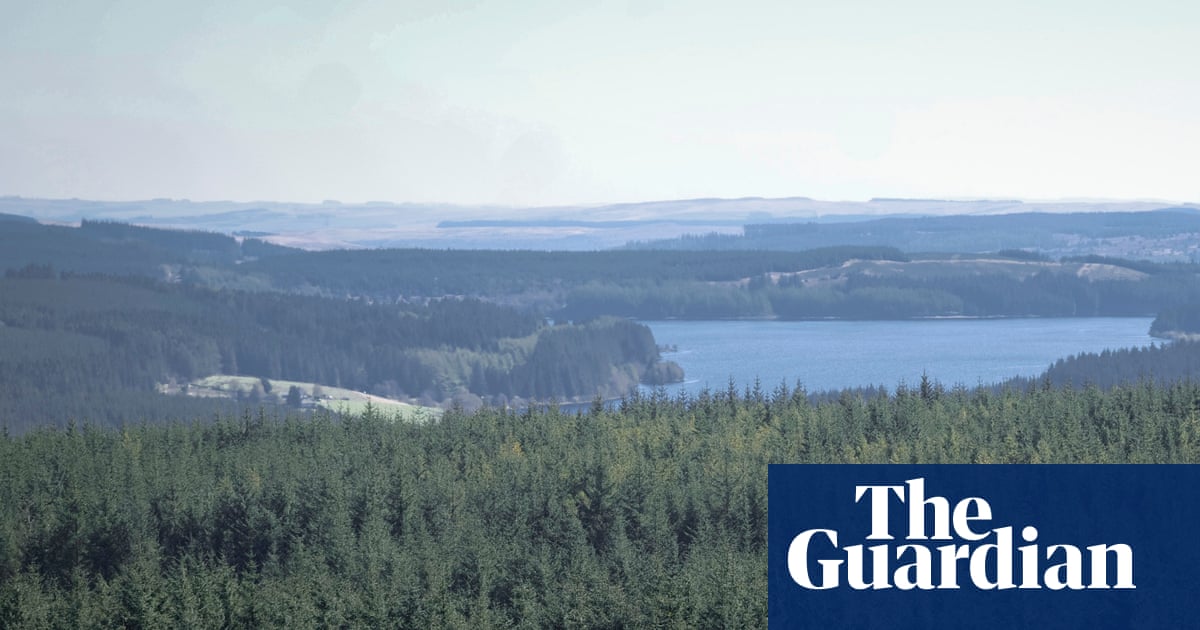
Kielder began as a state project to rebuild timber supplies after World War I. A century later, Forestry England is treating it as both a commercial forest and a conservation landscape, with habitat restoration, peatland repair, and species recovery alongside timber production.
Kielder is like a giant tree farm that learned extra jobs. It still grows wood, but it also protects wet ground, birds, and small animals, so the forest can help people and nature at the same time.
Analysis
From timber reserve to mixed use
Kielder in Northumberland started as a strategic answer to Britain’s low woodland cover and timber shortage after the First World War. The Forestry Commission planted trees there from 1926 onward to rebuild timber reserves, and the forest eventually grew into a vast 60,000-hectare landscape.
Over time, the forest’s purpose broadened. By the 1960s, managers were starting to think beyond timber alone and to value the site for wildlife habitat and carbon storage. That shift has become central to how Kielder is run today. It is still a forestry plantation, but it is no longer treated as a single-purpose commercial block.
Conservation and resilience
The article says the team is planting a wider mix of tree species, restoring peatland bogs, and creating wildlife corridors near waterways. A 6,000-hectare area is being set aside as "wild Kielder" for conservation. The forest already supports birds such as ospreys, goshawks, and kestrels, as well as water voles, otters, and what is thought to be half of England’s remaining red squirrel population.
The peatland work is especially important. Kielder contains 10,000-year-old peatland that stores more carbon than all the trees in the forest combined. Where drainage once dried out peat for planting, teams are now blocking old channels to raise the water table again. More than 50,000 metres of drainage have already been blocked. The goal is to keep the peat wet, protect specialist plants like sphagnum moss, and prevent stored carbon from being released.
The economic angle is not just timber output. Forestry England is also thinking about long-term resilience. The article notes that climate change makes forests more vulnerable to pests and disease, and that tree species chosen now may not be the right ones in a century. Kielder is being managed as a working forest, but one that must also serve as a carbon sink, a habitat network, and a more durable public asset.
Key points
- Kielder began as a state-led timber plantation after Britain’s woodland cover fell to 5% in the First World War era.
- The forest is now managed for both timber production and conservation, rather than single-use commercial output.
- Forestry England is planting more diverse tree species and creating wildlife corridors, including a 6,000-hectare conservation area called wild Kielder.
- The peatland beneath the forest is a major carbon store, and restoration work has already blocked more than 50,000 metres of drainage.
- The forest’s managers say climate change makes resilience more important because disease and pests can damage both economic value and wildlife habitat.
If the current approach works, Kielder could keep producing timber while becoming a stronger home for wildlife and a better store of carbon. The new tree mix, peatland restoration, and wildlife corridors could also make the forest more resilient as the climate changes.
The article also shows real risks: disease, pests, and climate stress could hit commercial forests hard if the wrong species are planted or if conditions change too quickly. If peatland restoration stalls, drained areas could keep releasing carbon instead of locking it away.