How far can Iran continue the war?
Months into the conflict, Iran has lost part of its military capacity and faces growing economic strain, yet decision-makers in Tehran are still acting as if they are in no rush to end the war.
Intelligence analysis by Llama
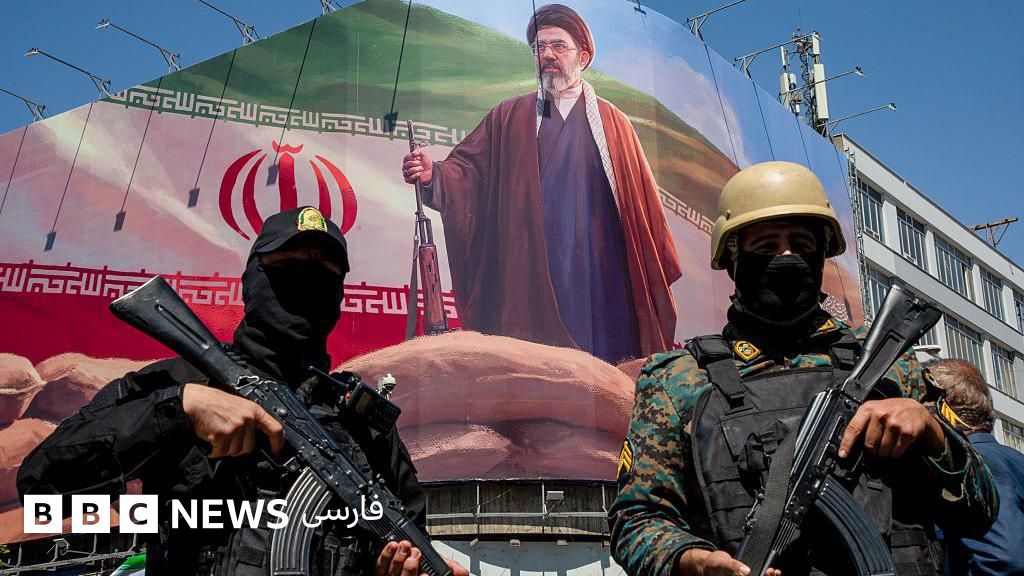
Iran continues firing missiles and drones, treats the Strait of Hormuz as a key pressure point, and rejects pauses in fighting on terms set by Washington alone, suggesting a strategy of stretching the conflict rather than seeking quick closure.
Imagine two kids in a snowball fight. One kid has a big pile of snow but is getting tired, while the other has fewer snowballs but is trying to drag the fight out so the first kid gets exhausted and gives up something. Iran, the article says, is acting like that second kid, betting that if the war goes on long enough and costs the US a lot, Washington will agree to some of Iran's demands.
Analysis
Tehran's calculus: bleeding Washington's war chest
According to the article, Iran's leaders are not merely reacting to US strikes but appear to be playing a deliberate strategy of attrition. The piece cites Mohammad Ghaedi, a lecturer at George Washington University, who argues that Tehran's bet is that resilience, combined with rising costs on the American side, will eventually push Washington toward accepting some of Iran's demands. Those costs include the depletion of US missile-defense interceptors, high interception costs, the effect of the war on oil prices, and US domestic political pressure. If this reading is correct, Tehran's goal is not a battlefield defeat of the United States but rather to make the war expensive and politically unsustainable — a textbook "cost-imposing" strategy that converts Iranian endurance into leverage, even as Iran's own arsenal thins.
Arsenal arithmetic: what Iran still has
The article draws on US intelligence assessments reported by CNN in early April, which suggested that roughly half of Iran's missile launchers remained intact and that Tehran still possessed thousands of attack drones. Behnam Ben Taleblou, a senior researcher at the Foundation for Defense of Democracies, tells BBC Persian that while strikes have limited Iran's future production capacity by targeting defense-industry infrastructure, a large portion of the existing stockpile, drawn from underground storage, remains untouched. He notes, however, that launch waves have become smaller over time, indicating Iran knows resupply is constrained. Meanwhile, Ghaedi observes that cruise missiles and drones are easier and faster to replace than ballistic missiles, that killed commanders have been substituted, and that command structures remain functional. Crucially, Iran retains the ability to disrupt the Strait of Hormuz.
Hormuz, oil, and the economic fault line
Beyond missiles, the article highlights the Strait of Hormuz as perhaps Iran's strongest remaining lever. Earlier sections note rising energy prices and the cost of US military presence in the region as factors feeding into Tehran's calculation that prolongation serves its interests. The piece flags that Iran already faced high inflation, a weakening rial, low investment, and broad fiscal imbalances before the war began — with World Bank projections for fiscal year 2025-26 referenced but truncated in the available text. The economic section is cut off before completion, suggesting the full fragility of Iran's war-finance picture is not yet disclosed in the published portion. What is clear is that military capacity and economic endurance are running on different clocks: Iran's missiles may last longer than its economy can politically absorb a continued wartime footing.
Key points
- CNN reported in early April, citing US intelligence, that roughly half of Iran's missile launchers remained intact and Tehran had thousands of attack drones.
- Behnam Ben Taleblou of the Foundation for Defense of Democracies says a large portion of Iran's existing stockpile is intact but launch waves have shrunk, signaling awareness of resupply limits.
- Mohammad Ghaedi of George Washington University identifies three war-sustaining factors: retaining political and military leadership, missile/drone production, and Hormuz disruption capability.
- Iran's Hormuz leverage and rising US interception, energy, and political costs underpin Tehran's strategy of making war expensive rather than seeking quick closure.
- Iran entered the war with high inflation, weak rial, low investment, and broad fiscal imbalances, with World Bank projections for FY2025-26 cited but cut off in the available article.
If the war drags on long enough and imposes enough military, economic, and political costs on the United States, Tehran could potentially extract partial concessions from Washington without achieving a battlefield victory, validating its strategy of attrition outlined in the article.
With Iran's economy already weakened by inflation, a depreciating rial, and fiscal imbalances before the war, prolonged conflict could push domestic tensions past the point the regime can manage, even if missiles and drones remain available.


