How Korean Skincare Pakistan Created Pakistan’s First Direct-From-Seoul K‑Beauty Supply Chain
Pakistan’s appetite for Korean skincare has grown rapidly, driven by K-drama culture, social media, and a generation of ingredient-savvy consumers. However, few buyers understand the journey products take before reaching their shelves. This feature explores how one compan…
Intelligence analysis by Llama
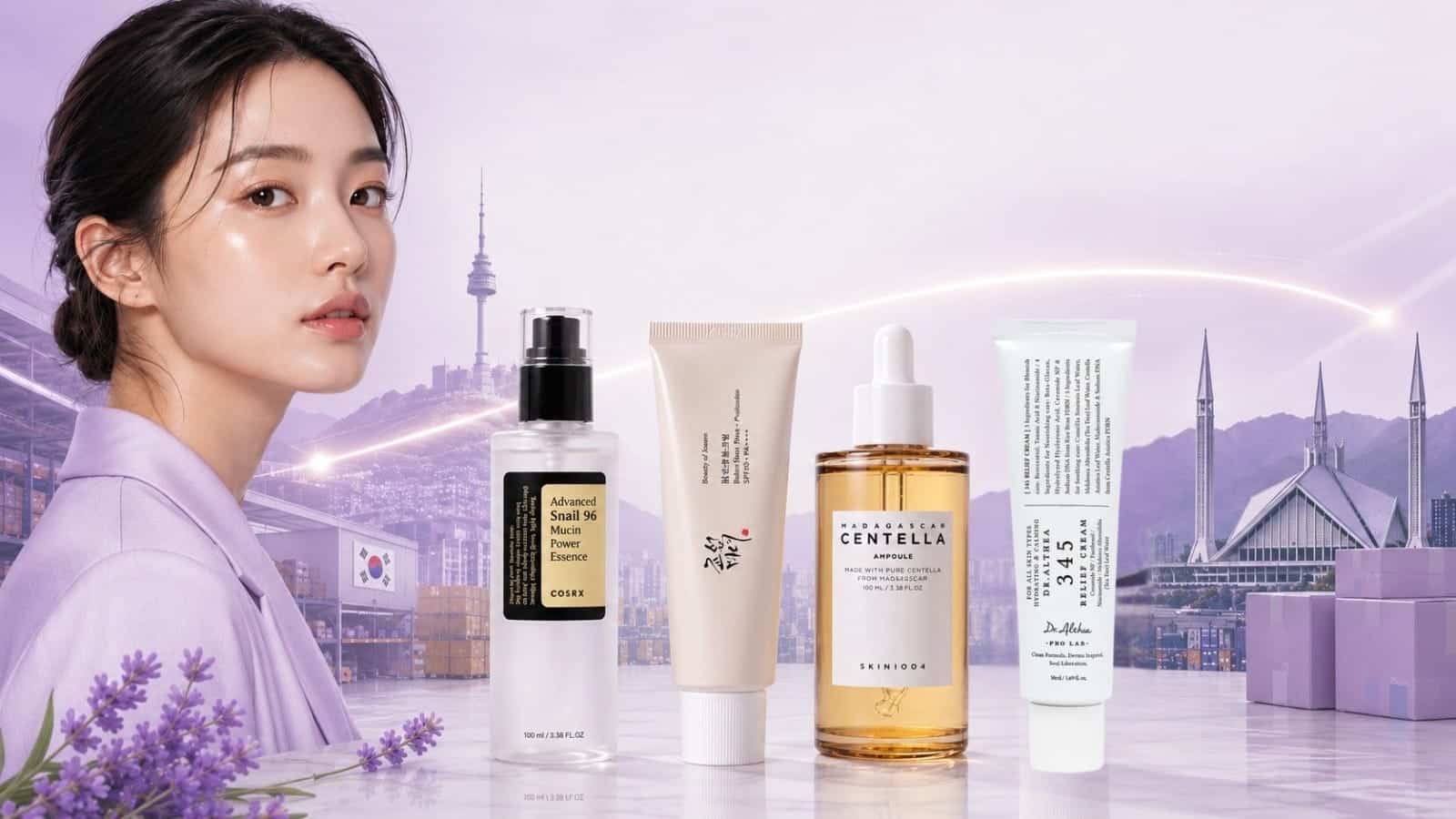
Korean Skincare Pakistan, a Seoul-headquartered retailer, has delivered over 50,000 orders from its Seoul warehouse to customers across Pakistan, building what appears to be the country’s first fully direct-from-manufacturer K-Beauty supply chain.
Imagine you really like a certain brand of Korean skincare products. But when you buy them online, they might have been sitting in a warehouse for a year before they reach you. That's not very fresh! A company called Korean Skincare Pakistan is trying to change this by sending products directly from Seoul to Pakistan. This way, you can get the products you want, when you want them, and they'll be super fresh.
Analysis
A $60B Vote of Confidence
Korean Skincare Pakistan, a Seoul-headquartered retailer, has delivered over 50,000 orders from its Seoul warehouse to customers across Pakistan, building what appears to be the country’s first fully direct-from-manufacturer K-Beauty supply chain. The model sidesteps regional distributors entirely and delivers batch-verified products to doorsteps across Pakistan within five to seven business days, with Cash on Delivery included.
This development has significant implications for the future of K-Beauty retail in Pakistan. The country’s cosmetics import bill is projected to reach approximately 275 million US dollars by 2026, and Korean beauty represents one of the fastest-growing subcategories within that figure. Google search interest for Korean skincare brands in Pakistan has grown by more than 300 per cent since 2022.
Why Cursor?
Most Korean beauty products available in Pakistan follow a multi-hop distribution model: manufactured in Seoul, sold to a regional distributor in the Gulf, Singapore, or southern China, held in a bonded warehouse for weeks or months, resold to a secondary wholesaler, and eventually listed on a Pakistani marketplace or imported by a local reseller. By the time a product reaches a buyer in Karachi or Islamabad, it may have spent a year in transit and storage—a timeline that matters enormously for a category built around active ingredients like vitamin C, retinal, and fermented extracts that degrade outside narrow storage conditions.
The Road Ahead
Korean Skincare Pakistan’s direct supply chain model has the potential to revolutionize the K-Beauty retail landscape in Pakistan. By cutting out regional distributors and delivering products directly from Seoul, the company can ensure that products are fresh, authentic, and meet the high standards of Pakistani consumers. As the market continues to grow, it will be interesting to see how other retailers respond to this new model and whether they can replicate Korean Skincare Pakistan’s success.
Key points
- Korean Skincare Pakistan has delivered over 50,000 orders from its Seoul warehouse to customers across Pakistan.
- The company’s direct supply chain model sidesteps regional distributors entirely and delivers batch-verified products to doorsteps across Pakistan within five to seven business days, with Cash on Delivery included.
- The model has significant implications for the future of K-Beauty retail in Pakistan, where the cosmetics import bill is projected to reach approximately 275 million US dollars by 2026.
- Most Korean beauty products available in Pakistan follow a multi-hop distribution model, which can lead to products being stored for extended periods of time and losing their freshness and authenticity.
If Korean Skincare Pakistan’s direct supply chain model continues to grow, it could lead to a more transparent and authentic K-Beauty retail landscape in Pakistan. This could also lead to increased consumer trust and loyalty, as well as a more competitive market for retailers.
However, there are also potential risks associated with this model. For example, if the company is unable to maintain its high standards of quality and authenticity, it could damage its reputation and lead to a loss of consumer trust. Additionally, the company may face challenges in scaling its operations to meet the growing demand for K-Beauty products in Pakistan.