How Moderna's Melanoma mRNA Vaccine Could Fight Deadliest Skin Cancer
Moderna's experimental melanoma vaccine has shown promising results in a Phase 3 trial, helping patients with advanced melanoma stay cancer-free longer. The vaccine uses a patient's own tumor to create a personalized mRNA treatment.
Intelligence analysis by Llama
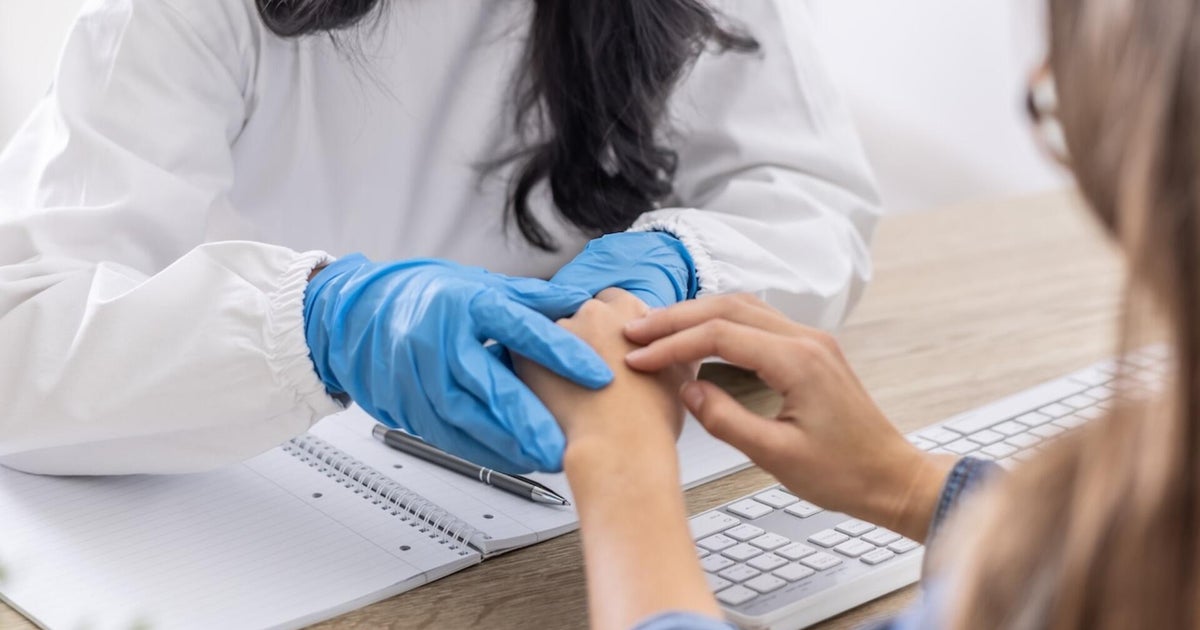
Moderna's melanoma mRNA vaccine has shown statistically significant improvement in helping patients with advanced melanoma stay cancer-free longer. The vaccine uses a patient's own tumor to create a personalized mRNA treatment.
Imagine giving a scent to a bloodhound so it can find and kill cancer cells. That's what this new vaccine does - it trains the immune system to recognize and attack cancer cells, making it a powerful tool in the fight against melanoma.
Analysis
Melanoma Vaccine Breakthrough: A New Hope for Cancer Patients
Moderna's experimental melanoma vaccine has made significant strides in its Phase 3 trial, offering a glimmer of hope for patients with this deadly form of skin cancer. The vaccine, which uses a patient's own tumor to create a personalized mRNA treatment, has shown statistically significant improvement in helping patients with advanced melanoma stay cancer-free longer.
The trial, which involved over 1,100 patients, found that those who received the mRNA vaccine in combination with Merck's cancer immunotherapy drug Keytruda had a higher rate of cancer-free survival compared to those who only received Keytruda. This breakthrough could lead to a new treatment option for patients with melanoma, a disease that affects thousands of people in the US each year.
The vaccine works by delivering synthetic mRNA into cells, which trains the immune system to attack cancer cells. This is a significant advancement in cancer treatment, as it allows for a personalized approach that targets the unique mutations present in each patient's tumor.
The results of this trial are a testament to the power of mRNA vaccines in cancer treatment. With this breakthrough, we may be one step closer to finding a cure for melanoma.
The Science Behind the Vaccine
The melanoma vaccine works by using a patient's own tumor to create a personalized mRNA treatment. This is achieved by analyzing the tumor to identify the unique mutations present, and then using artificial intelligence to determine which mutations should be included in the vaccine. The vaccine is then delivered to the patient, who receives a personalized dose based on their unique genetic sequence.
The vaccine delivers a 'one-two punch' to melanoma, first removing the cloak of invisibility that cancer cells use to evade the immune system, and then training the immune system to attack cancer cells. This is a significant advancement in cancer treatment, as it allows for a targeted approach that attacks the specific mutations present in each patient's tumor.
The Future of Cancer Treatment
This breakthrough has significant implications for the future of cancer treatment. With the ability to create personalized mRNA vaccines, we may be able to develop more effective treatments for a range of cancers. This could lead to improved patient outcomes and increased survival rates.
However, more research is needed to fully understand the potential of this treatment. Further trials will be necessary to confirm the results of this study and to determine the optimal dosage and administration of the vaccine.
Key points
- Moderna's experimental melanoma vaccine has shown promising results in a Phase 3 trial.
- The vaccine uses a patient's own tumor to create a personalized mRNA treatment.
- The trial found that patients who received the mRNA vaccine in combination with Merck's cancer immunotherapy drug Keytruda had a higher rate of cancer-free survival compared to those who only received Keytruda.
- The vaccine works by delivering synthetic mRNA into cells, which trains the immune system to attack cancer cells.
- This breakthrough could lead to a new treatment option for patients with melanoma, a disease that affects thousands of people in the US each year.
This breakthrough could lead to a new treatment option for patients with melanoma, a disease that affects thousands of people in the US each year. With further research and development, we may be able to develop more effective treatments for a range of cancers, leading to improved patient outcomes and increased survival rates.
However, more research is needed to fully understand the potential of this treatment. Further trials will be necessary to confirm the results of this study and to determine the optimal dosage and administration of the vaccine. If the vaccine is not effective in further trials, it could be a setback for cancer treatment.