How some Singapore government agencies became the country's most engaging social media creators
Singapore government agencies like the Singapore Police Force, Singapore Tourism Board, and MINDEF have become some of the country's most engaging social media creators, racking up millions of views with trend-driven content.
Intelligence analysis by Llama
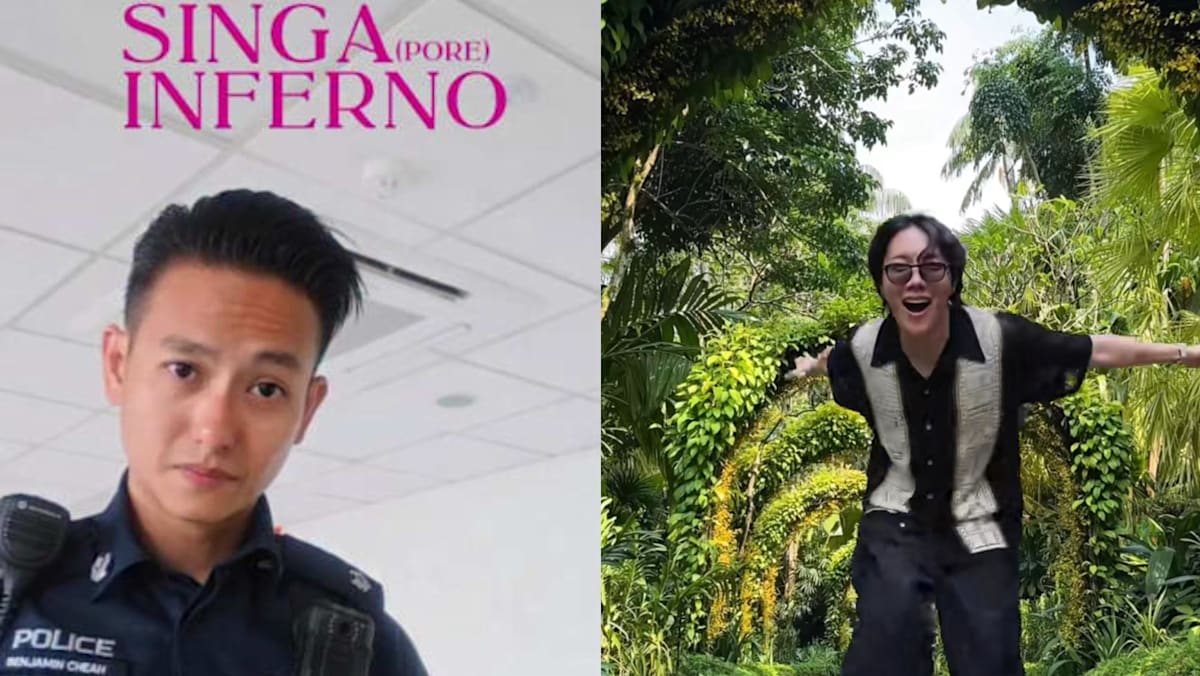
Once reliant on advisories and press releases, Singapore government agencies are now among the country's most viral content creators. The SPF, STB, and even fire stations have embraced memes, dance trends, and celebrity tie-ins to reach younger audiences — redefining what government communication looks like.
Singapore's government offices used to only send out serious notices. Now the police, tourism board, and even fire stations post funny dance videos and celebrity clips online — and millions of people watch them, just like a popular YouTuber would.
Analysis
From Press Releases to TikTok Dances
For decades, government communication in Singapore meant stern press releases, scripted advisories, and the occasional newspaper advertisement. That template has been quietly dismantled. The article highlights how the Singapore Police Force's social media presence now includes viral-style videos, the Tampines Fire Station's Instagram page is best known for a 17-million-view clip of firefighters dancing to the Moai La La La trend, and MINDEF recently rode Usher's Hey Daddy (Daddy's Home) trend with a multi-country officials video that crossed a million views in two months. These are not flukes but the visible output of a deliberate shift toward trend-driven storytelling. The common thread is an acceptance that authority is no longer conveyed by tone alone — it has to compete for attention in the same feed as influencers and entertainment creators.
The Teams Behind the Trend
The pivot is not improvised. At the Singapore Tourism Board, director of marketing activation Georgina Koh told CNA Lifestyle that the agency "regularly reviews and evolves its social media approach, based on audience behaviour and platform insights," framing the goal as inspiring travel rather than appearing youthful for its own sake. Inside the SPF, the work is owned by a dedicated New Media team within the Public Affairs Department, led by Superintendent of Police Ricky Tay. Tay described a progression from "simple posts on Facebook" to "interactive videos and photo content on various platforms such as Instagram and TikTok," explicitly citing the need to keep up with how audiences now consume news. The existence of named units, directors, and assistant directors signals that content is treated as a core communications function rather than a side project.
Walking the Tightrope Between Engagement and Authority
The article points to a recurring tension that any government communicator would recognise. Koh was careful to stress that "the objective is not to appear 'younger'" but to keep content "relevant and engaging" across segments, while Tay noted that humour is used "where appropriate" so that "important safety and security messages reach more people." That balance is the real story behind the viral numbers. Government agencies cannot afford to look out of touch, but they also cannot chase virality at the cost of credibility — a dance trend from a fire station reads as charming, but a misjudged meme from a uniformed service can read as tone-deaf. The agencies featured appear to have built guardrails around brand consistency and mission alignment, even as they experiment with formats that would have been unthinkable for a government account a decade ago.
Key points
- The Singapore Police Force's social media team is now part of its Public Affairs Department, led by Superintendent of Police Ricky Tay.
- A Tampines Fire Station dancing video has racked up over 17 million views, eclipsing traditional rescue content on its page.
- STB says its goal is to 'inspire travel to Singapore' rather than appear younger, citing audience behaviour as the driver of tone changes.
- MINDEF joined the trend with an Usher-soundtracked video featuring officials from several countries, drawing over a million views in two months.
- Agencies stressed that humour is used 'where appropriate,' reflecting a balance between engagement and the seriousness of their public mandates.
If this strategy continues to mature, government agencies could become trusted, approachable information channels for younger Singaporeans, making public safety messages, tourism promotion, and civic updates land more effectively in an era of crowded feeds.
The viral style carries reputational risk: a single misjudged post, meme, or trend could be read as trivialising the agency's core mission, and audiences may eventually tire of government accounts that try to mimic influencer culture, eroding the novelty that currently drives engagement.