How the High Street became a window on our political instability
BBC reporting shows UK High Streets have become hubs for illegal trade, vacancies and organised crime, with knock-on effects on trust and politics.
Intelligence analysis by GPT-5.4 Mini
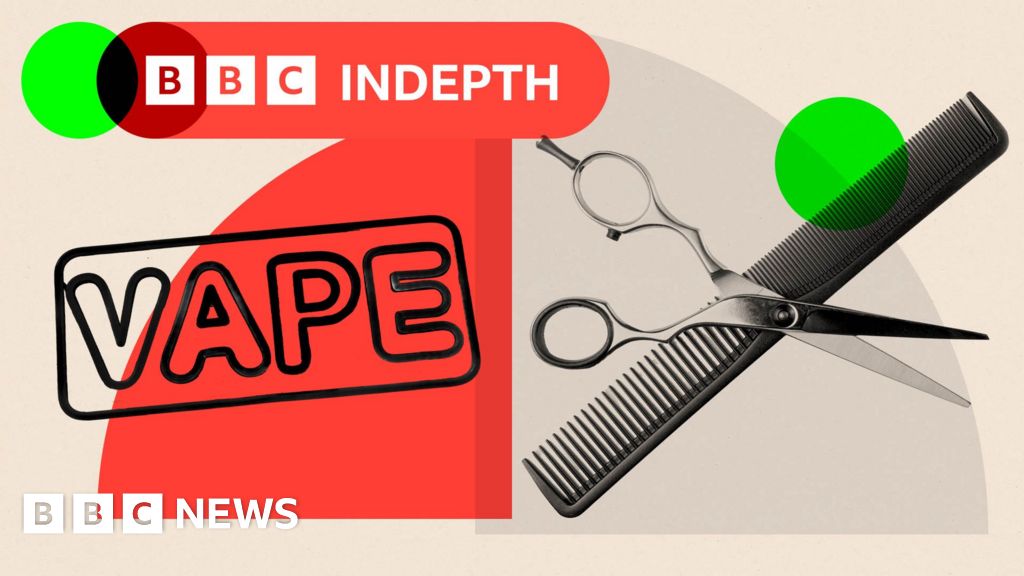
The BBC says the state of Britain’s High Streets now reflects deeper problems: organised crime in cash-heavy shops, weaker enforcement, empty units and a growing sense of public powerlessness that some analysts say is reshaping politics.
The story says some town-centre shops are like costumes hiding bad business, such as illegal cigarettes and money laundering. When empty shops and shady stores pile up, people can feel their town is falling apart, like a playground with broken swings and no grown-ups around.
Analysis
What the BBC found
The article argues that Britain’s High Streets have become a visible stage for a mix of economic strain and criminal activity. BBC reporting across towns including Plymouth, Rochdale, Shrewsbury, Newport, Bradford, Hull and Swansea found evidence of illegal tobacco, counterfeit cigarettes, hidden stockrooms and other schemes tied to organised crime.
Why it has spread
The story points to a simple incentive: cash-heavy shops are easier to misuse for laundering money, and enforcement has been weakened over time. It cites a fall in Trading Standards staffing from 4,260 in 2002 to 2,378 in 2025, alongside the National Crime Agency’s estimate that at least £1bn of criminal cash is laundered through UK High Street stores each year.
The BBC also says Freedom of Information requests showed more than 3,600 shops across the UK had illegal goods seized in 2024-25. That includes counterfeit cigarettes, tobacco and vapes. In some places, the criminal activity is not hidden at all: the article describes underground tunnels, “stash cars” and shops fronted by hidden owners.
The political angle
The article’s larger argument is that empty shops and visible criminality do more than hurt retail. They can make people feel that local life is out of control. Analysts quoted in the piece say that sense of powerlessness has become politically potent, and that High Street decay can feed support for parties that present themselves as outsiders.
The BBC says analysis found Reform UK support was higher in the 100 places in England with the biggest increases in persistent High Street vacancy, based on parliamentary seats they won or came second in. The article uses that finding to frame the High Street as a kind of crack in the mirror: a place where weak growth, inequality, online shopping and crime all show up at once.
Key points
- BBC reporting found illegal tobacco, counterfeit cigarettes and vapes seized from more than 3,600 UK shops in 2024-25.
- The National Crime Agency estimates that at least £1bn of criminal cash is laundered through UK High Street stores each year.
- Trading Standards staffing has fallen sharply since 2002, weakening the response to retail crime and consumer abuse.
- Analysts say visible High Street decline creates a sense of powerlessness that can influence politics.
- BBC-linked analysis found Reform UK support was higher in areas with the biggest rises in persistent High Street vacancy.
If police and Trading Standards get more support, more illegal shops could be pushed out of sight and the feeling of risk on local High Streets could ease. Cleaner shopfronts and fewer empty units could help bring back trust and footfall.
If enforcement stays weak, criminal businesses may keep using High Streets as fronts for laundering and illegal sales. Continued vacancy and visible lawbreaking could deepen the public sense of powerlessness and keep feeding political anger.