How to Sideload Android APKs on Your Chromebook
You can sideload Android APKs on your Chromebook, but you do this at your own risk. Google hasn't verified apps outside of the Play Store. To sideload an app, you can use Android Debug Bridge (ADB) or Android Studio. First, enable Linux on your Chromebook and set up ADB d…
Intelligence analysis by Llama
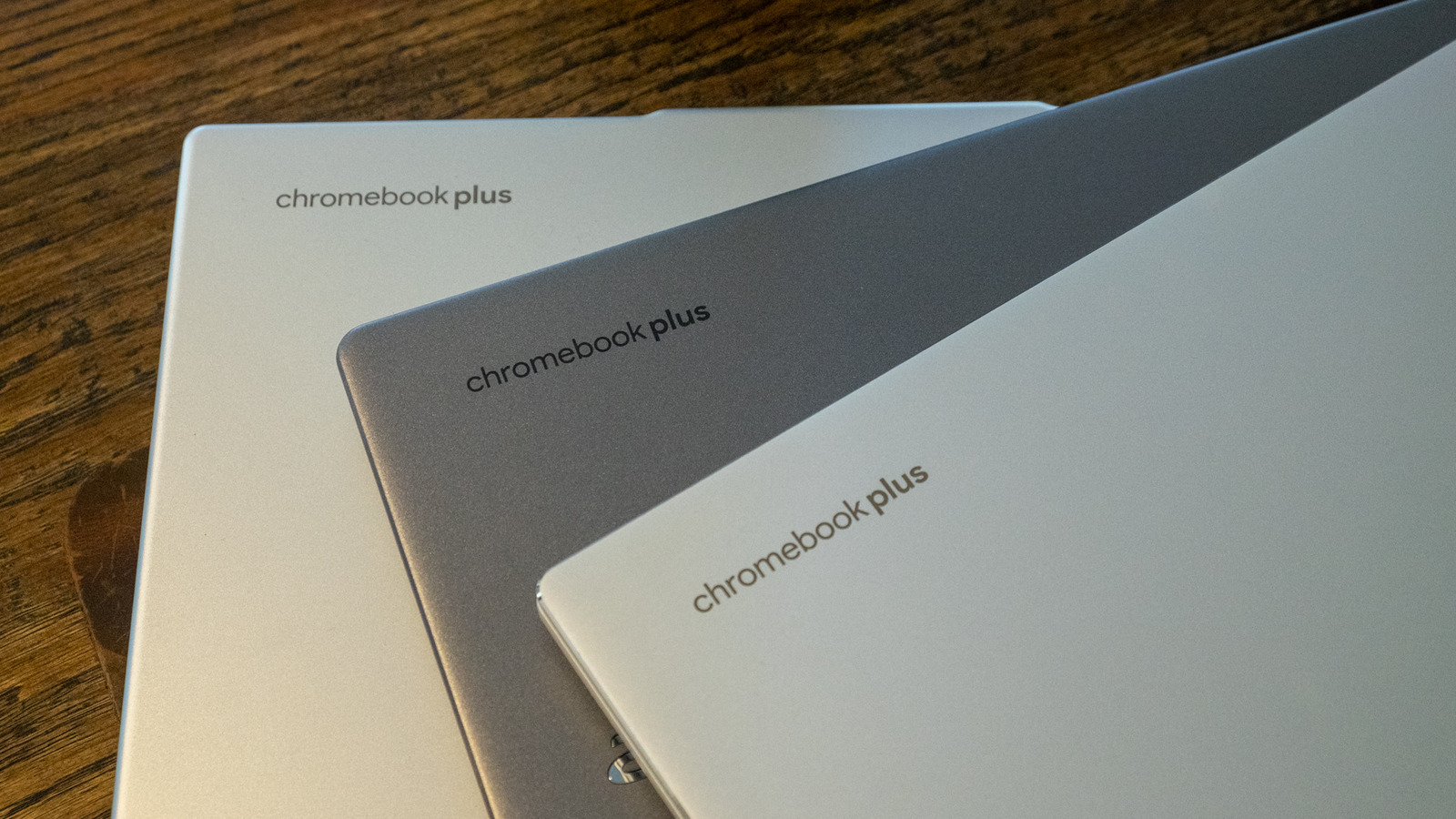
You can sideload Android APKs on your Chromebook, but you need to enable Linux and set up ADB debugging first. You can then use Terminal to install the APK or use Android Studio to run the APK in an emulator.
You can sideload Android APKs on your Chromebook, but you need to be careful. It's like downloading a file from the internet, but instead of a picture or a document, it's an app. You need to make sure the app is safe and won't hurt your Chromebook. You can use a tool called Android Studio to help you sideload the app. It's like a special kind of software that helps you install the app on your Chromebook.
Analysis
A $60B Vote of Confidence
The Chromebook market has seen significant growth in recent years, with sales reaching $60 billion in 2025. This growth has led to an increase in the number of Chromebooks available in the market, offering users a wide range of options to choose from. However, the Chromebook market is not without its challenges. One of the major challenges facing Chromebook manufacturers is the need to balance the cost of production with the need to offer high-quality devices that meet the needs of users. To address this challenge, many Chromebook manufacturers have turned to sideloading Android APKs as a way to offer users more flexibility and functionality. Sideloaded APKs can offer users access to a wide range of apps that are not available on the Play Store, including games, productivity apps, and more. However, sideloading APKs also comes with risks. Google has not verified apps outside of the Play Store, which means that users may be exposing themselves to malware and other security risks. To mitigate these risks, users need to be cautious when sideloading APKs and only download apps from trusted sources. In addition to the risks associated with sideloading APKs, there are also technical challenges to consider. One of the major technical challenges facing Chromebook users is the need to enable Linux on their device in order to sideload APKs. This can be a complex process, especially for users who are not familiar with Linux. However, there are also tools available that can make the process easier. For example, Android Studio offers a range of tools and features that can help users to sideload APKs and run them in an emulator. Overall, sideloading APKs on a Chromebook can offer users more flexibility and functionality, but it also comes with risks and technical challenges. Users need to be cautious when sideloading APKs and only download apps from trusted sources. They also need to be aware of the technical challenges involved and take steps to mitigate them. By following the steps outlined in this article, users can sideload APKs safely and effectively, and enjoy the benefits of a more flexible and functional Chromebook experience.
Why Cursor?
One of the major advantages of sideloading APKs on a Chromebook is the ability to access a wide range of apps that are not available on the Play Store. This can be especially useful for users who want to access apps that are not available on the Play Store, such as games or productivity apps. However, the process of sideloading APKs can also be complex and time-consuming. To make the process easier, users can use tools such as Android Studio, which offers a range of tools and features that can help users to sideload APKs and run them in an emulator. In addition to the technical challenges involved in sideloading APKs, there are also risks associated with the process. Google has not verified apps outside of the Play Store, which means that users may be exposing themselves to malware and other security risks. To mitigate these risks, users need to be cautious when sideloading APKs and only download apps from trusted sources. By following the steps outlined in this article, users can sideload APKs safely and effectively, and enjoy the benefits of a more flexible and functional Chromebook experience.
The Road Ahead
The Chromebook market is expected to continue growing in the coming years, with sales reaching $80 billion by 2027. This growth is expected to be driven by the increasing demand for Chromebooks in the education and enterprise sectors. However, the Chromebook market is not without its challenges. One of the major challenges facing Chromebook manufacturers is the need to balance the cost of production with the need to offer high-quality devices that meet the needs of users. To address this challenge, many Chromebook manufacturers have turned to sideloading Android APKs as a way to offer users more flexibility and functionality. Sideloaded APKs can offer users access to a wide range of apps that are not available on the Play Store, including games, productivity apps, and more. However, sideloading APKs also comes with risks. Google has not verified apps outside of the Play Store, which means that users may be exposing themselves to malware and other security risks. To mitigate these risks, users need to be cautious when sideloading APKs and only download apps from trusted sources. By following the steps outlined in this article, users can sideload APKs safely and effectively, and enjoy the benefits of a more flexible and functional Chromebook experience.
Key points
- You can sideload Android APKs on your Chromebook, but you need to be careful.
- Google has not verified apps outside of the Play Store, which means that users may be exposing themselves to malware and other security risks.
- To sideload APKs, you need to enable Linux on your Chromebook and set up ADB debugging.
- You can use tools such as Android Studio to help you sideload APKs and run them in an emulator.
- The Chromebook market is expected to continue growing in the coming years, with sales reaching $80 billion by 2027.
The Chromebook market is expected to continue growing in the coming years, with sales reaching $80 billion by 2027. This growth is expected to be driven by the increasing demand for Chromebooks in the education and enterprise sectors. As a result, Chromebook manufacturers are likely to continue innovating and offering more features and functionality to users. This could include the development of new apps and services that are not available on the Play Store, which could be made possible by sideloading APKs. Additionally, the growth of the Chromebook market could lead to increased investment in the development of new technologies and features, such as improved security and performance. Overall, the future of the Chromebook market looks bright, with many opportunities for innovation and growth.
The Chromebook market is not without its challenges. One of the major challenges facing Chromebook manufacturers is the need to balance the cost of production with the need to offer high-quality devices that meet the needs of users. This could lead to a decrease in the quality of devices, which could negatively impact user experience. Additionally, the growth of the Chromebook market could lead to increased competition, which could result in lower prices and reduced profit margins for manufacturers. This could make it more difficult for manufacturers to invest in research and development, which could negatively impact the quality and features of devices. Overall, while the Chromebook market has many opportunities for growth and innovation, it also faces significant challenges that could negatively impact user experience.


