How World Cup star Haaland helped put Norway on the map with China’s tourists
Norwegian football star Erling Haaland's rising popularity in China, amplified by his advertising and social media presence, is significantly boosting Chinese tourist interest in Norway, making it a top non-European destination.
Intelligence analysis by Gemini 2.5 Flash
World Cup sensation Erling Haaland has become a major draw for Chinese tourists to Norway, with his celebrity status and marketing efforts complementing the country's natural beauty. This surge in interest, particularly among younger demographics, has led to a substantial increase in Chinese overnight stays, positioning China as Norway's second-largest non-European tourism market.
Imagine a famous superhero who is super good at kicking balls. When this superhero, Haaland, shows up in ads and on social media, lots of kids in China get excited about where he comes from, Norway! So, they tell their families they want to visit Norway to see the beautiful places and maybe feel closer to their hero, making Norway a very popular travel spot.
Analysis
Haaland's Unforeseen Tourism Catalyst
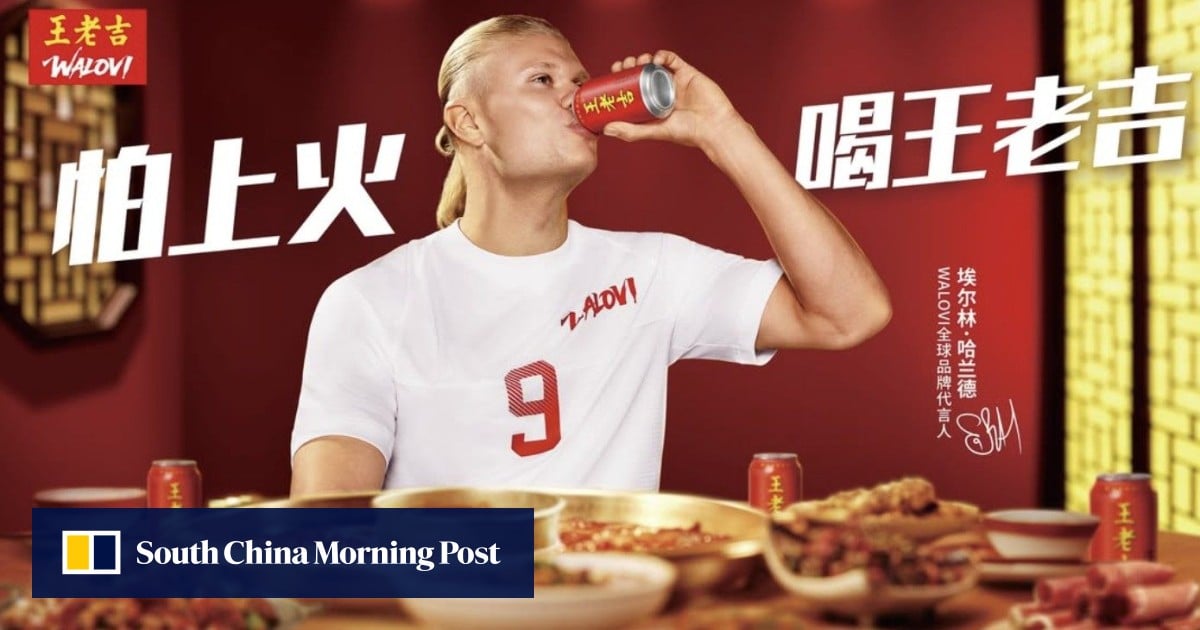
The surge in Chinese tourist interest in Norway, significantly propelled by football star Erling Haaland, exemplifies a modern phenomenon where individual celebrity transcends traditional marketing efforts to drive national appeal. Haaland, a prominent figure in global football, has leveraged his widespread recognition in China through herbal drink advertisements and active social media engagement. This strategic visibility has transformed him into an unexpected ambassador for his home country, drawing attention to Norway's scenic beauty and cultural offerings among a crucial demographic.
This development underscores the evolving dynamics of international tourism, where digital influence and personal branding play an increasingly vital role. The article highlights that while Norway's natural allure remains a primary draw, Haaland's "social-media stagecraft" has amplified this appeal, particularly among younger Chinese travelers and avid football fans. This targeted engagement demonstrates how cultural icons can bridge geographical distances and foster a sense of connection, translating into tangible economic benefits for their nations.
China's Growing Outbound Travel Footprint
China's position as Norway's second-largest source of non-European inbound tourists, trailing only the United States, signals the immense potential of the Chinese outbound travel market. The statistics provided, indicating a substantial increase in Chinese overnight stays—with approximately 392,000 last year and nearly 220,000 in 2024, more than double the 2023 total—underscore a robust recovery and growth trajectory in Chinese international travel. This trend is not merely about numbers; it reflects a broader shift in Chinese consumer preferences towards unique, experience-driven destinations.
The article implicitly suggests that Chinese tourists are increasingly seeking destinations beyond the conventional, with Norway's blend of natural landscapes and now, a celebrity connection, offering a compelling proposition. For China, this diversification of travel destinations reflects a maturing market, where travelers are more informed and influenced by global trends and figures. The economic implications for Norway are considerable, as increased tourism translates into revenue for local businesses, job creation, and enhanced cultural exchange.
The Future of Celebrity-Driven Diplomacy
The case of Erling Haaland and Norway offers a fascinating blueprint for "celebrity diplomacy" in the tourism sector. It illustrates how a nation can indirectly benefit from the global fame of its citizens, especially when those individuals actively engage with key international markets. This approach is cost-effective compared to traditional national tourism campaigns and often resonates more authentically with target audiences, particularly younger demographics who are highly influenced by social media and popular culture.
However, this model also presents challenges, including the inherent volatility of celebrity appeal and the potential for over-reliance on a single figure. Sustaining this momentum will require Norway to integrate Haaland's appeal into broader, more diversified tourism strategies that highlight the country's unique attributes beyond football. Ultimately, this phenomenon points to a future where cultural figures, whether athletes, artists, or influencers, will increasingly serve as informal but powerful conduits for international soft power and economic engagement, shaping perceptions and driving travel decisions on a global scale.
Key points
- Erling Haaland's popularity in China, boosted by advertising and social media, is driving increased Chinese tourism to Norway.
- Chinese interest in Norway surged during the recent international football competition.
- Norway recorded approximately 392,000 Chinese overnight stays last year and nearly 220,000 in 2024, more than double the 2023 total.
- China is now Norway's second-largest source of non-European inbound tourists, after the United States.
- Tourism professionals confirm Haaland's appeal, especially among younger travelers and football fans.
The continued popularity of figures like Haaland could sustain and further accelerate Chinese tourism to Norway, fostering stronger cultural and economic ties between the two nations. This trend might also inspire other countries to leverage celebrity influence to attract specific demographics of Chinese travelers, diversifying global tourism flows.
Over-reliance on a single celebrity's appeal could make Norway's tourism vulnerable to shifts in public interest or the star's career trajectory. Additionally, potential geopolitical tensions or changes in travel policies could quickly dampen this enthusiasm, highlighting the fragility of tourism markets dependent on specific external factors.