HSBC-backed platform drives green transition capital to emerging markets amid global risks
HSBC, alongside partners like the Asian Infrastructure Development Bank, has launched the Green Accelerator Programme to channel private capital into green technology adoption in emerging markets. This non-profit platform aims to support the global shift from fossil fuels…
Intelligence analysis by Gemini 2.5 Flash
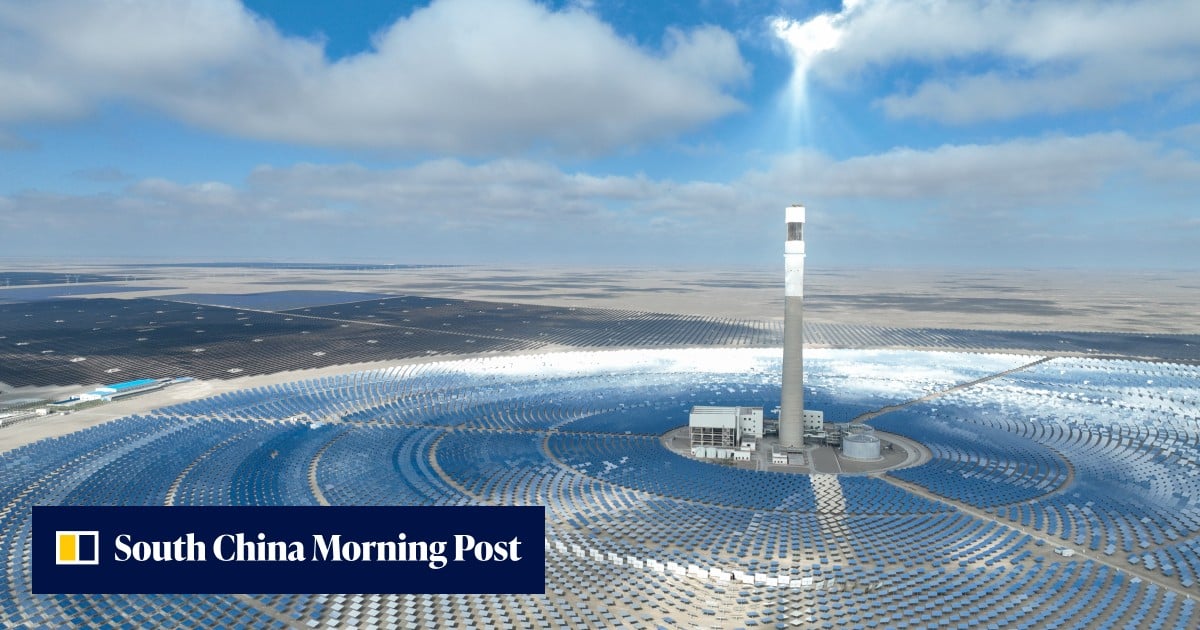
Amid escalating geopolitical risks and volatile oil prices, HSBC and its collaborators have established a new platform to funnel private investment into green transition projects within developing economies. The program focuses on funding crucial feasibility studies and due diligence for companies and governments adopting clean energy technologies, addressing a projected multi-trillio…
Imagine the world needs to switch from old, dirty power sources like coal to clean, sunny or windy power. That costs a lot of money! So, a big bank called HSBC and its friends are creating a special piggy bank, the Green Accelerator Programme, to help countries that don't have much money build these new, clean power plants. It's like giving them a head start to make the air cleaner for everyone.
Analysis
Julian Wentzel
Julian Wentzel, HSBC's chief sustainability officer, provided crucial context for the Green Accelerator Programme, emphasizing that geopolitical disruptions are significantly accelerating the demand for resilient and alternative energy sources. He specifically cited recent events, such as those impacting the Strait of Hormuz and the US-Israel war on Iran, as key factors driving oil price volatility and prompting global companies to actively seek more stable and cost-effective energy supplies. Wentzel's perspective highlights the strategic imperative for green financing, not just as an environmental initiative, but as a critical component of global energy security and economic stability.
His remarks underscore the banking industry's pivotal role in navigating these complex global challenges. By facilitating the transition to renewable energy, financial institutions like HSBC can help mitigate risks associated with fossil fuel dependence while simultaneously unlocking new investment opportunities. This proactive approach, as articulated by Wentzel, positions green finance at the forefront of addressing both environmental concerns and pressing geopolitical realities.
US$20 Trillion
The article projects a monumental global expenditure of up to US$20 trillion over the next five to eight years, a sum deemed necessary for the establishment or upgrade of facilities dedicated to renewable and other clean energy sources. This staggering figure illustrates the immense scale of the energy transition required worldwide and the significant financial commitment involved. Such a massive investment presents both a challenge and an unprecedented opportunity for the financial sector to mobilize capital.
Furthermore, the report details that corporate transition spending, currently estimated at US$2.3 trillion per year, is anticipated to surge to US$3.6 trillion annually by 2030. This projected increase signifies a sustained and growing demand for innovative green financing solutions across various industries. The sheer volume of capital required underscores the urgency and importance of platforms like the Green Accelerator Programme in channeling private investment effectively to meet these ambitious global energy goals.
Hong Kong
Hong Kong is prominently featured in the article as a leading hub for green finance, playing a critical role as a capital conduit between China and the rest of the world for renewable technology investment. This strategic positioning allows the city to leverage its robust financial infrastructure and international connections to facilitate the flow of funds and expertise essential for the global green transition. Its capacity to bridge East and West makes it an invaluable partner in sustainable development initiatives.
The city's established financial ecosystem provides a fertile ground for supporting and scaling programs such as the Green Accelerator Programme. By acting as a central point for green capital, Hong Kong enhances its influence in promoting sustainable practices and technologies across emerging markets. This role not only strengthens its standing as a global financial center but also contributes significantly to the broader efforts to combat climate change and foster a cleaner energy future.
Key points
- HSBC and partners launched the Green Accelerator Programme to fund green technology adoption in emerging markets.
- The non-profit platform will channel private capital into feasibility studies and due diligence for clean energy projects.
- Geopolitical disruptions, such as those in the Strait of Hormuz and the US-Israel war on Iran, have increased demand for alternative energy sources.
- An estimated US$20 trillion is needed globally over 5-8 years for renewable energy infrastructure.
- Hong Kong is highlighted as a key hub for green finance, connecting China with global renewable technology investment.
The Green Accelerator Programme could significantly accelerate the adoption of green technologies in emerging markets, leading to reduced carbon emissions and more stable energy supplies globally. By channeling private capital into crucial feasibility studies and due diligence, the platform can de-risk investments and unlock substantial funding for sustainable development.
Despite the initiative, geopolitical risks and the sheer scale of the US$20 trillion investment needed could hinder the program's effectiveness and slow the green transition. If private capital remains hesitant due to perceived risks or if global conflicts escalate further, the ambitious targets for renewable energy adoption may not be met.
Market signals
- HSBA HSBC's leadership in green finance initiatives positions it favorably in a growing market for sustainable investments.
- OIL The platform's objective to drive green transition capital aims to reduce global reliance on fossil fuels, indicating a long-term bearish trend for crude oil.
AI-generated analysis of potential market relevance. Not financial advice.


