Huawei defies memory chip squeeze hurting Xiaomi smartphones
Counterpoint says 2026 smartphone shipments may fall nearly 14% as rising memory chip costs squeeze Chinese brands, especially Xiaomi.
Intelligence analysis by GPT-5.4 Mini
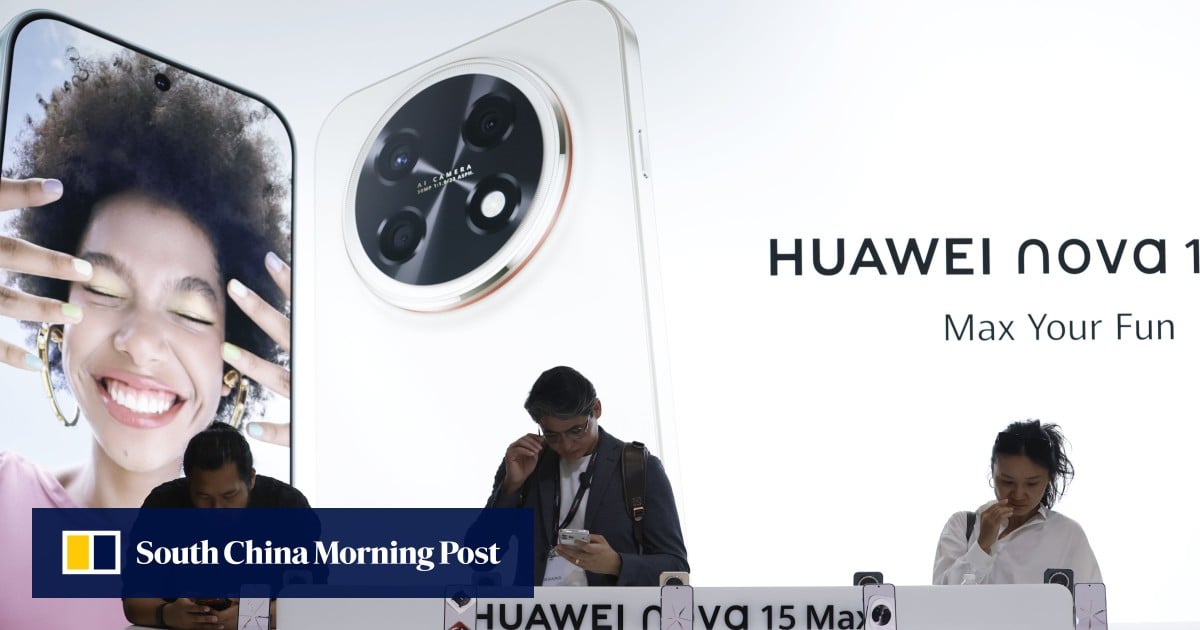
SCMP reports that surging memory chip prices are forcing smartphone makers to choose between higher prices, lower margins or cheaper storage. The pressure is expected to hit Chinese Android brands hardest, while Apple and Samsung are better insulated; the headline frames Huawei as the likely outlier.
Phone makers need tiny memory parts to store photos, apps and games. Right now those parts are getting much more expensive, like the price of a key ingredient suddenly jumping.
The story says big, expensive phone brands can handle that better. Smaller or cheaper phone brands may have to charge more, make less money, or give buyers less storage.
A good way to picture it is a bakery where flour gets pricey. The fancy bakery can raise prices and still keep customers, but the budget bakery feels the squeeze much more.
Analysis
What the report says
Counterpoint is forecasting a rough year for smartphones. The firm expects global shipments to fall nearly 14% in 2026, to about 1.08 billion units, which would be the industry's lowest volume since 2013. The report says the decline is being driven by two pressures at once: memory chip prices that keep rising and consumers who are still replacing phones more slowly than usual.
Who gets hit most
The article says the damage will not be evenly spread. Apple and Samsung Electronics are expected to hold up better because they have stronger pricing power and a product mix tilted toward premium devices. Chinese Android brands face a tougher squeeze. Xiaomi is singled out as especially exposed because it operates with thinner hardware margins and depends more heavily on price-sensitive buyers.
The broader pressure on Chinese vendors
The same pressure is also expected to weigh on Oppo, Vivo and Transsion, particularly where higher component costs collide with low-margin phones and overseas emerging-market sales. That creates a narrow set of choices: absorb the added cost, pass it on to consumers, or reduce storage configurations. Each option carries risk, whether that means lower profit, weaker demand, or less attractive phones.
The article's central message is that memory costs are not just a supply-chain detail. They can reshape competition across the whole smartphone market by widening the gap between premium brands and value-focused Android makers.
Key points
- Counterpoint projects global smartphone shipments will fall nearly 14% in 2026 to about 1.08 billion units.
- The report blames soaring memory chip costs and weak consumer replacement demand.
- Apple and Samsung are expected to fare better because of stronger pricing power and premium products.
- Chinese Android brands, especially Xiaomi, are expected to face tougher margin pressure.
- Oppo, Vivo and Transsion are also expected to feel the squeeze in price-sensitive markets.
If the market stabilizes, premium brands with stronger pricing power could keep shipping phones without major damage to demand. Chinese vendors that manage costs well may still protect sales by adjusting configurations or pricing carefully.
If memory prices stay high, Chinese Android brands may face a profit squeeze that is hard to absorb. Raising prices or cutting storage could make their phones less competitive, while the market-wide shipment decline would leave less room for growth.