Humanitarian crisis worsening in refuge for civilians fleeing Sudan’s civil war
El Obeid, Sudan, is facing a worsening humanitarian crisis as civilians flee ongoing civil war. Over 200,000 people arrived in the first half of the year, with more arriving daily, straining resources and leading to overcrowding and shortages.
Intelligence analysis by Gemini 2.5 Flash Lite
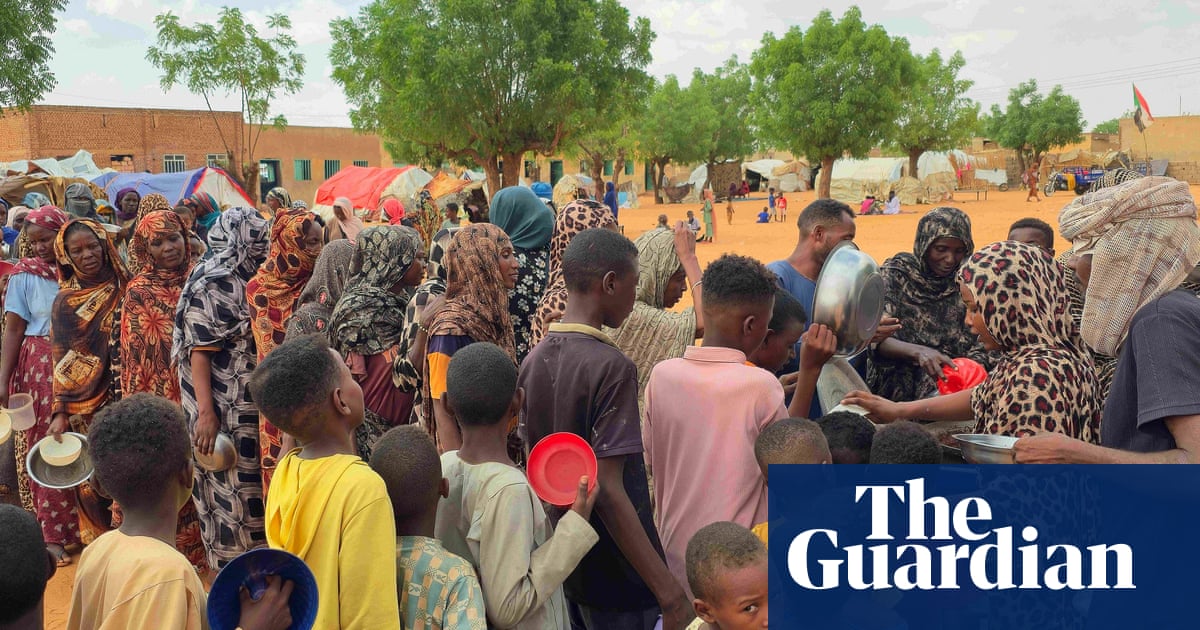
The city of El Obeid and its surrounding camps are overwhelmed by internally displaced people fleeing Sudan's civil war. Humanitarian conditions are deteriorating rapidly due to overcrowding, lack of food, and damaged infrastructure, with a significant portion of arrivals being women and children.
Imagine a city that's like a small house, but suddenly thousands of people need to move in because their homes are broken. The city gets super crowded, there isn't enough food for everyone, and the water pipes are broken, like a leaky faucet. People are scared and tired, and it's hard for helpers to bring them what they need.
Analysis
El Obeid's Overcrowding
The city of El Obeid, once home to half a million people, is now struggling to cope with an influx of over 200,000 internally displaced persons (IDPs) in the first half of the year, according to Save the Children. This number has been further swelled by an additional 15,000 families arriving since mid-July, as reported by the UN. Humanitarian volunteer Maryam describes the situation as "very harsh and deteriorating," with the city being "shockingly overcrowded." These new arrivals, often women and children as men stay behind for farming, come with almost nothing, facing severe shortages of food and arriving in a traumatized state. The sheer volume of people has led to the appearance of 800 new tents in one camp between August 4 and 25, indicating a rapid and ongoing escalation of displacement.
RSF Drone Strikes
El Obeid and its environs have become a target for increased RSF drone activity, raising fears of a repeat of the atrocities seen in El Fasher. While the number of strikes has decreased since June, drones continue to cause civilian casualties and injuries. A particularly disturbing tactic noted by volunteers is the "double-tap" strike, where a second drone targets rescuers arriving at the scene of an initial attack. Nohad Eltayeb, who monitors Sudan for Acled, notes that drones now account for half of all violent incidents in the conflict, a significant increase from the start of the war. The RSF's reliance on drones has become more volatile due to disrupted supply lines, leading to fewer but more targeted strikes. Despite these targeted attacks, violence in surrounding districts continues to push people towards the relative safety of El Obeid.
Infrastructure and Food Security
The conflict has severely impacted El Obeid's essential infrastructure, particularly its power and water supply. Drone strikes in June damaged the main water source north of the city, and water pipes within the city have also been affected. Médecins Sans Frontières emergency coordinator Esperanza Santos states that both the hospital and IDP camps are now reliant on water trucking, which is insufficient to meet demand. This, coupled with the threat to delivery trucks, has caused food prices to skyrocket. For instance, a litre of groundnut oil cost 17,000 Sudanese pounds in July, a significant increase from previous months and the year prior. Prices for wheat flour and meat have also more than doubled, pushing the region closer to famine and exacerbating the already dire humanitarian conditions for the displaced population.
Key points
- El Obeid is experiencing a severe and worsening humanitarian crisis due to an influx of civilians fleeing Sudan's civil war.
- Over 200,000 people arrived in the first half of the year, with tens of thousands more arriving recently, leading to extreme overcrowding.
- Essential services like water and power are severely damaged, and food prices have skyrocketed, increasing the risk of famine.
- RSF drone strikes continue to pose a threat to civilians, with tactics like 'double-tap' strikes targeting rescuers.
- The majority of new arrivals are women and children, highlighting the conflict's impact on vulnerable populations.
If a lasting ceasefire can be achieved and humanitarian aid can reach El Obeid unimpeded, the immediate suffering of displaced civilians could be alleviated. Improved security could allow for the repair of critical infrastructure, such as water and power systems, and facilitate the return of essential services, offering a path towards stability for the region.
Continued fighting and drone attacks in and around El Obeid will likely lead to further civilian casualties and displacement, overwhelming already scarce resources. The ongoing damage to infrastructure and the disruption of supply lines could push the region deeper into famine, with long-term consequences for the population's health and well-being.