Hundreds hospitalised in Yangon cholera outbreak: minister
At least 500 people have been hospitalised with severe diarrhoea in Yangon, with 149 testing positive for cholera. Myanmar's infrastructure and health sector are creaking after more than five years of civil war in which more than 100,000 people are estimated to have been …
Intelligence analysis by Llama
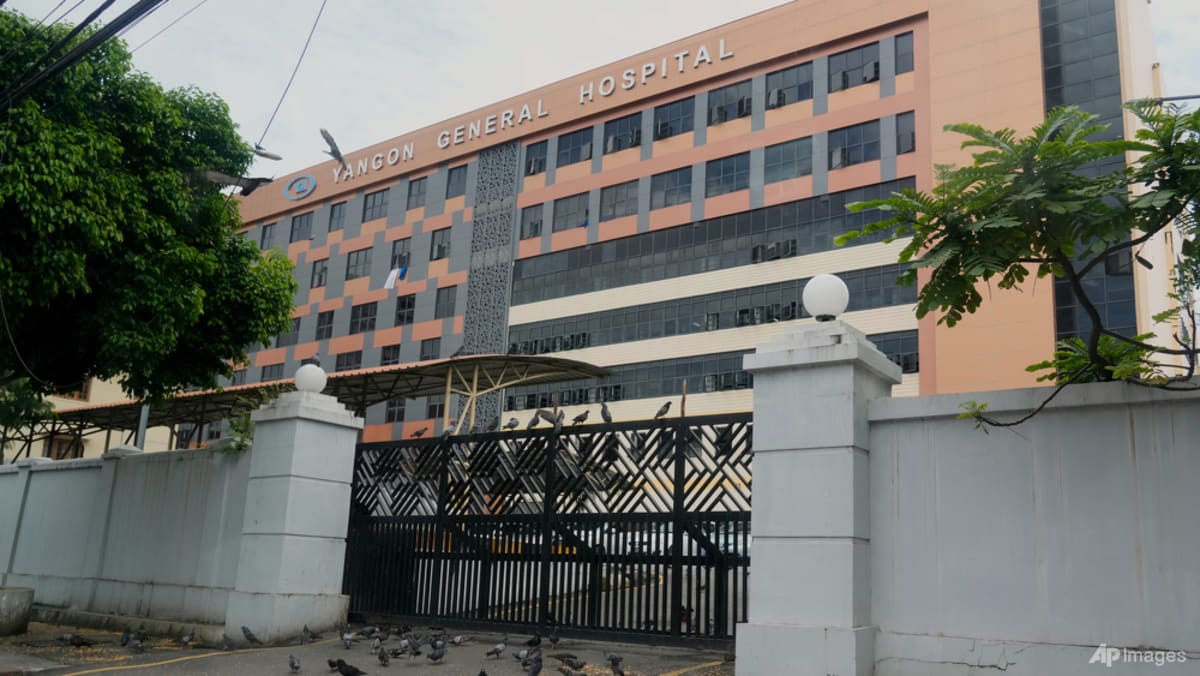
A total of 500 people have been hospitalised for severe diarrhoea in Myanmar's largest city, a Yangon official said on Monday, with nearly 150 testing positive for cholera. The World Health Organisation describes cholera as 'a global public health threat and indicates inequity and lack of social and economic development'.
Imagine you have a really bad stomachache and can't stop going to the bathroom. That's what's happening to hundreds of people in Yangon, Myanmar. They have a sickness called cholera that makes them very sick. The government is trying to help them, but they need more resources and better hospitals to take care of everyone.
Analysis
Cholera Outbreak in Yangon: A Growing Concern for Myanmar's Healthcare System
The recent cholera outbreak in Yangon, Myanmar's largest city, has raised concerns about the country's healthcare system. According to official reports, at least 500 people have been hospitalised with severe diarrhoea, with 149 testing positive for cholera. This is a significant increase from the usual number of cases, and it highlights the challenges faced by Myanmar's healthcare system.
Myanmar has been plagued by civil war for over five years, resulting in the deaths of over 100,000 people and a significant decline in the country's economy. The healthcare system has been severely affected, with many hospitals and medical facilities struggling to cope with the influx of patients. The recent cholera outbreak is a testament to the country's healthcare system's inability to respond effectively to public health emergencies.
The World Health Organisation (WHO) describes cholera as 'a global public health threat and indicates inequity and lack of social and economic development'. The organisation has been working closely with the Myanmar government to provide support and assistance in responding to the outbreak. However, the situation remains critical, and the government needs to take immediate action to address the root causes of the outbreak.
One of the main challenges facing the healthcare system is the lack of resources and infrastructure. Many hospitals and medical facilities are understaffed and under-equipped, making it difficult for them to respond effectively to public health emergencies. The government needs to invest in the healthcare system, providing more resources and infrastructure to support the response to the outbreak.
In addition to the lack of resources and infrastructure, the government also needs to address the issue of access to clean water and sanitation. Cholera is a waterborne disease, and the lack of access to clean water and sanitation is a major contributor to the spread of the disease. The government needs to work with international partners to provide support and assistance in improving access to clean water and sanitation.
In conclusion, the recent cholera outbreak in Yangon highlights the challenges faced by Myanmar's healthcare system. The government needs to take immediate action to address the root causes of the outbreak, including investing in the healthcare system, improving access to clean water and sanitation, and working with international partners to provide support and assistance.
Key points
- At least 500 people have been hospitalised with severe diarrhoea in Yangon, with 149 testing positive for cholera.
- The World Health Organisation describes cholera as 'a global public health threat and indicates inequity and lack of social and economic development'.
- The government needs to take immediate action to address the root causes of the outbreak, including investing in the healthcare system and improving access to clean water and sanitation.
If the government takes immediate action to address the root causes of the outbreak, including investing in the healthcare system and improving access to clean water and sanitation, the situation can be brought under control. The government can also work with international partners to provide support and assistance in responding to the outbreak.
If the government fails to take immediate action to address the root causes of the outbreak, the situation can worsen, leading to more deaths and suffering. The lack of resources and infrastructure in the healthcare system can also lead to a breakdown in the response to the outbreak.