Hungary comes ‘within millimetres’ of shutting down nuclear power plant amid drought crisis
Hungary's Paks nuclear power plant nearly shut down due to critically low water levels in the Danube River caused by a severe drought and extreme heatwave. Energy-saving measures and a slight rise in water levels averted an immediate shutdown.
Intelligence analysis by Gemini 2.5 Flash Lite
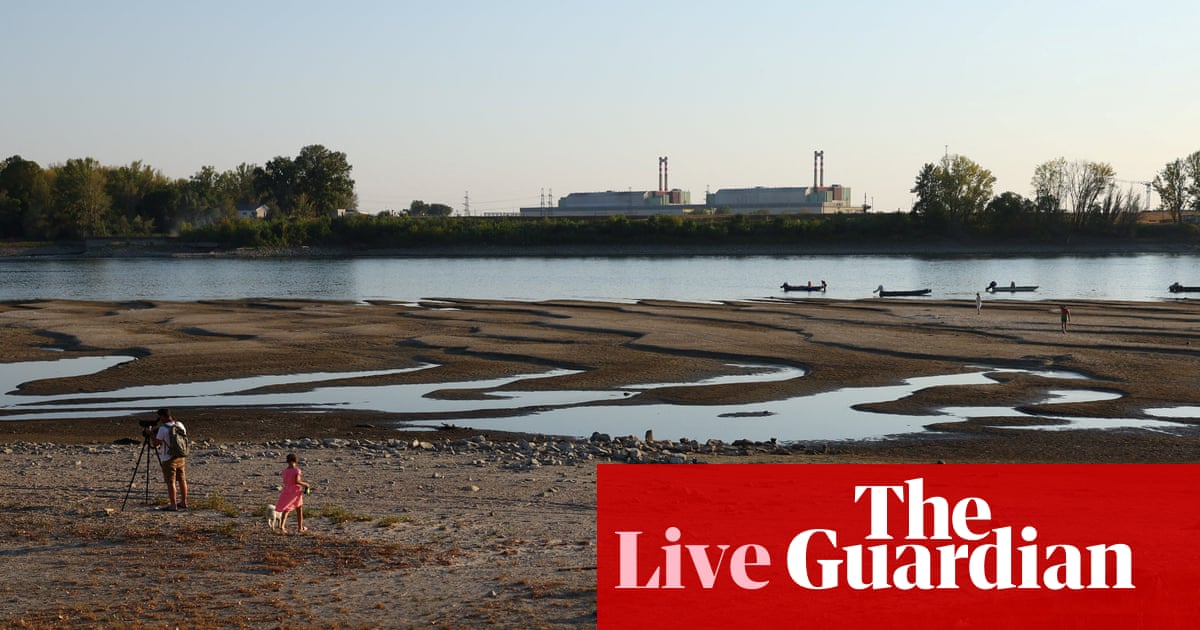
The Paks nuclear power plant in Hungary was on the brink of shutdown due to record low water levels in the Danube River, exacerbated by a regional heatwave. Prime Minister Péter Magyar stated the plant was 'millimetres' from closure, but a slight rise in water levels and energy conservation efforts by businesses and citizens helped avert a crisis, though he warned of continued hardships.
Imagine a big power plant that makes electricity needs a lot of water to stay cool, like a giant air conditioner. But because it's been so hot and dry, the river it uses is almost empty! The plant got so close to shutting down, it was like being a hair's breadth away from disaster. Luckily, the water level went up a tiny bit, and people used less electricity, so it's okay for now, but it's still very hot.
Analysis
A Nuclear Plant on the Brink
The near-shutdown of Hungary's Paks Nuclear Power Plant underscores the acute vulnerability of essential energy infrastructure to the escalating climate crisis. Prime Minister Péter Magyar's revelation that the plant was "within millimetres" of a complete shutdown at 1:30 AM on Tuesday paints a stark picture of the precarious situation. The Paks plant, which already operates at a reduced capacity of just over 10% due to the critically low water levels in the Danube, relies on the river for cooling. As the Danube's water level dropped to a record low, the ability to adequately cool the plant's reactors became severely compromised, forcing operators to the edge of a potentially catastrophic shutdown.
Regional Drought and Energy Strain
Hungary is not alone in facing these challenges. Neighboring Romania has also implemented extraordinary measures, including controlled explosions to divert the Danube's flow and plans to sink old barges, in an effort to cool its Cernavodă nuclear plant. This coordinated, albeit desperate, response across multiple countries illustrates the widespread impact of the ongoing drought and extreme heat across southeastern Europe. The situation has necessitated significant energy conservation efforts, with businesses like Lidl adjusting operations by altering baking schedules and temporarily disabling drink fridges, despite soaring temperatures expected to reach 40C. This collective effort to reduce energy consumption is crucial for maintaining grid stability during this critical period.
Broader Implications and Future Outlook
The near-crisis at Paks serves as a potent warning about the interconnectedness of climate, energy, and infrastructure. While a slight rise in the Danube's water level and successful energy-saving measures have provided temporary relief, Prime Minister Magyar cautioned that "the hardest days are still ahead." The forecast for continued extreme temperatures and drought in the coming days means the threat to energy security remains high. This event also occurs against the backdrop of a separate, but equally pressing, issue for the EU: the migration crisis in Ceuta, with EU interior ministers convening to discuss border security. The confluence of these crises highlights the multifaceted challenges Europe faces, from climate-induced infrastructure risks to geopolitical and humanitarian concerns.
Key points
- Hungary's Paks nuclear power plant was critically close to shutting down due to record low Danube river levels caused by drought and heat.
- The plant was 'millimetres' from shutdown, operating at reduced capacity, but a slight water level rise averted immediate closure.
- Romania is also implementing measures to cool its Cernavodă nuclear plant by altering Danube river flow.
- Businesses in Hungary are implementing energy-saving measures, such as adjusting operations and reducing non-essential power use.
- Prime Minister Péter Magyar warned of continued hardships despite the temporary relief, with extreme temperatures expected to persist.
The successful averting of the Paks plant shutdown demonstrates the effectiveness of coordinated energy conservation efforts and the resilience of critical infrastructure when faced with immediate threats. Continued solidarity and adaptive measures by businesses and citizens could help navigate the remaining days of extreme heat, preventing further energy disruptions.
Despite the temporary reprieve, the forecast for continued extreme heat and drought poses a persistent risk to the Paks plant's operation and the broader European energy grid. A further drop in water levels or increased energy demand could still force a shutdown, leading to significant power shortages and economic instability.