Hyundai Announces Price Hike in India Starting September 1, 2026
Hyundai India will increase car prices by 1% across all models starting September 1, 2026, marking its third hike this year due to rising manufacturing and operational costs.
Intelligence analysis by Gemini 2.5 Flash
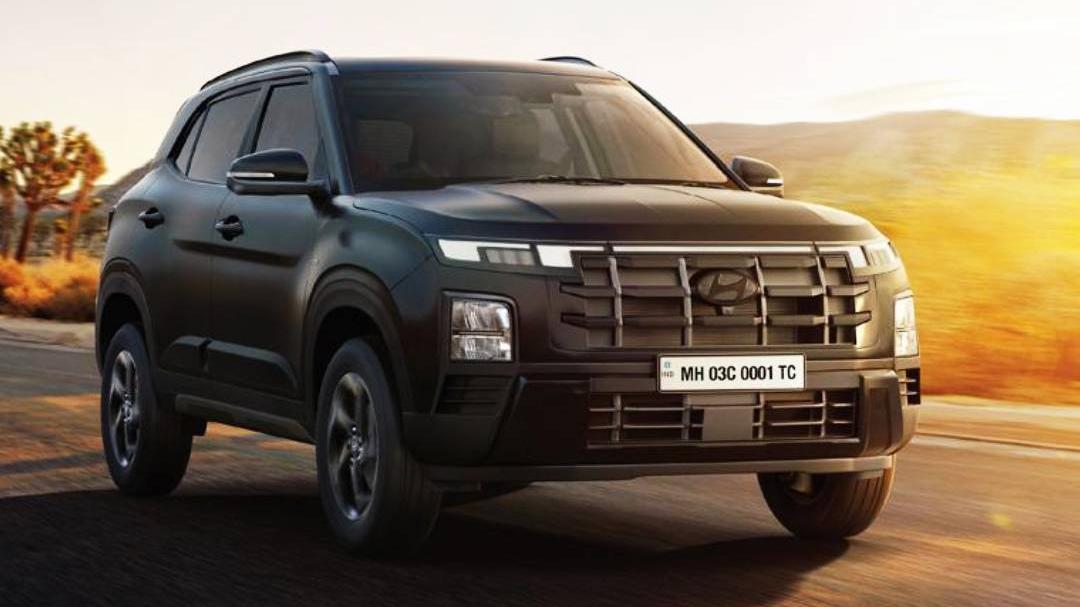
Hyundai Motor India will implement a 1% price hike across all its models starting September 1, 2026. This marks the third such increase in 2026, driven by escalating manufacturing costs, higher raw material prices, and increased operational expenses. The company aims to partially offset these financial pressures, a trend also seen with Tata Motors' recent price adjustment.
Imagine your favorite toy car company needs to buy more expensive plastic and paint to make its cars. To cover these extra costs, they have to make their cars a tiny bit more expensive. Hyundai, a big car company in India, is doing just that, raising prices by a small amount for all its cars starting September 1st. It's like when the ingredients for your favorite snack get pricier, so the snack costs a little more.
Analysis
Hyundai Motor India, a prominent automaker in the country, has declared its third price increase for vehicles in 2026. This consistent upward adjustment in pricing highlights a sustained pressure on the company's operational economics throughout the year. The previous hikes occurred in January and June, indicating a recurring need to offset rising expenditures.
The latest increase, set to take effect from September 1, 2026, will see a 1% rise across all models in Hyundai's diverse product portfolio. This uniform percentage increase suggests a strategic move to distribute the burden of increased costs proportionally across its offerings, from entry-level cars to premium segments.
Rising Input Costs
The primary justifications provided by Hyundai for this price adjustment include a significant surge in manufacturing costs, the escalating prices of raw materials, and increased operational expenses. These factors collectively contribute to a challenging economic environment for automotive production, forcing companies to re-evaluate their pricing strategies to maintain profitability.
Hyundai stated that while efforts are being made to absorb some of these impacts through cost-cutting measures, the current circumstances necessitate passing a portion of the increased production costs onto consumers. This indicates that internal efficiencies alone are insufficient to fully mitigate the external economic pressures.
Tata Motors' Parallel Move
The expected price increase for Hyundai vehicles is estimated to range from INR 7,767 to INR 23,672, depending on the specific model and variant. This range illustrates the varying impact across different vehicle segments, with higher-end models likely seeing more substantial absolute price jumps.
Notably, Hyundai is not alone in this trend; Tata Motors has also announced a price hike of up to INR 25,000, effective from the same date, September 1, 2026. This parallel move by another major player suggests an industry-wide response to similar economic challenges, potentially leading to a broader increase in vehicle prices across the Indian market.
Key points
- Hyundai India will increase car prices by 1% across all models starting September 1, 2026.
- This marks the third price hike by Hyundai in 2026, following increases in January and June.
- The company cites rising manufacturing costs, raw material prices, and operational expenses as reasons.
- Individual model price increases are estimated to range from INR 7,767 to INR 23,672.
- Tata Motors has also announced a price hike of up to INR 25,000, effective from September 1, 2026.
The price hike, while impacting consumers, could allow Hyundai to maintain its profit margins and continue investing in new technologies and models, ensuring a robust and competitive product lineup for the Indian market. This stability could also encourage other manufacturers to innovate, benefiting the overall automotive sector.
The repeated price increases, especially when coupled with similar moves by competitors like Tata Motors, could dampen consumer demand in an already sensitive market. This might lead to a slowdown in car sales, potentially affecting the growth trajectory of the Indian automotive industry and making new car ownership less accessible for some buyers.