'I fear for my son's farming future due to costs'
A Suffolk farmer says fuel, fertiliser and haulage costs have surged, leaving his farm running at a loss and clouding his son's future.
Intelligence analysis by GPT-5.4 Mini
Suffolk farmers say higher fuel, fertiliser and weather-related risks are squeezing profits and making it harder to hand farms on to the next generation. The article frames the pressure as a wider warning about UK farming viability.
A farmer in Suffolk says it is getting much more expensive to grow food. The fuel for his tractors and the fertiliser for his crops cost a lot more than before, and that makes it hard to make money.
It is like running a lemonade stand where the lemons, cups, and delivery fees all get pricier at the same time. Even if the farmer works hard, the business can still lose money.
He worries about giving the farm to his son, because he does not think it will earn enough. Other farmers say the same pressure is happening across the country, and the government says it is trying to help.
Analysis
Cost pressure on the farm
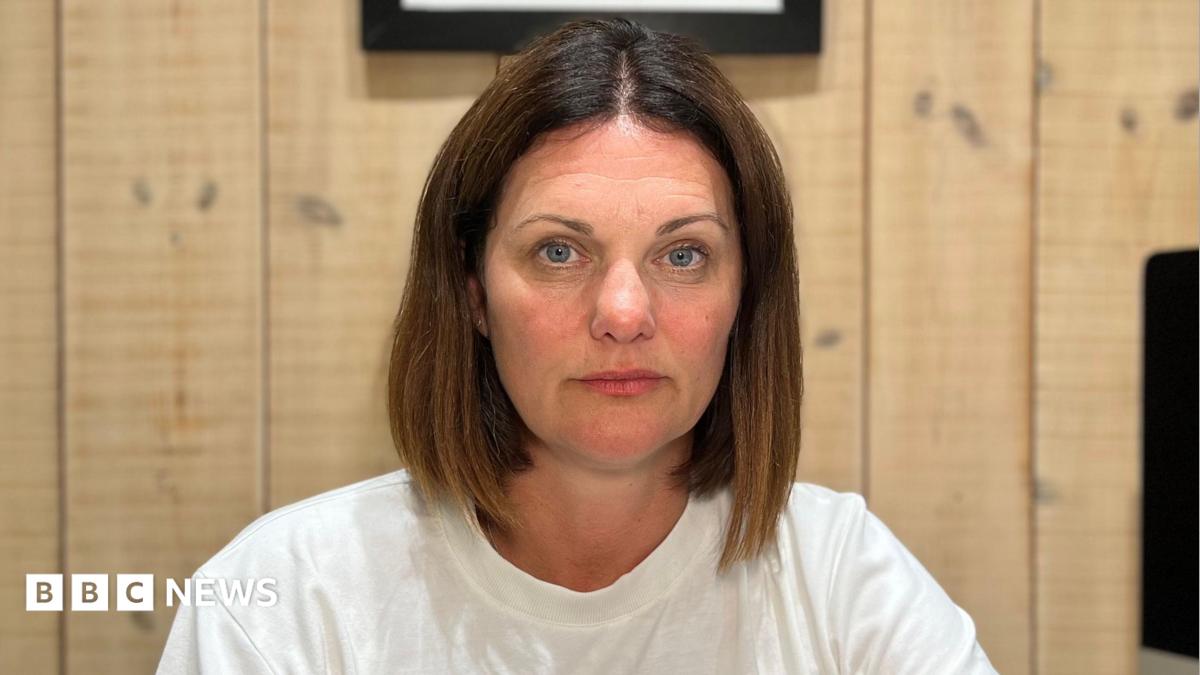
Chris Suckling, who runs Woodlands Farm in Holbrook, Suffolk, says the economics of farming have become too tight to comfortably pass the business on to his son. He says fuel costs have doubled over the past year, with red diesel rising from £27,000 to £54,000, while fertiliser spending increased from £53,200 to £67,200. He said his overall costs for fuel and fertiliser alone reached £40,800 this year, and that haulage firms were adding surcharges on mileage.
Profitability and succession
Suckling, a fourth-generation farmer growing potatoes among other crops, says the farm has been running at a loss and next year’s crops are not expected to bring much return. His concern is not only short-term cash flow but succession: he says he feels guilty handing over a farm that may not provide his son Harry with a fair income. He also says farmers are leaving the industry and that some land is being turned over to solar farms, renewables and housing because farming no longer pays.
Weather, policy and the wider sector
John Pawsey, an organic farmer near Bury St Edmunds, told the BBC that even without artificial fertiliser his costs have risen, especially for diesel. He said drought risk could reduce yields and create a “perfect storm” if lower output meets higher fixed costs. Cath Crowther of the Country Land and Business Association said many people in the sector believe this is the worst period they have faced, and argued that profitability is needed before investment can happen. In response, Emma Reynolds said the government is taking action to support farmers, including cutting red diesel to its lowest rate in over 20 years, and said it is committed to protecting the sector from global pressures, including the war in Iran.
Key points
- Chris Suckling says his fuel and fertiliser costs have risen sharply over the past year.
- He says the farm has been running at a loss and worries about passing it to his son.
- Another Suffolk farmer said drought risk could lower yields and worsen already high fixed costs.
- The Country Land and Business Association says many farmers feel the situation is the worst they have experienced.
- The government says it is cutting red diesel to its lowest rate in over 20 years and is protecting farmers from global pressures.