I once protested against the G7. I feel no need now, because it’s collapsing all by itself
The G7 summit has lost its relevance, with protests against it becoming smaller and less effective. The wealth gap has grown, with Elon Musk's trillion-dollar fortune symbolizing the issue.
Intelligence analysis by Llama 3.3 70B
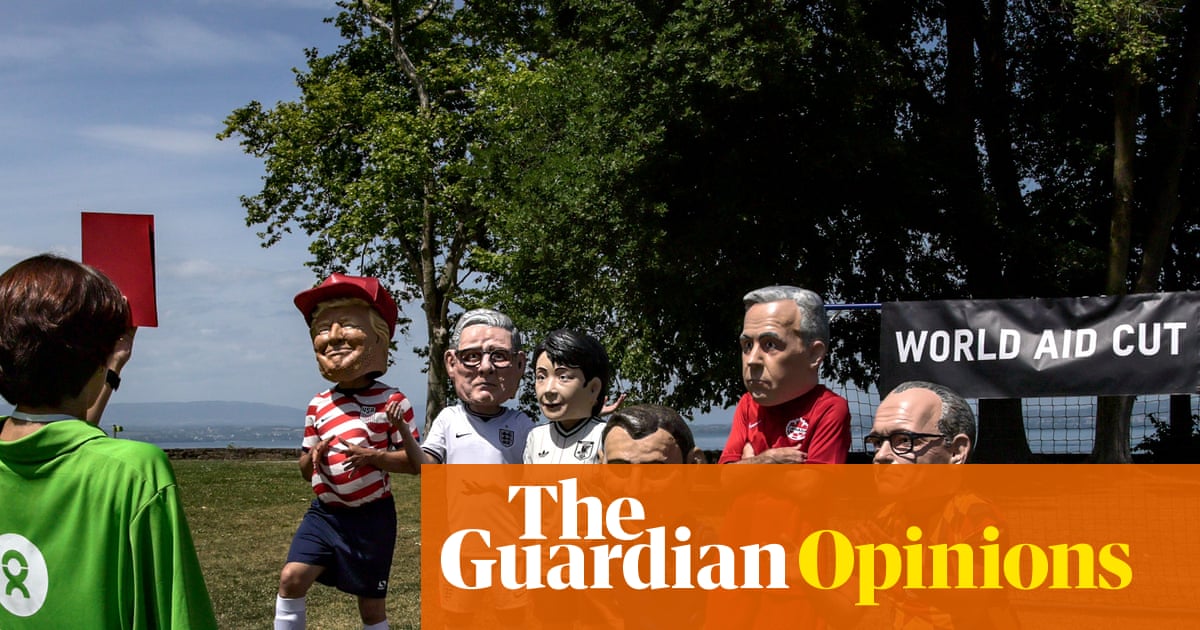
The G7's collapse is evident in its inability to address wealth inequality and its internal divisions, making protests against it seem unnecessary.
Imagine a group of powerful countries making rules for everyone else. But what if those rules aren't fair and only help the rich get richer? That's what the G7 is, and people are protesting against it because they think it's unfair.
Analysis
The Evolution of Protests
The protests against the G7 have undergone a significant transformation over the years. From the 200,000-strong crowd in Genoa to the smaller, yet still passionate, gatherings today, the message has remained consistent: the G7's rules-based order is flawed and favors the wealthy at the expense of the poor. The recent protests, with 20,000 attendees, may have been smaller, but their target was clearer than ever – the grotesque and unsustainable wealth inequality perpetuated by the G7's policies.
The protesters' tactics have also evolved, with the burning of a Tesla serving as a stark symbol of their discontent. Elon Musk's trillion-dollar fortune has become a lightning rod for criticism, with many viewing it as a representation of the wealth gap that the G7 has failed to address. The fact that national governments seem paralyzed by Musk's power, unable to take on the forces of concentrated private capital, only serves to underscore the protesters' point.
The G7's Internal Divisions
The G7's internal divisions have become increasingly apparent, with the recent summit highlighting the lack of unity among its members. Donald Trump's unpredictable behavior and opaque relationships with other world leaders, including Vladimir Putin, have created an air of uncertainty and instability. The fact that the US has not committed to providing military aid to Ukraine since Trump took office only serves to further undermine the G7's credibility.
The other leaders, including Emmanuel Macron and Keir Starmer, appear personally insecure and unsure of how to navigate the treacherous waters of international diplomacy. The image of power unraveling is palpable, with the G7's inability to present a united front on key issues like Ukraine and wealth inequality.
The Consequences of Collapse
The collapse of the G7's rules-based order has far-reaching consequences, both for the global economy and for the ability to address pressing issues like wealth inequality. As the G7's credibility continues to erode, it is likely that other nations and institutions will step in to fill the power vacuum. This could lead to a more fragmented and unstable global landscape, with potentially devastating consequences for the world's most vulnerable populations.
The G7's collapse also serves as a reminder that the current system is unsustainable and in need of reform. The protesters' message, though smaller in number, remains clear: the G7's rules-based order must be pro-social or its moral authority will be empty and disorder will ensue. As the world watches the G7's demise, it is clear that a new era of international cooperation and diplomacy is needed, one that prioritizes the needs of the many over the interests of the few.
Key points
- The G7's rules-based order is flawed and favors the wealthy
- Protests against the G7 have become smaller but more targeted
- The wealth gap has grown, with Elon Musk's trillion-dollar fortune symbolizing the issue
- The G7's internal divisions have become increasingly apparent
- The collapse of the G7's rules-based order has far-reaching consequences for the global economy
The collapse of the G7's rules-based order could lead to a more equitable and just global economy, as other nations and institutions step in to fill the power vacuum and prioritize the needs of the many over the interests of the few. This could also lead to a renewed focus on addressing wealth inequality and other pressing issues.
The collapse of the G7's rules-based order could lead to a more fragmented and unstable global landscape, with potentially devastating consequences for the world's most vulnerable populations. The lack of unity among the G7's members and the rise of nationalist and protectionist policies could also exacerbate wealth inequality and hinder global cooperation.