I Scanned the Entire Bitcoin Blockchain for Images. What I Found Will Shock You
A Bitcoin enthusiast scanned the entire Bitcoin blockchain for images using image recovery software and found none, despite the existence of a niche art scene and movement against 'non-monetary transactions' on the Bitcoin network.
Intelligence analysis by Llama
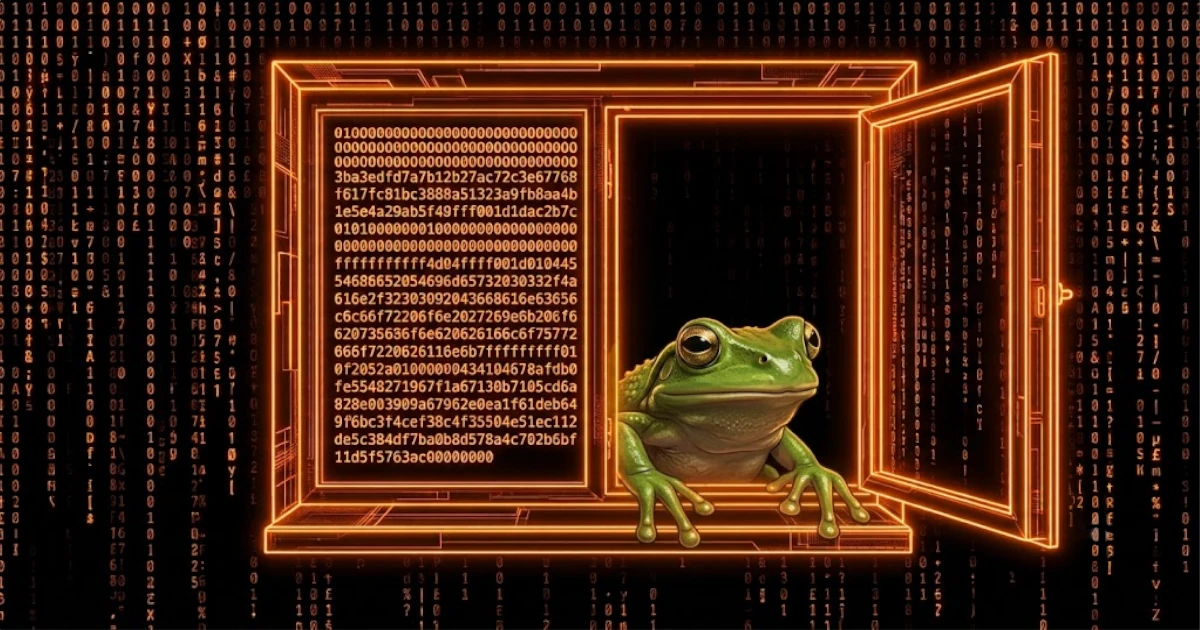
A Bitcoin enthusiast scanned the blockchain for images and found none, despite the existence of a niche art scene and movement against 'non-monetary transactions'. The blockchain uses XOR to scramble data, making image recovery difficult.
Imagine you have a huge library with millions of books, and each book has a secret code that makes it hard to find the right book. That's kind of like what's happening with the Bitcoin blockchain. Even though people think they can find images on the blockchain, it's actually very hard to do so because of a secret code called XOR.
Analysis
A $60B Vote of Confidence
The Bitcoin blockchain has been touted as a canvas for artistic expression, with proponents and detractors alike discussing the possibility of finding images within its vast expanse of data. However, a recent experiment by a Bitcoin enthusiast has shed light on the challenges of recovering images from the blockchain. Using image recovery software, the enthusiast found no meaningful images, despite the existence of a niche art scene and movement against 'non-monetary transactions' on the Bitcoin network.
Why XOR?
So, how is it possible that no images were found? The answer lies in the use of XOR, a simple data obfuscation technique used to scramble all the blockchain data while it is at rest on a hard drive. XOR compares two digits or bits and returns 1 if the bits are different or 0 if the bits are the same. In the case of Bitcoin, XOR compares every byte of data, making it difficult to recover images.
The Risks Involved
The risks involved with arbitrary data have been discussed and planned for in Bitcoin Core development circles for a long time. In 2011, the Bitcoin community began exploring ways to mitigate the risks associated with arbitrary data, including the use of XOR to scramble data. This has led to a culture war between those who believe that images can be recovered from the blockchain and those who argue that it is impossible.
Key points
- A Bitcoin enthusiast scanned the entire Bitcoin blockchain for images using image recovery software and found none.
- The blockchain uses XOR to scramble data, making image recovery difficult.
- The risks involved with arbitrary data have been discussed and planned for in Bitcoin Core development circles for a long time.
- The use of XOR to scramble data may limit the potential for recovering images from the blockchain.
This development highlights the importance of understanding the technical aspects of the blockchain and the challenges associated with recovering images. It also underscores the need for further research and development in this area, which could lead to new innovations and applications.
The use of XOR to scramble data may limit the potential for recovering images from the blockchain, making it a challenge for those who want to explore this area.