‘I spend a bagful of money and don’t fill a bag’: the energy crisis hits Bangladesh
Bangladesh is grappling with a severe energy crisis, leading to widespread power cuts and gas shortages, particularly in Dhaka, due to the Iran war and reliance on imported energy.
Intelligence analysis by Gemini 2.5 Flash
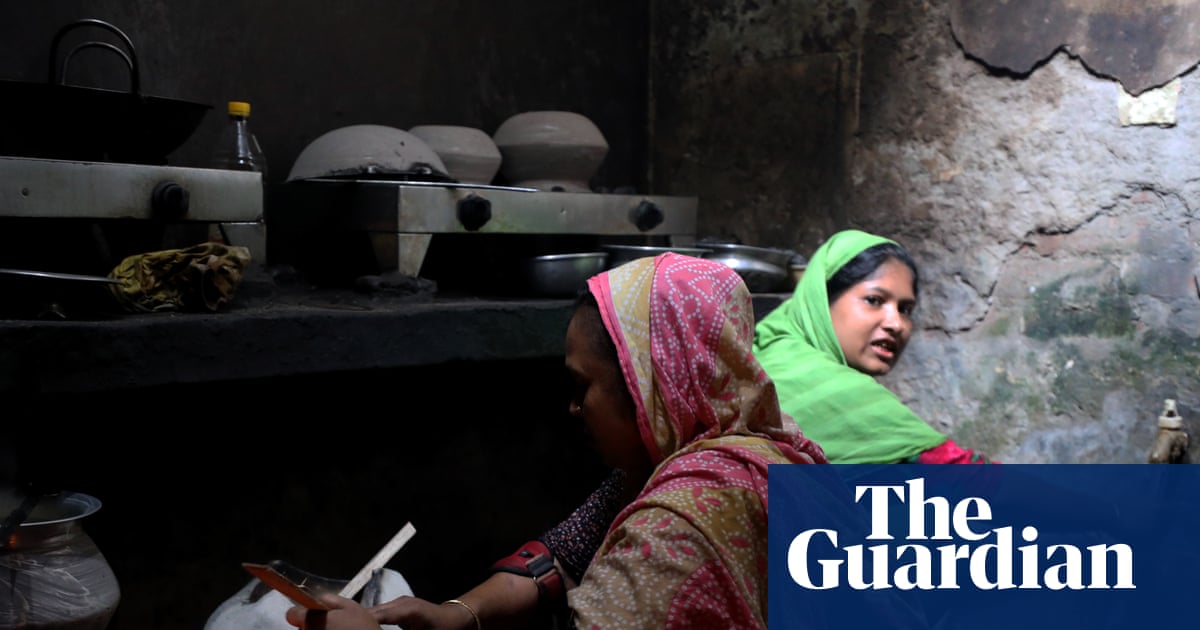
The energy crisis in Bangladesh, exacerbated by geopolitical conflict and domestic infrastructure issues, has plunged the capital Dhaka into darkness and forced residents to drastically alter daily routines. The new government, elected just weeks before the crisis, is struggling to manage the severe disruptions to electricity and gas supplies, impacting everything from cooking to comm…
Imagine your house runs on a special kind of gas that comes from far away on big ships. If there's a big fight where the ships usually travel, they can't bring the gas. That's what's happening in Bangladesh. Now, people don't have enough gas to cook or electricity to turn on lights, so they have to wake up in the middle of the night to cook or live in the dark, making everything much harder and more expensive.
Analysis
Dhaka
Dhaka, a sprawling city of nearly 40 million people, is experiencing the most dramatic effects of Bangladesh's energy crisis. Residents like Halder are forced to wake at 1 am to cook, as this is the only time gas pressure is sufficient. Public areas, offices, businesses, and shops in districts such as Mohammadpur, Kawran Bazar, and Dhanmondi are now eerily dark, with non-essential establishments ordered to close by 8 pm.
The constant energy shortages have introduced a new layer of complexity to daily life, requiring residents to make continuous calculations about when essential services might be available. This includes anticipating gas supply for cooking, rationing fan usage during humid summers, and navigating long queues at petrol stations. The disruption extends beyond convenience, impacting personal safety as dark streets increase fears of muggings for commuters like Ahmed.
Strait of Hormuz
The primary catalyst for Bangladesh's current energy woes is the US war on Iran, which led to the closure of the Strait of Hormuz. This critical maritime choke point is essential for gas shipments from the Middle East, and its disruption severely impacted Bangladesh's liquid natural gas (LNG) imports. The country, which produces little energy domestically, relies on the Middle East for almost half of its energy supply.
The closure resulted in an 83% drop in LNG imports between July and August, crippling the nation's energy infrastructure. This geopolitical event exposed Bangladesh's profound vulnerability as an energy-importing nation, demonstrating how international conflicts can have immediate and devastating economic consequences far beyond the conflict zone. The reliance on external sources for such a fundamental resource has left the country highly susceptible to global supply chain shocks.
Khondaker Golam Moazzem
Khondaker Golam Moazzem, a research director at the Centre for Policy Dialogue, a Dhaka-based thinktank, points out that the current crisis is not solely a result of external factors. He emphasizes that the disruption exacerbated longstanding frailties within Bangladesh’s energy system, which he attributes to mismanagement of public utilities. This suggests that while the Iran war was a trigger, underlying systemic issues made the country particularly vulnerable.
These inherent weaknesses have compounded the impact of reduced imports, leading to national load-shedding exceeding 3,000MW during peak shortages and leaving rural areas without electricity for up to 16 hours daily. The combination of geopolitical shocks and domestic governance failures has created a perfect storm, pushing energy-intensive sectors like textiles, ceramics, glass, and steel to run costly generators, cut production, or even close down, further escalating manufacturing and transport costs across the economy.
Key points
- Bangladesh is experiencing severe energy shortages, including widespread power cuts and gas rationing, due to the US war on Iran and reliance on imported energy.
- The closure of the Strait of Hormuz led to an 83% drop in Bangladesh's liquid natural gas (LNG) imports between July and August.
- Residents in Dhaka are forced to cook in the early hours of the morning due to low gas pressure, and shops are ordered to close by 8 pm to conserve energy.
- The crisis has led to national load-shedding exceeding 3,000MW and up to 16 hours of daily power cuts in rural areas.
- Experts attribute the severity of the crisis to both geopolitical disruptions and longstanding mismanagement within Bangladesh's public utilities.
- Almost 3 million more people are expected to face food insecurity by the end of the year, and energy-intensive industries are struggling with increased costs and production cuts.
The ongoing energy crisis is projected to worsen food insecurity, with nearly 3 million more people expected to face hunger by year-end, an 18% increase. Manufacturing and transport costs are rising as factories resort to expensive generators or cut production, threatening economic stability and potentially leading to further business closures.