I was applying for hundreds of jobs - this tip helped me get one
Four job seekers say small changes to how they applied helped them break into work after months of silence and rejection.
Intelligence analysis by GPT-5.4 Mini
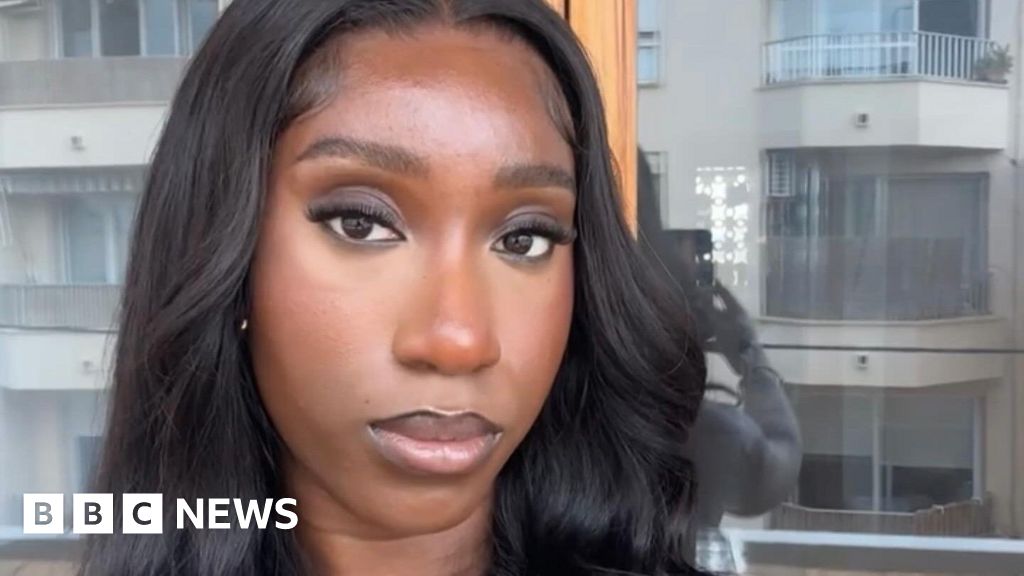
BBC Business looks at four people who were stuck sending out huge numbers of applications with little response, and the one change each made that helped them land a role. The advice ranges from tailoring CVs to speaking to people in person.
Finding a first job can be like trying to be heard in a noisy room. These people got noticed by making their applications more personal, asking real people for help, joining extra activities, or speaking to managers face to face.
Analysis
What changed
The article follows four people who had been applying for jobs for months, or even years, without much success. Their common problem was not lack of effort, but a search process that was too generic to get noticed.
The tactics that worked
Theresa Blair says she moved away from mass applications and began tailoring each CV to the role. She read company values closely and linked her own experience to the specific job, which helped her secure work and later move into project management.
Callum Stevens got a transport planning internship by contacting someone already doing the role on LinkedIn. That conversation helped him spot an opening and show genuine interest in the field, even though he had no direct experience.
Joshua Hopkins used time outside his day job to sit on a housing association board. He says that gave him something extra to show employers: fresh perspective, initiative, and evidence of skills beyond formal work history.
Clover Nelson took a more direct route and applied in person rather than only through job sites. After three years without work, speaking face-to-face with managers helped him get hired in retail.
The broader message
The article argues that persistence still matters, but so does being specific, proactive, and visible. In a market where many candidates are using the same online tools, the people who stand out are often the ones who add a human element or prove interest in a different way.
Key points
- Four job seekers say changing one part of their approach helped them get work after long periods of rejection.
- Tailoring a CV to each job and linking experience to the employer's values helped Theresa Blair stand out.
- Contacting someone already in the field helped Callum Stevens find an internship opportunity.
- Joshua Hopkins used board experience outside his day job to show initiative and fresh perspective.
- Clover Nelson says talking to managers in person worked better than sending online applications.
If more job seekers follow these tactics, they may improve their chances of getting interviews and finding roles that match their interests. Employers could also see more motivated candidates who have made a clearer effort to fit the job.
The story also shows that many applicants are still struggling to get replies, which suggests the market remains difficult. Not everyone will have access to the same networks, extra time, or confidence to visit employers in person.