‘I would rather be poor’: man says money cannot compensate for partner’s death after failed cancer diagnosis
A man has spoken out about the devastating impact of his partner's death from rectal cancer after a GP misdiagnosed her symptoms. The NHS has paid out almost £190m over the last five years to settle 870 claims involving misdiagnosis or delayed diagnosis of cancer.
Intelligence analysis by Llama
A man's partner died from rectal cancer after a GP misdiagnosed her symptoms. The NHS has paid out £190m to settle cancer misdiagnosis claims.
A man's partner died from cancer because her doctor didn't listen to her symptoms. The NHS has paid out a lot of money to people who have been hurt by doctors not doing their job properly. This is a big problem that needs to be fixed so that people get the right treatment and don't die from things that could have been prevented.
Analysis
A £190m Bill for Negligence
The NHS in England has paid out almost £190m over the last five years to settle 870 claims involving misdiagnosis or delayed diagnosis of cancer. This figure is a stark reminder of the devastating consequences of medical negligence and the need for the NHS to improve its cancer care services.
A Tragic Case
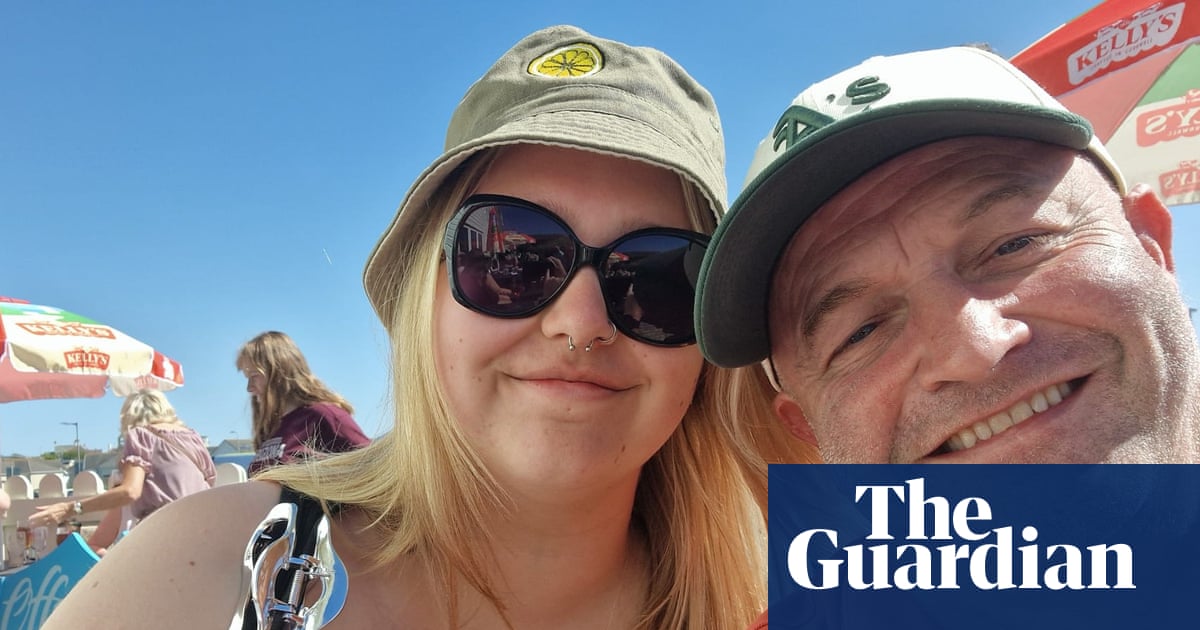
The case of Darren Rosheski's partner, Helen Dutton, is a tragic example of the consequences of misdiagnosis. Dutton, a 35-year-old finance manager and mother of one, was misdiagnosed with irritable bowel syndrome and haemorrhoids by her GP in 2016. However, she already had bowel cancer, which went undetected until she was referred to Tameside hospital in Greater Manchester in 2019. Despite undergoing chemotherapy, radiotherapy, and surgery, Dutton's cancer returned and she tragically died aged 40 in August 2021.
A Devastating Impact
Rosheski, a tradesman, has spoken out about the devastating impact of his partner's death on his life and the life of their daughter. He has suffered from serious mental health problems, including PTSD and complex grief, and has only worked for a month since Dutton's death. The NHS did not admit liability, but Rosheski reached an out-of-court settlement for an undisclosed sum in January.
A Call for Improvement
The case highlights the need for the NHS to improve its cancer care services and to prioritize patient safety. The NHS has not met a target to start urgent cancer treatment within 31 days of a patient and doctor agreeing on a treatment plan. The consequences of delayed diagnosis can be devastating, including more aggressive treatment and life-changing or fatal consequences. The NHS must take action to prevent such tragedies from occurring in the future.
Key points
- The NHS has paid out almost £190m over the last five years to settle 870 claims involving misdiagnosis or delayed diagnosis of cancer.
- A man's partner died from rectal cancer after a GP misdiagnosed her symptoms.
- The NHS has not met a target to start urgent cancer treatment within 31 days of a patient and doctor agreeing on a treatment plan.
- The consequences of delayed diagnosis can be devastating, including more aggressive treatment and life-changing or fatal consequences.
The NHS is taking steps to improve its cancer care services, including investing in new technologies and training for doctors. This could lead to better diagnosis and treatment of cancer, and a reduction in the number of people who die from preventable causes.
The consequences of delayed diagnosis can be devastating, including more aggressive treatment and life-changing or fatal consequences. If the NHS does not take action to improve its cancer care services, more people will suffer from the consequences of medical negligence.