ICE kills 26-year-old in Maine: What happened, and who else has ICE killed?
A 26-year-old Colombian man was fatally shot by a US Immigration and Customs Enforcement (ICE) agent in Maine. The incident has sparked renewed attention on ICE's aggressive crackdown on foreign nationals and the growing number of deaths during enforcement operations.
Intelligence analysis by Llama

A 26-year-old Colombian man was killed by an ICE agent in Maine, sparking renewed attention on ICE's aggressive tactics and the growing number of deaths during enforcement operations.
A 26-year-old man from Colombia was shot and killed by a US immigration agent in Maine. The agent was trying to stop a car, but the driver tried to run away, and the agent shot the man. This has made people very upset and has made them think about how immigration agents are treating people.
Analysis
A Fatal Shooting in Maine: What Happened?
The fatal shooting of a 26-year-old Colombian man by a US Immigration and Customs Enforcement (ICE) agent in Maine has become the latest flashpoint in President Donald Trump's aggressive crackdown on foreign nationals. The incident unfolded in Biddeford, a coastal city about 24km southwest of Portland, the state's biggest city. According to the US Department of Homeland Security (DHS), agents were conducting surveillance at an address linked to someone who had received a final order of removal from the country. The incident began when agents attempted to stop a vehicle leaving the address. The driver allegedly attempted to flee, and the officer involved fired his weapon, killing the man. The Maine Immigrants' Rights Coalition and advocacy group Presente! said the man who was killed had authorization to work in the US.
Why is ICE Controversial?
ICE, the largest federal law enforcement agency within DHS, has long been responsible for enforcing immigration laws and carrying out deportations. However, since Trump returned to office, the administration has taken on a far more visible and aggressive role in its methods used to deport foreign nationals. Civil rights groups and immigrant advocates have condemned operations involving masked federal agents, unmarked vehicles, large workplace raids, and arrests outside immigration courts and public spaces. Critics say the tactics spread fear throughout immigrant communities.
Renewed Attention on ICE
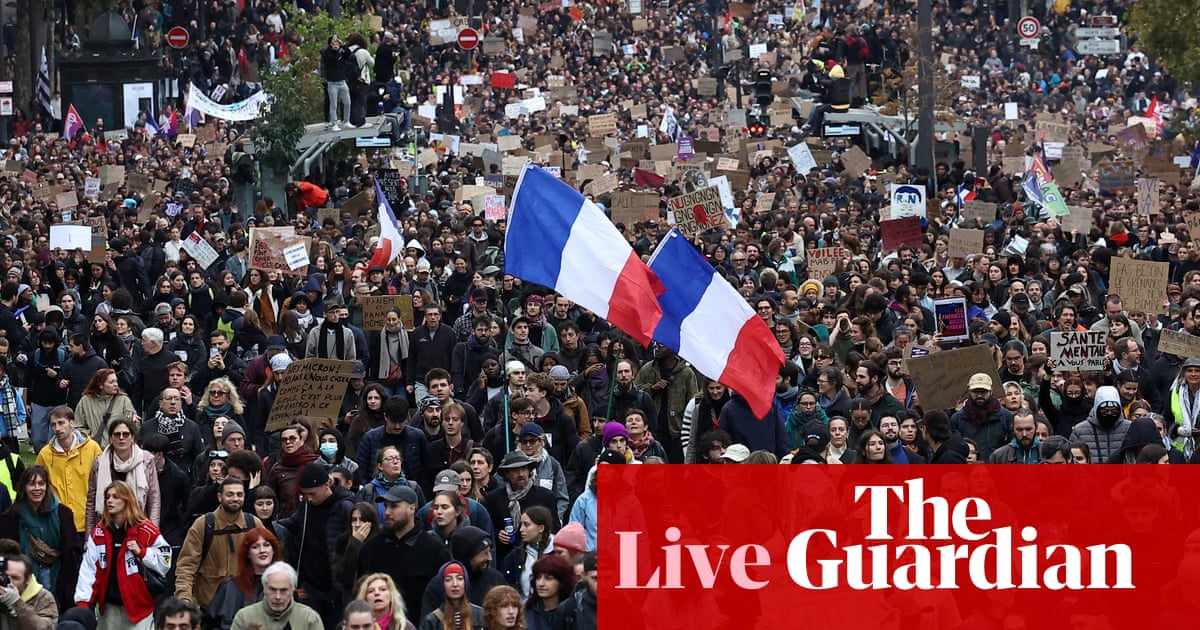
The fatal shooting in Maine comes amid a sharp increase in immigration arrests, renewed protests, and mounting concern over the growing number of people killed during ICE raids and other enforcement operations. The incident has sparked renewed attention on ICE's aggressive tactics and the growing number of deaths during enforcement operations. The crackdown has led to nationwide attention after two US citizens, Alex Pretti and Renee Good, were killed in January during separate immigration crackdowns, triggering large demonstrations and widespread international condemnation.
Key points
- A 26-year-old Colombian man was fatally shot by a US Immigration and Customs Enforcement (ICE) agent in Maine.
- The incident has sparked renewed attention on ICE's aggressive tactics and the growing number of deaths during enforcement operations.
- The Maine Immigrants' Rights Coalition and advocacy group Presente! said the man who was killed had authorization to work in the US.
- ICE has long been responsible for enforcing immigration laws and carrying out deportations, but since Trump returned to office, the administration has taken on a far more visible and aggressive role.
- Civil rights groups and immigrant advocates have condemned operations involving masked federal agents, unmarked vehicles, large workplace raids, and arrests outside immigration courts and public spaces.
The incident may lead to a renewed focus on reforming ICE's tactics and improving the agency's relationship with immigrant communities. This could lead to a more humane and effective approach to immigration enforcement.
The incident may lead to increased tensions between ICE and immigrant communities, potentially resulting in more protests and violence. It could also lead to a further escalation of ICE's aggressive tactics, resulting in more deaths and human rights abuses.