I'd have vetoed foreign sale of UK tech giant, says Business Secretary
Peter Kyle said he would have blocked ARM’s sale to SoftBank and regretted DeepMind’s sale to Google, as he set out plans to keep UK tech firms at home.
Intelligence analysis by GPT-5.4 Mini
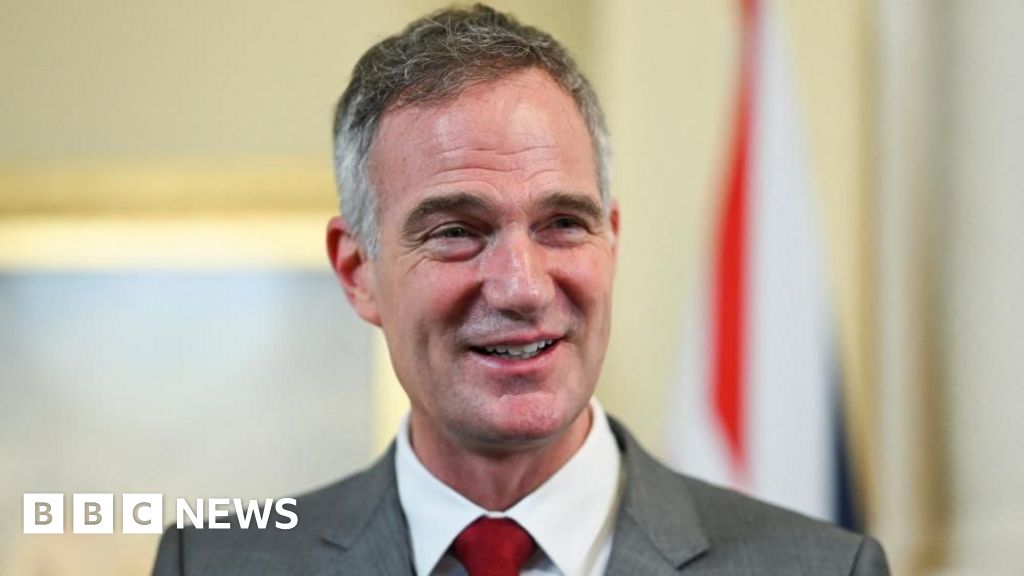
Business Secretary Peter Kyle used London Tech Week to argue the UK should do more to stop promising tech firms leaving for foreign ownership or overseas listings. He said the government wants to create conditions that make companies stay, while also investing public money in selected UK tech groups.
Peter Kyle said Britain should do a better job of keeping its best tech companies at home, like trying to keep a star player on a local team instead of losing them to a bigger club. He thinks companies like ARM and DeepMind made lots of value, but much of the reward went overseas.
Analysis
What Kyle said
Business Secretary Peter Kyle said he would have intervened to block the sale of ARM Holdings to SoftBank if he had been in government at the time. He described ARM as a company that could have become the London Stock Exchange’s biggest firm had it stayed in the UK, and linked that to the government’s goal of building a trillion-dollar-scale company in Britain.
He also said he regretted DeepMind’s acquisition by Google in 2014. His point was not that the company stopped operating in the UK, but that the value created by the business is now flowing elsewhere.
What the government is trying to do
Kyle’s remarks came as the government unveiled measures aimed at helping fast-growing technology firms stay and expand in the UK. He said ministers want to avoid simply blocking deals after the fact. Instead, the aim is to make the UK attractive enough that companies do not want to leave.
The government has also been putting public money into selected tech businesses and funds, including Kraken, Wayve and Playground Global. Kyle framed this as part of a broader willingness to take more risk with taxpayer-backed investment in promising companies.
The trade-offs
Kyle acknowledged that not every sector is in a strong position. He said hospitality is under strain after higher labour costs and national insurance changes, and pointed to a slower phase-in of business rate rises for pubs.
He also said the government faces a choice on AI and innovation: move too slowly out of caution, or move faster and accept that some decisions will be wrong. His preference was to take the second risk, suggesting a policy approach that is more tolerant of failure if it helps the UK compete in tech.
Key points
- Peter Kyle said he would have blocked ARM’s sale to SoftBank had he been in government.
- He said he regretted DeepMind’s acquisition by Google because the wealth created there is going elsewhere.
- The government is announcing steps to help UK tech firms stay, grow and access support.
- Kyle said the aim is to create conditions that make firms want to remain in Britain.
- He also acknowledged pressure on hospitality from higher labour and tax costs.
If the government’s plan works, more fast-growing tech firms could stay based in the UK and raise money there. Public investment and easier support could help create a bigger homegrown tech sector and keep more of the wealth in Britain.
If the UK still cannot offer enough capital, talent and growth opportunities, more companies may continue to sell overseas or list elsewhere. The government’s willingness to take more risk could also backfire if some investments do not pay off or if other sectors feel left behind.