‘If all else fails, sue’: how ultra-processed food firms are using the courts to obstruct health rules
Ultra-processed food companies have filed scores of lawsuits challenging government policies that tackle junk diets, an investigation has found. The lawsuits have delayed the adoption of vital public health policies for years, costing countries billions in legal and healt…
Intelligence analysis by Llama
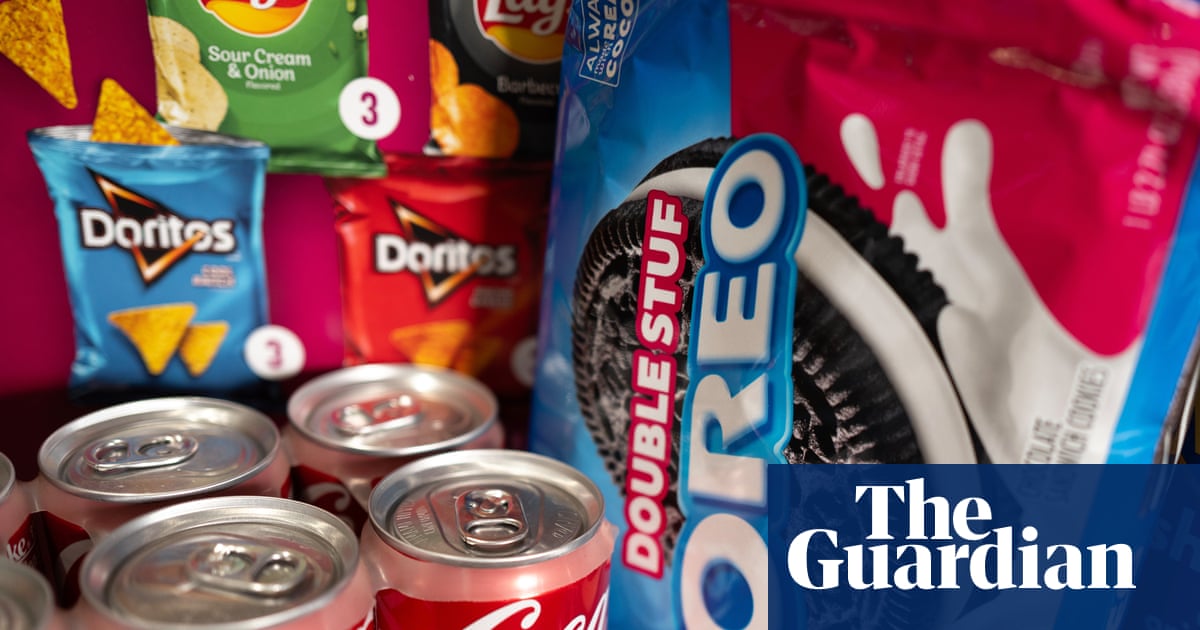
The world's biggest ultra-processed food companies have filed scores of lawsuits challenging government policies that tackle junk diets. The lawsuits have delayed the adoption of vital public health policies for years, costing countries billions in legal and healthcare costs.
Imagine you're trying to make a healthy choice at the grocery store, but the food companies are using the courts to make it harder for you to make that choice. They're suing governments to delay or block policies that would help you make healthier choices. This is like a big game of cat and mouse, where the food companies are trying to outsmart the governments and keep selling unhealthy food.
Analysis
A $60B Vote of Confidence
The world's biggest ultra-processed food companies have filed scores of lawsuits challenging government policies that tackle junk diets. The lawsuits have delayed the adoption of vital public health policies for years, costing countries billions in legal and healthcare costs. The investigation found that 235 lawsuits were lodged over health policies targeting ultra-processed food in Mexico, Colombia, Brazil, the US, and the UK from 2010 to 2025. Three-quarters of the lawsuits were filed by ultra-processed food manufacturers or trade associations representing them. Some of the corporations involved in the legal cases requested courts to withhold their names. Of the cases filed by companies where the plaintiff was identifiable, 38% were brought by eight parent corporations: Coca-Cola, PepsiCo, Mondelēz, Kellogg's, Danone, Ferrero, Xignux, and Heartland Food Products Group. Dozens of cases are ongoing. Of those that have been resolved, three-quarters were lost by the food giants. But the length of some of the legal battles added up to almost 600 years in court. Some of the ultimately unsuccessful lawsuits delayed the adoption of vital public health policies for years, while also tying up government and public health officials in complex and expensive litigation. In the meantime, the lawsuits are prolonging the growing global public health crisis, and costing countries billions in legal and healthcare costs, experts say. While governments are being sued over policies aimed at tackling unhealthy diets, the amount of ultra-processed food consumed continues to expand, contributing to rising cases of obesity, type 2 diabetes, heart disease, mental ill health, and other conditions.
Why the Courts Matter
The tactics mirrored those used by the tobacco industry for decades, said Marion Nestle, a professor of nutrition, food studies, and public health at New York University. "Food companies are well trained. They follow the tobacco industry playbook to the letter. When all else fails, sue." Litigation by tobacco companies is well documented. They have repeatedly sued governments over laws mandating that colorful, branded cigarette packs be replaced with plain ones displaying prominent health warnings, including graphic pictures of rotting teeth, diseased organs, and cancerous tumors. Although the tobacco lawsuits were also mostly unsuccessful, they imposed huge stress, workloads, and costs on governments trying to turn the tide on public health. "The UPF industry appears to be adopting the same strategy," said Phillip Baker, an associate professor at the University of Sydney who studies food systems and the rising global burden of ultra-processed food. "The UPF industry and its affiliates have persistently challenged front-of-pack warning labels, marketing restrictions, and taxation through the courts, concentrated in the years immediately following each policy's adoption. "That courts have upheld public health regulation in the large majority of resolved cases is an encouraging signal. But the continued volume of litigation, the years-long duration of some proceedings, and the opacity surrounding a substantial share of corporate plaintiffs together indicate that litigation functions as much as, if not more to delay, deter, and constrain as to overturn."
Key points
- Ultra-processed food companies have filed scores of lawsuits challenging government policies that tackle junk diets.
- The lawsuits have delayed the adoption of vital public health policies for years, costing countries billions in legal and healthcare costs.
- The investigation found that 235 lawsuits were lodged over health policies targeting ultra-processed food in Mexico, Colombia, Brazil, the US, and the UK from 2010 to 2025.
- Three-quarters of the lawsuits were filed by ultra-processed food manufacturers or trade associations representing them.
- Some of the corporations involved in the legal cases requested courts to withhold their names.
If the courts continue to uphold public health regulations, it's possible that the ultra-processed food industry will eventually adapt and start selling healthier products. This could lead to a decrease in the consumption of unhealthy foods and a reduction in the associated health problems.
The continued use of litigation by ultra-processed food companies could lead to a prolonged delay in the adoption of public health policies, resulting in increased consumption of unhealthy foods and associated health problems.


