If India Wants Stable Ties With Dhaka, It Must Abandon Unilateral Border Tactics
India's unilateral "push-in" tactics at the Bangladesh border, where its forces reportedly herd people into Bangladeshi territory, are undermining fragile diplomatic relations with the new BNP government in Dhaka, despite mutual needs for stability and cooperation.
Intelligence analysis by Gemini 2.5 Flash
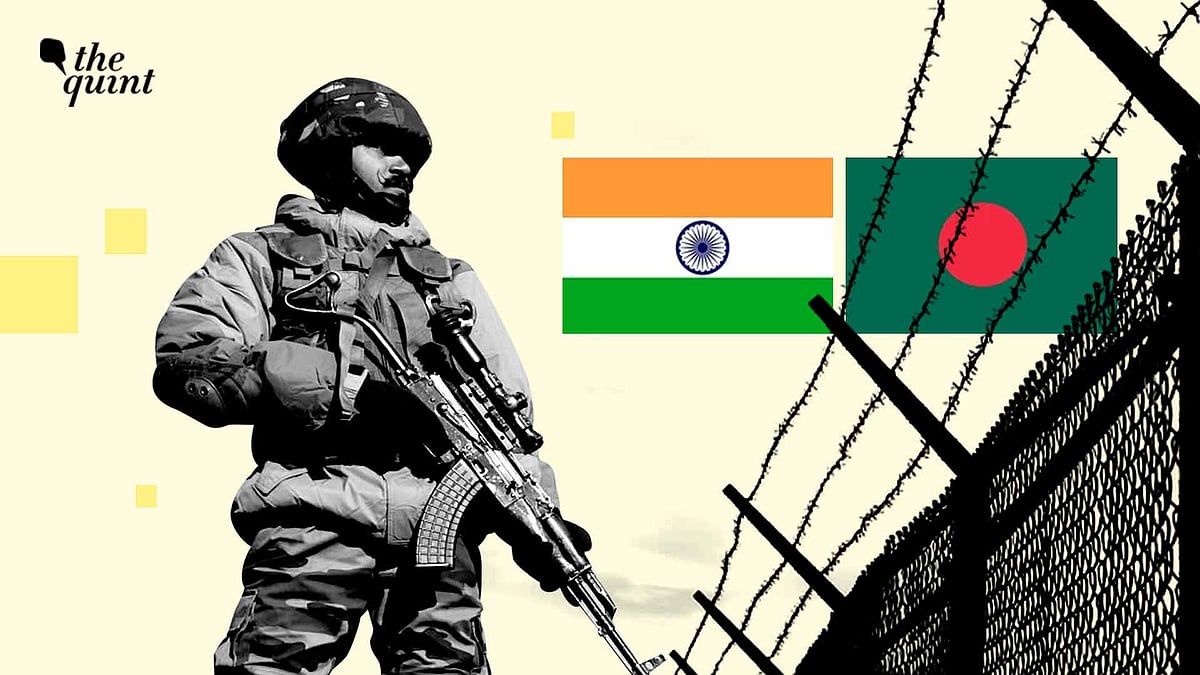
Recent cross-border skirmishes, termed "push-ins" by Bangladesh, involve India's Border Security Force reportedly forcing groups of people, including women and children, across the border. Dhaka views these actions as a challenge to its sovereignty and demographic engineering, while New Delhi maintains it's managing undocumented migration. This escalation is linked to India's domestic…
Imagine two friends who need each other for snacks and games, but one friend keeps pushing people who look different from their side into the other friend's yard. The friend who gets pushed people is upset, saying, "We have rules for this! You can't just push people over!" This makes everyone in the neighborhood think the pushing friend is a bully, even though they usually get along. India and Bangladesh are like these friends, and the pushing is making it hard for them to be good neighbors.
Analysis
Following the fall of Sheikh Hasina’s regime in August 2024 and the subsequent rise of the Bangladesh Nationalist Party (BNP), relations between India and Bangladesh faced a deep freeze. However, a fragile thaw has begun, driven by pragmatic geopolitical compulsions. Despite diplomatic efforts to mend ties, tensions persist at the border due to what Dhaka terms "push-in" attempts by India’s Border Security Force (BSF).
Cross-Border Tensions
The Border Guard Bangladesh (BGB) has reported a surge in these unilateral efforts by the BSF to move groups of people into Bangladeshi territory. The article states that in one 24-hour period, the BGB blocked 10 such attempts. Thousands of individuals, including Indian nationals, have reportedly been forced into Bangladesh since mid-2025. India, on the other hand, claims it is managing undocumented migration through legal channels, referring suspected Bangladeshis to Dhaka for nationality verification. However, the author argues that the reality on the ground suggests that "political expediency is outpacing diplomatic due process."
India's Domestic Politics
These "push-ins" are linked to India's domestic political landscape, particularly the ruling Bharatiya Janata Party’s (BJP) anti-immigration stance. The BJP, after its electoral success in West Bengal, where immigration from Bangladesh is a contentious issue, is under pressure to show action on its promises to curb illegal immigration. The article suggests that the spike in border expulsions appears to be "performance art for a domestic audience," rather than routine immigration enforcement. This domestic political agenda is clashing with India’s foreign policy goals in the region.
Undermining Regional Diplomacy
The collapse of the Awami League government meant India lost a reliable partner in South Asia, leading to suspicion towards the new BNP administration. While both nations acknowledge their codependency—India needs Bangladesh for transit and stability, and Bangladesh needs India for trade and resources—the border actions undermine this fragile reconciliation. Reports of uncoordinated "push-ins" in the Bangladeshi press foster "virulent anti-India sentiment" and reinforce the perception of India as an overbearing hegemon. Dhaka's official position is that India should use established bilateral mechanisms for verification and repatriation of illegal migrants, rather than undocumented dumping, which it considers a challenge to its sovereignty. The article concludes that India must recognize the changed political landscape in Bangladesh, now under a more nationalistic BNP government.
Key points
- India's BSF is reportedly undertaking "push-in" attempts, moving people into Bangladesh, leading to diplomatic tension.
- Bangladesh views these actions as a challenge to its sovereignty and demographic engineering.
- India states it is managing undocumented migration through legal channels, but on-the-ground actions suggest political expediency.
- The "push-ins" are linked to India's domestic anti-immigrant politics, particularly the BJP's focus on West Bengal.
- These actions are undermining a necessary reconciliation between India and the new BNP government in Bangladesh, despite mutual codependency.
If both India and Bangladesh commit to established bilateral mechanisms for managing migration, it could lead to a more stable and trusting relationship. This would allow for better cooperation on trade, transit, and regional stability, benefiting both nations economically and politically. A pragmatic approach based on mutual respect for sovereignty could strengthen their codependent relationship.
Continued unilateral actions by India at the border could further escalate anti-India sentiment in Bangladesh, making diplomatic reconciliation increasingly difficult. This friction could undermine crucial trade and transit agreements, potentially leading to greater regional instability and a breakdown of essential cooperation on shared resources like water.