‘If it’s made in the US, I don’t buy it’: Canadians on boycotting Trump’s America
Canadians are widely boycotting US goods and services, from groceries to streaming, in response to former President Trump's trade war and tariffs, despite increased personal costs.
Intelligence analysis by Gemini 2.5 Flash
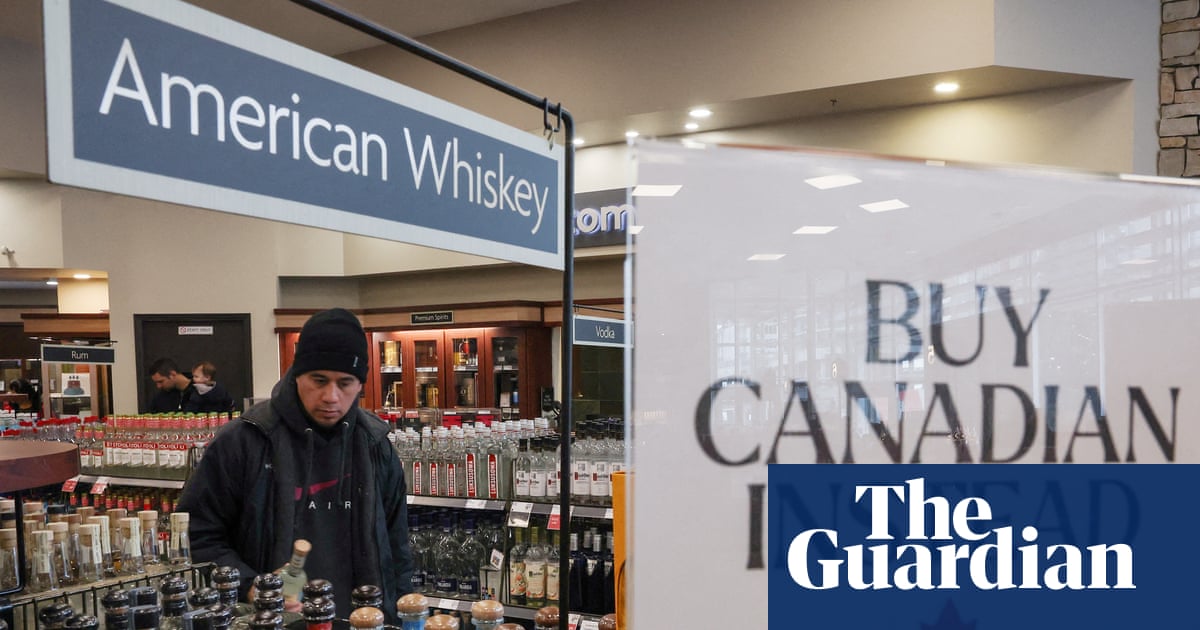
A widespread consumer boycott of American products and services has taken root across Canada, driven by deep animosity towards the US administration's trade policies and tariffs. Many Canadians, like diesel mechanic William McDonald, are actively choosing Canadian alternatives, even if it means higher weekly expenses, viewing it as a stand against perceived bullying and a way to uphol…
Imagine two friends, Canada and America, usually play nicely together and share their toys. But then America's leader starts saying mean things and charging extra for Canada's toys. So, many Canadians get upset and decide to only buy toys made in Canada or from other friends, even if they cost a little more. They're showing they don't like how America is acting, hoping it will make America's leader think twice.
Analysis
The article details a significant and growing consumer boycott of American goods and services across Canada, a direct response to the trade policies and rhetoric of the former US administration. This movement, often encapsulated by acronyms like ABUS (Anything but US) or ABUSA (Anywhere but USA) and the slogan “Elbows Up!”, signifies a profound shift in Canadian consumer preferences and national sentiment. The boycott extends across various sectors, from everyday groceries and alcohol to technology, streaming services, and even air travel, compelling many Canadians to actively seek out domestic or non-US alternatives.
William McDonald
Individual Canadians are making tangible sacrifices to participate in this boycott. William McDonald, a diesel mechanic from Thunder Bay, Ontario, exemplifies this commitment, stating that "Canadian is always the first choice," even if it elevates his weekly expenses. He began boycotting US goods immediately after tariffs were imposed, accepting an extra C$1,000 annually for Canadian beer and C$50 more per week for groceries. McDonald views this as a principled stand against what he perceives as the US president's "schoolyard bully" tactics, underscoring the emotional and value-driven motivations behind the economic decisions of ordinary citizens.
This personal financial impact, willingly absorbed by consumers like McDonald, illustrates the depth of conviction driving the boycott. It suggests that for many, the perceived slight to national dignity and economic sovereignty outweighs the immediate financial convenience of purchasing cheaper or more readily available American products. The collective action of thousands of individuals, as highlighted by the Guardian's online callout, indicates a broad-based, grassroots movement rather than a niche protest, reflecting a widespread sentiment across the Canadian populace.
50% Tariffs
The boycott gained further momentum following the US imposition of 50% tariffs on US$20bn of Canadian goods, which Prime Minister Mark Carney vowed to match "dollar for dollar." This escalation, coupled with the former US president's provocative actions like ordering the renaming of Lake Ontario to Lake America, has intensified Canadian resolve. The collapse of trade talks between the two nations further solidified the perception among Canadians that their northern neighbor was being unfairly targeted, fueling the desire for economic retaliation through consumer choices.
This governmental response and the broader geopolitical context provide a crucial backdrop to the consumer actions. The tit-for-tat tariff imposition signals a breakdown in traditional trade relations, directly impacting the cost and availability of goods. For consumers, the government's stance validates their personal boycotts, transforming individual purchasing decisions into acts of national solidarity. The economic implications of such widespread boycotts, combined with official tariffs, could lead to significant reconfigurations of supply chains and trade partnerships for both nations.
Elizabeth Lorenz
The long-term implications of this boycott extend beyond immediate economic shifts, potentially reshaping the fundamental relationship between the US and Canada. Elizabeth Lorenz, a retired teacher, exemplifies the dedication to avoiding US products, even changing recipes to accommodate a lack of certain ingredients and planting her own vegetables to avoid American-grown produce. Her decision to prioritize her "outrage at America’s greed and corruption" over environmental concerns related to importing produce from further afield highlights the profound emotional and ideological underpinnings of the movement.
Many, like Jane, a 54-year-old teacher, believe the relationship between the two countries has been "permanently tarnished," indicating a potential lasting shift in consumer loyalty and travel patterns. Jane's choice to vacation in Mexico or Europe instead of the US, and to drive four hours to Toronto for events she previously attended an hour away in Detroit, demonstrates a conscious and sustained effort to divest from the American economy. This suggests that even if political tensions ease, the habits and preferences formed during this period of animosity may endure, leading to a sustained reorientation of Canadian consumer behavior and a more diversified economic engagement with other global partners.
Key points
- Canadians are widely boycotting US goods and services in response to former President Trump's trade war and tariffs.
- The boycott, known as ABUS or ABUSA, includes groceries, alcohol, technology, streaming, and travel, despite increasing personal costs for consumers.
- The movement intensified after the US imposed 50% tariffs on Canadian goods, which Canada's Prime Minister vowed to match.
- Many Canadians express deep anger and believe the US-Canada relationship has been permanently damaged.
- Consumers are actively seeking Canadian or non-US alternatives, using apps and online forums to guide their purchasing decisions.
The widespread boycott could significantly bolster Canadian domestic industries and businesses, fostering greater self-sufficiency and economic resilience. This shift in consumer preference might encourage local production and innovation, creating new jobs and strengthening Canada's internal market.
The boycott, while driven by national sentiment, could lead to higher costs for Canadian consumers due to reduced competition and potentially less efficient domestic supply chains. It also risks further escalating trade tensions and permanently damaging the long-standing economic relationship between the US and Canada, impacting future cooperation.