If you bill it, they will come: FIFA wins battle for fans' wallets in pricey World Cup
Fans paid up for FIFA's most expensive World Cup yet, with attendance holding strong despite steep ticket prices. The tournament's packed stands suggest the governing body priced demand better than critics expected.
Intelligence analysis by GPT-5.4 Mini
FIFA’s World Cup pricing experiment appears to have worked, with fans swallowing high ticket costs and most matches filling up. The article says the result eased early fears that visa issues, unrest in the US, and pricey tickets would dull demand.
FIFA tried charging very high prices for World Cup tickets, and many fans still bought them. It is like a toy store raising prices on a popular toy and finding out people still line up to buy it anyway.
Analysis
FIFA’s Price Test Worked
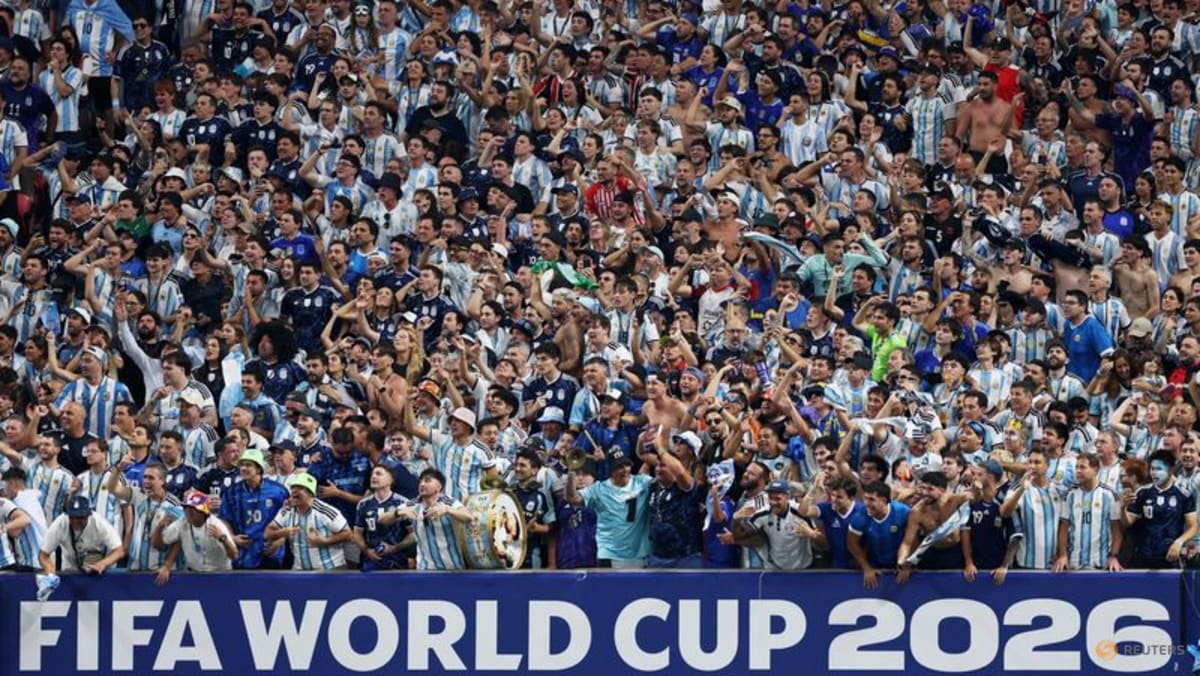
FIFA appears to have found the ceiling for football fandom, and the ceiling was higher than many expected. The article says more than half of the 72 group matches reached capacity, while preliminary-stage attendance hit 99.7 per cent of available seats. That is a strong outcome for an event that began with serious doubts about whether fans would tolerate such aggressive pricing.
The key point is not just that the matches were popular, but that the pricing model did not break demand. Reuters quoted a ticketing expert saying people were paying "absurd prices" for almost all of the 104 matches, which suggests the market absorbed the shock rather than rejecting it. For FIFA, that is a validation of scarcity as a revenue strategy.
The Mechanics Behind "Sold Out"
The article points to dynamic pricing as a major reason the tournament’s ticket story was so unusual. Initial group-stage prices reportedly started at $575, but many buyers ended up paying far more as prices adjusted with demand. By the end, even the final still had tickets listed on FIFA’s platform at very high levels, which fed the impression that the event had become a luxury product.
A ticketing expert in the piece argues that some of the remaining inventory may have reflected "slow ticketing," where organisers hold back seats to create the appearance of scarcity. Whether or not that was the case here, the effect is the same: buyers were nudged toward purchasing quickly. That kind of psychology matters because it turns live sport into a controlled marketplace, not just a one-time sales window.
What This Means For The Next Mega-Event
The broader lesson is that the biggest global sports brands may be able to push prices much higher than conventional wisdom says. FIFA benefited from the World Cup’s unmatched global appeal and from the expanded 48-team format, which likely widened interest across more fan bases. Even worries about visa restrictions and domestic unrest in the United States did not stop the tournament from drawing strong crowds.
That does not mean the model is risk-free. The article also notes empty seats in Guadalajara early in the tournament, which shows that pricing can still misfire in specific markets or matches. If FIFA and other organisers keep leaning on premium pricing, they may keep winning financially, but they also risk turning elite events into something many ordinary fans can only watch from home.
Key points
- More than half of the World Cup's group matches were attended to capacity, according to the article.
- FIFA's dynamic pricing helped push many ticket prices well above the initial levels.
- The tournament faced early fears about visa restrictions, unrest in the US, and empty seats.
- A ticketing expert said FIFA set prices high and still found buyers for most matches.
- The final still had very expensive tickets listed near the end of sales.
If this demand holds, FIFA could keep earning more from future tournaments without losing too many fans in the stands. Strong attendance also helps support the idea that big events can use pricing to raise revenue while still filling venues.
The model could backfire if fans decide prices have gone too far and stop buying in less popular matches or smaller markets. Empty seats like those seen early in Guadalajara suggest the ceiling is not uniform, and poor pricing could leave some venues looking half full.