Illegal mini-marts to shut for up to 12 months under law change prompted by BBC
The government will let authorities shut illegal mini-marts, barbers and vape shops for up to a year, doubling current closure powers.
Intelligence analysis by GPT-5.4 Mini
The BBC says its reporting on organised crime in British high streets helped prompt a government plan to extend closure orders from three months to 12. Ministers say the longer shutdowns will help investigators build cases and stop rogue operators reopening and carrying on illegal trade.
The government wants a stronger lock for bad shops. Instead of only closing them for a short time, officials could shut them for up to a year, like putting a broken toy away so it cannot be used again right away.
Analysis
What changed
The government plans to give authorities stronger powers to close illegal mini-marts, barbers and vape shops for as long as 12 months. Under current rules in England and Wales, closures are limited to three months, with a possible extension to six months through anti-social behaviour legislation.
Why ministers say they are doing it
Home Secretary Shabana Mahmood tied the move to public anger about “organised crime” and “open criminality” on the high street. The Home Office says longer closures would give investigators more time to collect evidence, pursue prosecutions and identify the real owners of businesses, while preventing operators from reopening quickly and resuming illegal activity.
What the BBC reported
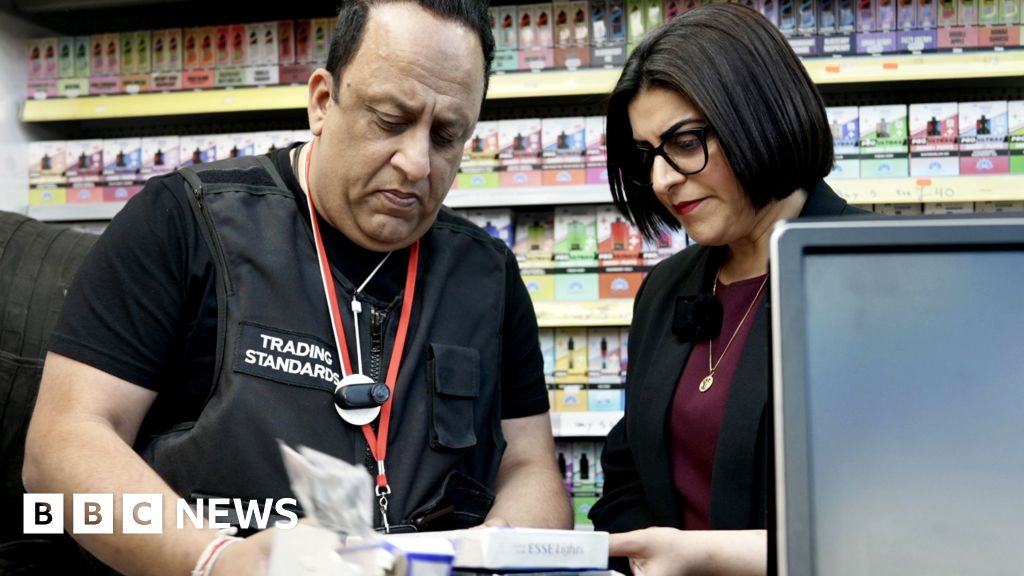
BBC News says it spent 14 months reporting on organised crime linked to shops on British high streets. The investigation described illegal cigarettes, vapes and drugs, plus alleged money laundering and immigration crime. In Birmingham, the BBC joined police and Trading Standards officers on raids in Handsworth and saw illegal cigarettes and snuff found in a mini-mart; a worker was arrested after a makeshift weapon was discovered under the counter.
The article says officers also found shops selling prescription drugs and illegal drugs, and that undercover reporting found counterfeit cigarette packs sold for a fraction of the price of genuine ones. Trading Standards leaders welcomed the plan, saying closure orders are a key enforcement tool and that the profession broadly supports the change.
The bigger picture
The policy aims to make closure orders more painful for rogue operators and less easy to shrug off by simply waiting them out. It also shifts pressure onto landlords to check more carefully who they rent to, which could raise the cost of doing business for shops linked to criminal activity.
Key points
- The UK government plans to let authorities close illegal mini-marts, barbers and vape shops for up to 12 months.
- Current closure powers in England and Wales are much shorter, with a maximum of three months and limited extensions.
- The Home Office says longer closures would help investigators gather evidence and stop shops quickly reopening.
- Trading Standards leaders welcomed the plan and said closure orders are an important enforcement tool.
- BBC reporting on organised crime in British high streets was cited as a prompt for the law change.
If the new powers are used well, they could keep illegal shops closed long enough for police and Trading Standards to build stronger cases. That may also push landlords to screen tenants more carefully and make high streets feel safer for local businesses and customers.
If enforcement is uneven, rogue operators could still reopen under new names or move their activity elsewhere. The article also suggests the problem is tied to wider organised crime, so closure powers alone may not be enough without sustained investigations and prosecutions.