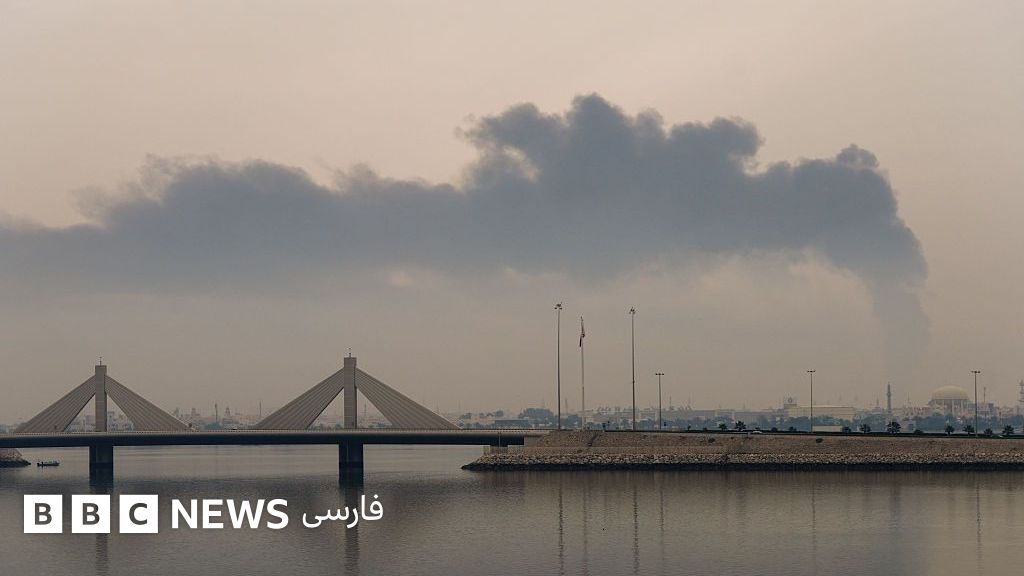
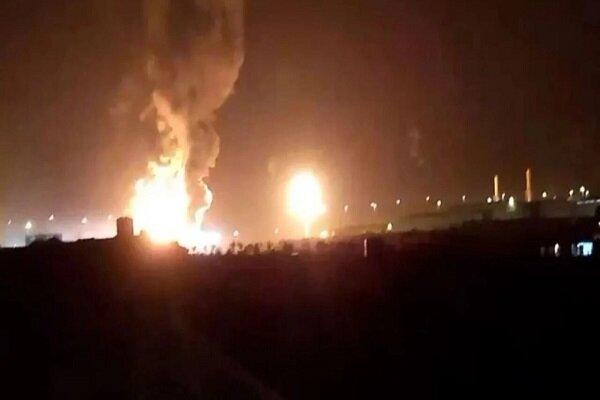
Illusion of victory: Trump threatens Iran after Netanyahu meeting as empty US arsenal exposes limits
US President Donald Trump is attempting to project a fabricated sense of victory over Iran in the wake of his high-stakes talks with Israeli Prime Minister Benjamin Netanyahu in Washington. The White House meeting on Tuesday marked the first face-to-face sit-down between …
Intelligence analysis by Llama
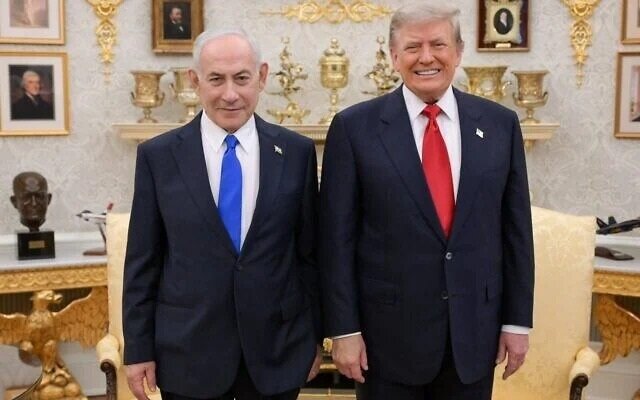
US President Donald Trump is attempting to project a fabricated sense of victory over Iran after his high-stakes talks with Israeli Prime Minister Benjamin Netanyahu in Washington. The meeting came at a critical juncture, as both the American president and the Israeli premier face escalating domestic outrage and political fallout stemming from the protracted conflict.
Imagine a big country called Iran that has a strong army and a lot of friends. The US and Israel wanted to fight Iran, but they didn't think it would be so hard. Now, the US is running out of bullets and is getting hurt. Iran is still strong and is fighting back.
Analysis
A $60B Vote of Confidence
The US's military campaign against Iran has been marked by a series of catastrophic miscalculations. The initial objective of dismantling Iran's defense capabilities and forcing a regime change aligned with Western interests has proven to be a catastrophic failure. The US's reliance on unilateral military force has been exposed as a flawed strategy, and the country's weapons inventories have been severely depleted.
Why Cursor?
Despite the obvious escalation, Trump publicly described the Iranian retaliatory strike in Jordan as a 'surprise attack' while simultaneously issuing threats of heavy retaliation. This rhetoric reveals an administration trapped between the harsh realities of military exhaustion and the political imperative of projecting power.
The Road Ahead
The severe strain on US weapons inventories highlights an ideological blind spot in Western defense planning. Years of hardware deployment across multiple global theaters have left American supply chains ill-equipped for sustained, high-intensity conflict. The US's campaign against Iran has exposed the fundamental flaw in Washington's regional calculus, and the country's military exhaustion has triggered severe disruptions in global energy supplies.
Key points
- US President Donald Trump is attempting to project a fabricated sense of victory over Iran after his high-stakes talks with Israeli Prime Minister Benjamin Netanyahu in Washington.
- The US's military campaign against Iran has been marked by a series of catastrophic miscalculations.
- The US's reliance on unilateral military force has been exposed as a flawed strategy.
- The country's weapons inventories have been severely depleted.
- The US's campaign against Iran has exposed the fundamental flaw in Washington's regional calculus.
If the US and Iran can negotiate a peaceful resolution to their conflict, it could lead to a significant reduction in global energy prices and a decrease in the cost-of-living crisis in the US. This could also lead to a boost in Trump's approval ratings and a more stable domestic politics in the US.
If the US and Iran continue to escalate their conflict, it could lead to a full-scale war in the Middle East, resulting in significant human casualties and widespread destruction. This could also lead to a sharp increase in global energy prices and a further decline in the US's economic stability.