‘I’m down to one option’: bank customers left frustrated by latest closures
Lloyds closures and app outages are leaving some UK customers with fewer ways to bank, while many still want face-to-face branches.
Intelligence analysis by GPT-5.4 Mini

The Guardian says UK bank branch closures continue to strip away local access just as apps and online banking remain unreliable for some customers. Older people and small businesses in Surrey say they are being pushed toward a system they do not trust or cannot easily use.
Bank branches are like the front desk of money handling. In this story, many of those desks are closing, and not everyone likes using phone apps instead. Some people feel stuck with fewer choices, like having one shop left in a town.
Analysis
What happened
The article focuses on the closure of a Lloyds branch in Staines, Surrey, and on the broader pace of bank branch losses across the UK. On the day the branch closed, Lloyds was also dealing with an IT outage that left some customers unable to send money or make payments, undercutting the message that mobile banking can simply replace local branches.
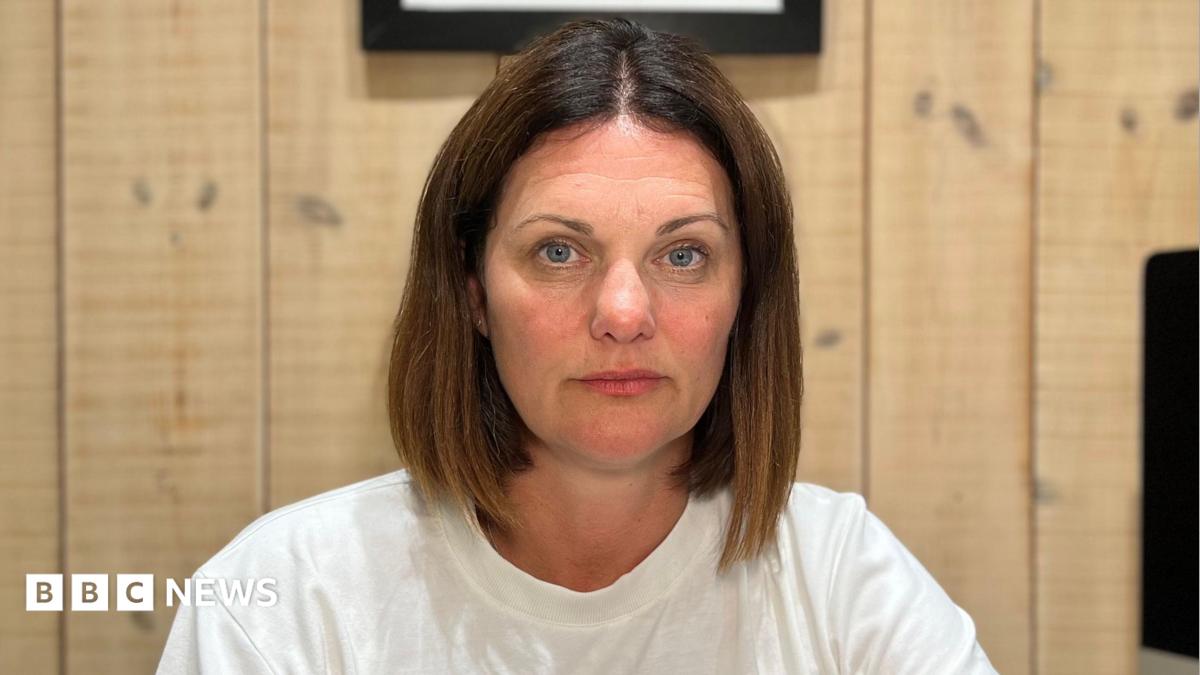
The paper uses Patricia Payne, 78, as a case study of why the shift is hard for many people. She travels by bus from Chertsey to Staines to reach a bank, says online banking is difficult, and describes herself as relying on branches for withdrawals and help with transactions. The article also quotes local small-business owner Radhe Mali, who says bank closures are a problem for traders like him.
The wider picture
The story places the closure in a national context: around 7,000 UK branches have shut since 2015, according to the article, and Which? says 6,795 branches have closed since January 2015, equal to 69% of the branches open at the start of that year. Lloyds and Santander are both continuing to announce new rounds of closures. Lloyds says customers now have more ways to manage money, including branches of its sister brands, post offices and PayPoint locations.
The government has responded by launching an independent review into access to face-to-face banking. The review will look at who is most affected and what further action may be needed. A YouGov poll cited in the article found that 76% of Britons say having a local bank branch matters to them. The piece also points to banking hubs as one possible replacement, but notes that they are opening more slowly than branches are disappearing.
Key points
- Lloyds closed a branch in Staines while its mobile app was affected by an IT outage.
- The article says many customers still want or need face-to-face banking, especially older people and small businesses.
- Which? says 6,795 UK bank branch closures have happened since January 2015.
- The UK government has launched a review into access to face-to-face banking.
- Banking hubs are presented as a partial fix, but they are expanding more slowly than branches are closing.
The government review could lead to stronger protection for people who still need in-person banking. Banking hubs and shared local services may help fill gaps where branches have closed, giving customers a place to withdraw cash and handle routine tasks.
If closures keep outpacing replacements, more towns could lose their last convenient branch and push vulnerable customers farther from essential services. App outages or poor digital skills would leave some people with even fewer workable options when they need to move money or get help.